

7628 Fiberglass Cloth for Copper Clad Laminate: What CCL Makers Actually Care About
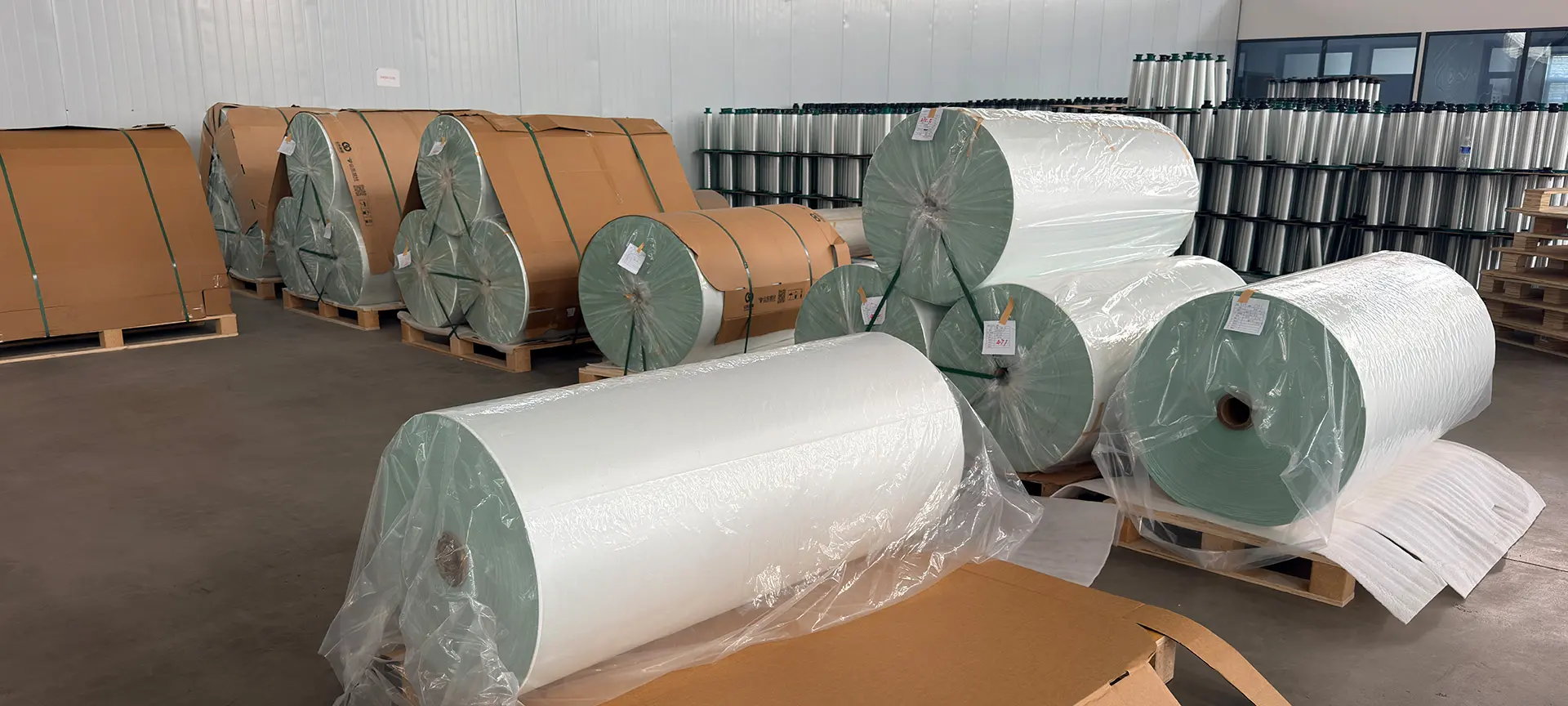
Most of my life I sold glass to people who lay it up with resin and make boats and tanks and panels. Electronics cloth is a different animal. When a buyer asks me for 7628 fiberglass cloth for copper clad laminate, I put on a different hat, because the stuff that matters in a CCL plant has almost nothing to do with what matters on a FRP shop floor. I learned that the hard way, back around 2004, when I shipped a perfectly good boat-grade 7628 to a laminate maker and got the whole roll rejected. Perfectly good for a boat. Garbage for a circuit board.
Let me explain what 7628 fiberglass cloth is, and then let me tell you why most suppliers get it wrong when they quote CCL buyers.
The 7628 everyone quotes and nobody checks
7628 is the workhorse of the FR-4 world. Plain weave, E-glass, roughly 200 grams per square meter, six ounces in the old money. Ask any laminator what fabric is in their standard single-sided and double-sided board and odds are it’s 7628, maybe doubled up with a 2116 or a 1080 on either side for thinner builds. It’s been that way for forty years. The designation is old, the style is old, and honestly the weave hasn’t changed much either.
Here’s what surprises people. Two rolls can both say 7628 on the ticket, both pass a basic visual, and one of them will run beautifully on a treater line while the other gives the shift foreman a headache by Tuesday. The difference isn’t in the style number. It’s in everything the style number doesn’t say.
Thickness is the whole game
The single biggest thing a CCL maker measures is thickness, and thickness uniformity. I want you to sit with that for a second. A composite tank guy cares about wet-out and drape. A lamination engineer cares whether the cloth is 0.173 mm at one edge of the roll and 0.181 mm in the middle, because that variation shows up in the laminate’s thickness tolerance, and thickness tolerance in the laminate shows up in impedance, and impedance is the thing their customer, the PCB shop, will scream about. Not maybe. Will.
“I had a customer in Guangdong… Their rolls they’d been buying from a trading company were averaging fine but wandering plus or minus 8% across the width. We switched them to cloth with a proper thickness CV, held under 3%, and the complaints just stopped.”
When you buy 7628 fiberglass cloth for copper clad laminate, ask for the thickness coefficient of variation, not just the nominal thickness. If the supplier doesn’t know what a CV is, that’s your answer right there.
The finish on the yarn matters more than the weave
Second thing, and this is the one that separates electronic grade from everything else. The sizing. That’s the chemical coating put on the filaments before weaving so they survive the loom. For general industrial cloth, the sizing just has to hold the yarn together and let resin wet it out eventually. For CCL, the sizing has to do something much more annoying. It has to burn off or couple cleanly in the treater, it has to be compatible with the epoxy or the polyimide or whatever resin system the laminator runs, and it has to not leave ionic contamination behind, because ionic contamination in a laminate is how you get leakage currents and how you get boards that fail a CAF test in the field three years later.
The point is simple. 7628 fiberglass cloth destined for copper clad laminate needs a finish engineered for the resin system. If your supplier sells the same roll to a surfboard shop and a CCL plant, one of those two customers is getting the wrong product and I’d bet on the laminate maker being the one.
Weave quality you can see and weave quality you can’t
Slubs, broken picks, fuzzy spots. You can see those and any decent mill sorts them out. The problem is what you can’t see easily: skew and bow, the way the fill yarns wander off square. In a laminate, skew shows up as the glass pattern being rotated relative to the board, and on fine-pitch boards that rotation matters because the copper is etched against a grid and the glass underneath isn’t where the designer’s software assumed it was.
Ask for the bow and skew numbers in the spec sheet. Real numbers, measured, not “complies with IPC.” IPC-4412 has a standard for electronic grade glass fabric and any cloth that goes into CCL should be certified to it, but certification is a floor, not a ceiling.
Moisture and packaging, the boring killer
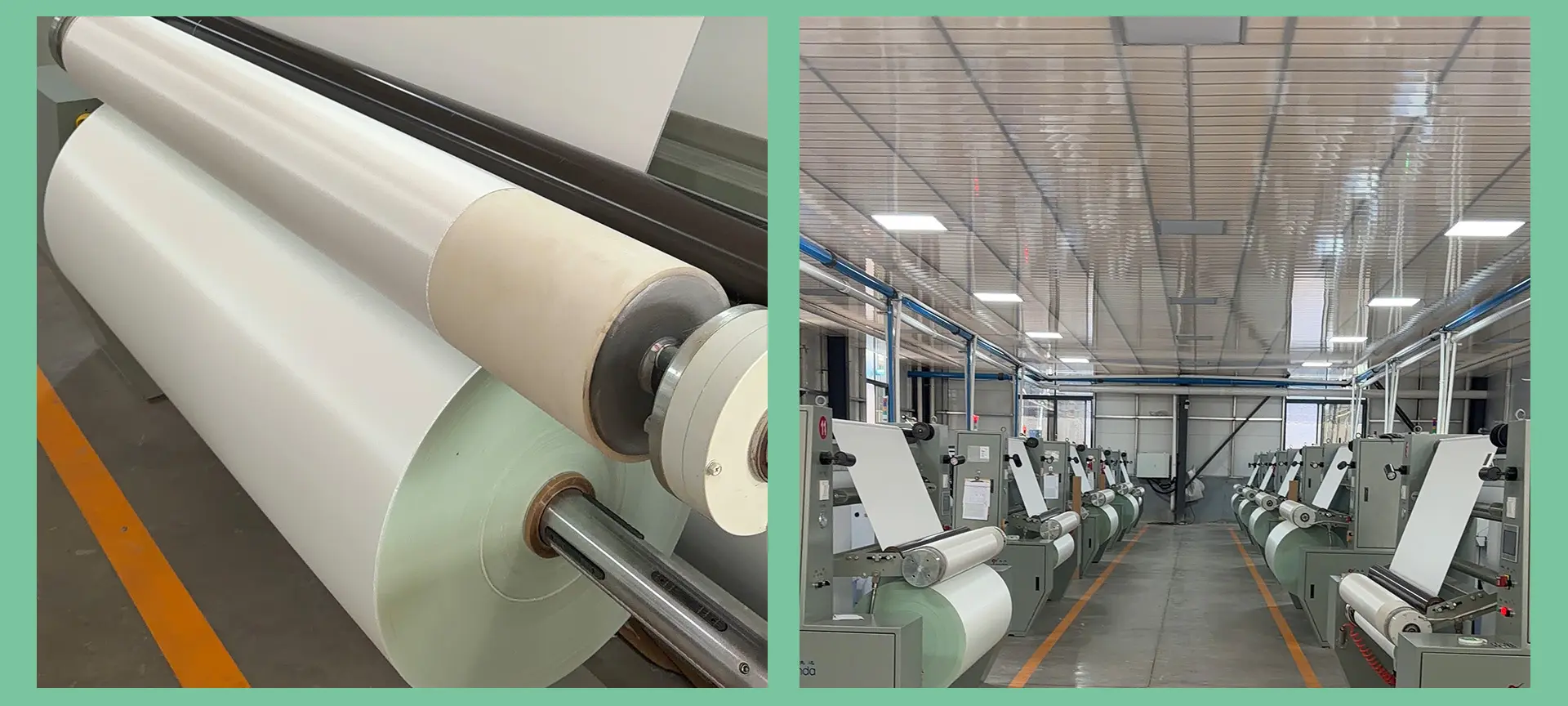
Glass fabric picks up moisture. Not a lot, but enough, and in winter when a roll comes out of a cold container into a warm treater room, condensation settles on it. Wet cloth going into a treater is a recipe for streaks, for poor resin pickup, for bubbles in the prepreg that the X-ray inspection catches.
We ship 7628 fiberglass cloth for CCL in sealed PE with desiccant, every roll, no exceptions.
What I’d actually ask a supplier
- ● Ask what resin system the finish is built for, and whether they’ll certify compatibility with yours.
- ● Ask for the thickness CV across the full roll width, not a single-point average.
- ● Ask for bow and skew to IPC-4412 limits with actual test data.
- ● Ask how they handle a claim. Ask them to describe the last claim they actually paid.
The bottom of it
Copper clad laminate buyers get treated like FRP buyers by suppliers who don’t know the difference, and the product suffers. 7628 fiberglass cloth for CCL is its own discipline: thickness uniformity you can measure, a finish chemistry matched to the resin, weave geometry held to electronic standards, and packaging treated like it matters, because it does.
We supply all of it, and we’ll argue with you about the sizing if your resin system is unusual, because I’d rather have that argument before the PO than after your press run. Send me your resin system and your thickness window and I’ll tell you straight whether our cloth fits or whether you should buy from someone else.
Post time: Nov-26-2026


