

Introduction: Why Modern Nurseries are Switching to Fiberglass
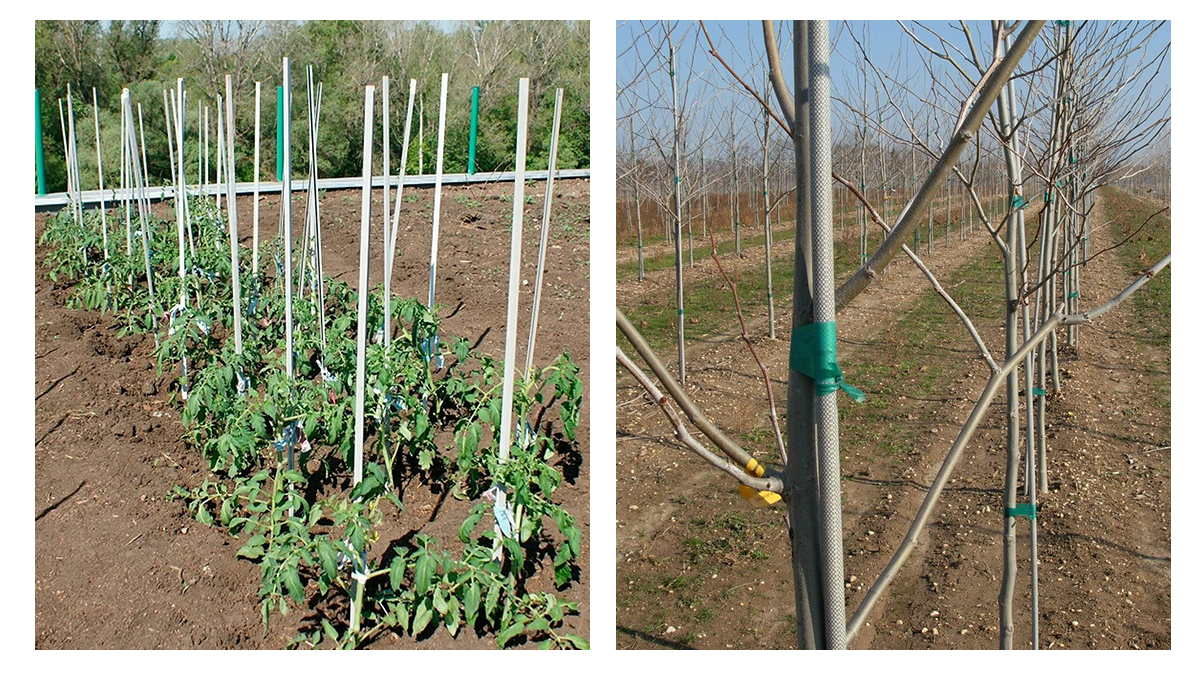
In the competitive world of large-scale horticulture, efficiency and plant health are the twin pillars of profitability. Traditional staking materials—bamboo, wood, and steel—have long been the “standard,” but they bring hidden costs: rotting, snapping under wind load, or rusting.
Enter fiberglass nursery stakes. Engineered for resilience and longevity, these composite supports have revolutionized how large tree farms manage growth. If you are looking to streamline production, reducing the frequency of stake replacement is the fastest way to lower overhead.
In this guide, we explore why fiberglass stakes are the superior choice for professional growers and how choosing the right specifications—from 1/2 inch fiberglass tree stakes to 10 ft fiberglass tree stakes—can protect your investment.
1. The Engineering Truth: Why Fiberglass Isn’t Just “Plastic”
In the high-stakes world of large-scale nurseries, a stake isn’t just a stick—it’s an insurance policy. While many growers start with bamboo or wood because they’re cheap upfront, experienced operators know those materials are liability magnets.
Fiberglass nursery stakes are high-performance composites born from pultrusion. Their secret sauce? “Flexible memory.” When a storm hits, a fiberglass stake flexes with the wind and snaps right back to center. Steel stays bent, and wood simply snaps. By using fibreglass stakes, you aren’t just bracing a plant; you’re training the trunk to handle real-world stress without the risk of a “snap-off” mid-season.
2. Choosing the Right Size for Your Crop
Size matters when you are managing thousands of units. Selecting the wrong diameter or length can lead to wasted capital or inadequate support.
Common Diameters and Applications
1/4 fiberglass stakes: Best for small seedlings, vines, or as fiberglass tomato stakes in a greenhouse setting.
3/8 fiberglass tree stakes: A versatile mid-range option for shrubs and young saplings.
1/2 inch fiberglass tree stakes: The industry “sweet spot” for most commercial tree species, providing enough rigidity for growth while maintaining flexibility.
3/4 fiberglass tree stakes (34 inch fiberglass tree stake): Heavy-duty support for larger ornamental trees or high-wind areas.
Essential Lengths for Professional Growers
For large-scale tree farming, height is critical to guide the leader and prevent leaning.
6 foot fiberglass tree stakes: Ideal for standard shrubs and smaller landscape trees.
8 ft fiberglass tree stakes (8 foot fiberglass stakes): The most common choice for fast-growing hardwoods.
10 ft fiberglass tree stakes: Necessary for tall-growing species and ensuring straight trunks in high-value nursery stock.
3. Utility Beyond the Treeline: Fencing and Food Crops
On a massive farm, your needs change by the acre. Fiberglass isn’t just for your prize maples; it’s a versatile multi-tool for your daily operations.
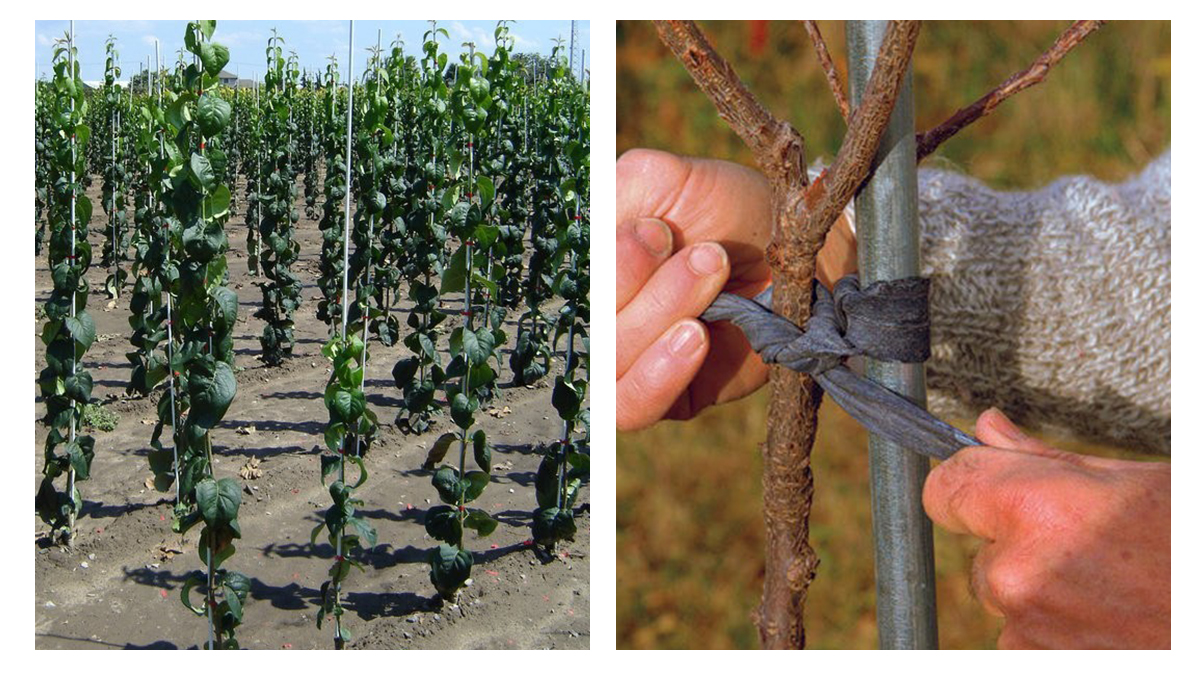
Electric Fencing Without the Shorts If you’re running temporary boundary lines or electric fencing, stop lugging heavy steel T-posts around. Fiberglass fence stakes are a dream for the crew—they’re incredibly lightweight and, more importantly, naturally non-conductive. You won’t be chasing down mysterious “shorts” in the line because a post leaked current into the ground. It’s a cleaner, faster way to manage your perimeters.
Biosecurity: Why Bamboo is a Bio-Hazard (and Fiberglass isn’t)
In a high-stakes vegetable block, hygiene isn’t just a “nice to have”—it’s your bottom line. Let’s be real: bamboo and wood? They’re basically sponges for every mold and pathogen under the sun. Once a wood stake gets funky, it’s a breeding ground for pests that’ll ruin your whole week.
That’s where fiberglass garden poles come in. They’re essentially bulletproof when it comes to biosecurity. They don’t rot, they don’t harbor “last year’s headaches,” and they don’t play host to the bugs that want to eat your profits.
If you’re running a tight, organic-leaning operation, switching to a fiberglass plant support stake isn’t just about getting a straight row. It’s about keeping your site clean. Period. You’re not just buying a support; you’re building a firewall around your crop.
4. Economic Impact: The Value of Bulk Fiberglass Stakes
When purchasing for a large farm, the “sticker price” of wood is often lower than bulk fiberglass stakes. However, the Total Cost of Ownership (TCO) tells a different story.
|
Feature |
Wood/Bamboo |
Steel |
Fiberglass |
|
Lifespan |
1–2 Seasons |
3–5 Years (Rusts) |
20+ Years |
|
Maintenance |
High (Frequent Replacement) |
Medium |
Low |
|
Installation |
Manual |
Heavy/Machine |
Lightweight/Manual |
|
ROI |
Low |
Moderate |
High |
Streamlining Production: By using solid fiberglass tree stakes, your crew spends less time replacing broken supports and more time on pruning and plant care. Over a 5-year cycle, fiberglass typically pays for itself three times over in labor savings alone.
5. Pro Tips from the Field: How to Install Without the Headaches
You’ve secured your bulk fiberglass stakes—now don’t blow the ROI with a sloppy install. Here’s how the veterans do it:
Ride the Wind: Always set your stakes on the windward side. You want the tree blowing away from the support to prevent bark chafing.
Depth is Non-Negotiable: For a 10 ft fiberglass tree stake, you need at least 18-24 inches in the dirt. If your anchor is shallow, your stake is just a lever waiting to fail.
Ditch the Sledgehammer: Don’t go caveman on the tips. Use a dedicated slide driver or a capped sleeve to keep the tops of your tree stakes fiberglass from splintering.
Gloves are Mandatory: Even with high-grade UV veils, handling thousands of units is tough on the skin. Don’t let your crew skip the PPE—fiberglass splinters are a morale killer.
6. The Green Ledger: Sustainability That Actually Makes Cents
In today’s B2B landscape, “Sustainability” isn’t a buzzword—it’s a compliance requirement. Wood stakes are often treated with nasty chemicals like CCA or copper to stop rot, which eventually leaches into your soil. Fibreglass tree stakes are inert. They don’t rot, they don’t rust, and they don’t off-gas. But the real “green” benefit is the lifecycle. When you can pull a fiberglass plant support stake from one block and immediately reset it in another for 10+ years, you’re slashing your carbon footprint—and your waste disposal fees—to nearly zero.
7. Procurement Red Flags: Don’t Get Burned by “Cheap” Quotes
If you search for bulk fiberglass stakes, you’ll see prices all over the map. Here is how to spot a supplier who knows their stuff versus a middleman cutting corners:
The UV Factor: If they can’t tell you what UV inhibitor is in the resin, walk away. Without it, your stakes will “bloom” (turn into a fuzzy, splintery mess) in 12 months.
Solid vs. Hollow: For serious tree farming, solid fiberglass tree stakes are the gold standard. Hollow tubes might save a few bucks on shipping, but they don’t have the torsional strength for heavy canopy loads.
The “Oddball” Sizes: A real partner can handle custom specs, whether it’s a specific 8 ft fiberglass stake or heavy-duty 12 fiberglass tree stakes.
Freight Logic: These things are heavy and awkward. A pro supplier knows how to bundle for maximum container density, saving you a fortune on “dead air” shipping costs.
Conclusion: Stop Renting Your Stakes, Start Owning Your Infrastructure
Let’s be blunt: buying wood or bamboo is essentially “renting” your supports. You pay for them, they rot, you pay to haul them to the landfill, and then you pay to replace them.
Switching to fiberglass nursery stakes moves that cost from an annual headache to a long-term asset. Whether you’re running 6 foot fiberglass tree stakes for ornamentals or 10 ft fiberglass tree stakes for your premium timber, you’re buying peace of mind. Invest in the material that works as hard as your crew does, and stop letting broken stakes eat your margins.
Real Talk: Common Questions from the Field
Q: Will these things snap when the temperature drops below zero?
A: Not a chance. Unlike PVC or cheap plastics that turn brittle as soon as the ground freezes, fiberglass is thermally stable. It keeps its “flex” even in brutal winter conditions. That’s exactly why you see them used as fiberglass plow stakes in the snow belt—they hit a snowbank, bend, and pop right back up while other materials just shatter.
Q: Can I actually reuse them, or is that just marketing talk?
A: We’ve had clients still using the same 8 foot fiberglass tree stakes they bought ten years ago. In a large farm setting, you pull them once the tree is sold, wipe them down, and stick them right back into the next block. They don’t rot, they don’t grow mold, and they don’t carry disease from one crop to the next. It’s a one-time investment that pays for itself every season.
Q: Is a 1/2 inch stake really enough for high-wind corridors?
A: For your standard nursery stock, a 1/2 inch fiberglass tree stake is the “sweet spot” for strength and cost.
A 1/2 inch fiberglass tree stake is usually the “sweet spot.” It’s got plenty of backbone to keep things upright, but it still lets the tree dance just enough to build its own “wind-firmness.” Think of it as gym equipment for your trunks.
But look, let’s be realistic. If you’re dealing with top-heavy evergreens or your farm is sitting right in a coastal “hurricane alley,” playing it safe is the only move. In those spots, we always tell guys to bump up to 3/4 fiberglass tree stakes.
Trust me, the extra few cents per pole is a joke compared to the cost of waking up after a storm and seeing half your high-value crop lying in the mud. It’s better to have too much muscle in the ground than to spend your week uprighting downed trees and praying the roots didn’t snap.
Q: Why should I bother buying in bulk directly?
A: Because in this industry, the middleman’s markup is your lost margin. When you source bulk fiberglass stakes directly from the source, you aren’t just getting tiered pricing—you’re getting consistent quality. No “mystery batches” or mixed diameters. Plus, for large orders of fiberglass plant stakes, we can talk custom lengths and specific UV-coatings that the big-box retailers don’t even know exist.
Ready to Stop Replacing Broken Stakes?
Look, labor is too expensive to waste on rotting wood and snapped bamboo. If you’re ready to streamline your production with stakes that actually last, let’s get to work.
Not sure which diameter fits your soil? Drop us a line—our team knows the specs, and we won’t waste your time with a sales pitch. Just hard facts and tiered pricing for the pros.
Post time: May-25-2026


