

CQDJ Fiberglass Roving: The Top 2026 Choice for Experts
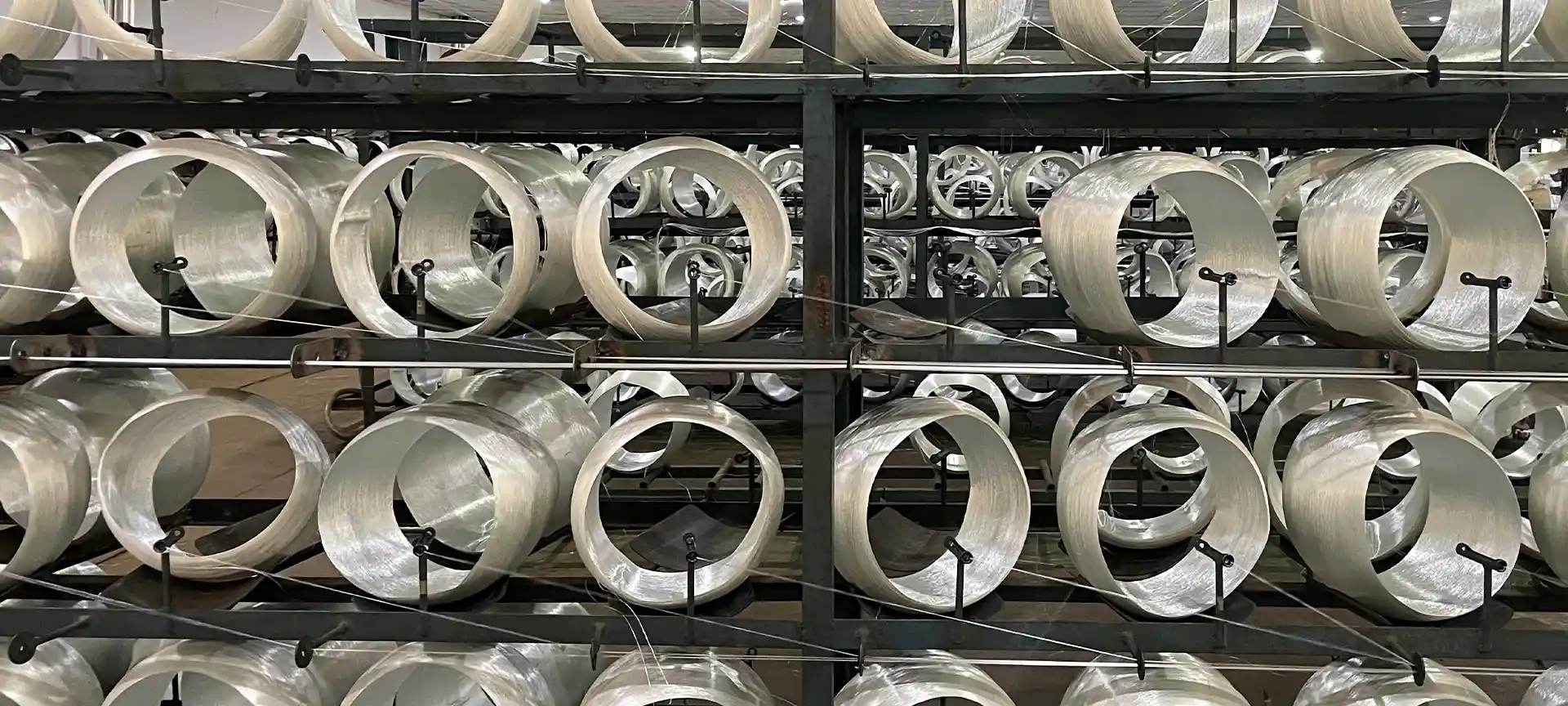
Composite shops don’t switch suppliers on a whim. When a laminator, a boatbuilder, or a pultrusion line manager starts asking around about a new source of fiberglass roving, it’s usually because something broke — a bad batch of gun roving that kept fuzzing up in the chopper, a direct roving with inconsistent tex that threw off resin ratios, or a supplier that just stopped answering emails during a busy quarter. That’s the backdrop for why CQDJ has been showing up more often in 2026 sourcing conversations, and it’s worth walking through what the product actually is, how the different roving types differ, and what should shape your decision before you place an order.
This isn’t a spec sheet dump. It’s the buyer’s-side version of the conversation: what glass fiber roving is built from, where direct roving stops and assembled roving starts, why AR glass fiber roving exists at all, and what actually moves fiberglass roving price up or down.
What Fiberglass Roving Actually Is
Glass roving is a bundle of continuous glass filaments, drawn from molten glass through tiny bushings and wound together into a single strand without twist. That “without twist” detail matters more than it sounds — twisted yarns are for weaving; untwisted roving is for processes that need the fiber to spread, wet out with resin, or feed smoothly through a gun or a pulling die.
Roving is measured in tex (grams per 1,000 meters) or yield (yards per pound in the older imperial system still used across parts of North America). A 2400 tex direct roving and a 4800 tex roving behave completely differently on the same equipment, so tex isn’t a minor spec — it’s the first filter in any sourcing decision. CQDJ produces its glass fiber roving across the common industrial tex bands, which is part of why it slots into existing production lines without a re-tooling headache.
Direct Roving vs Assembled Roving vs Gun Roving
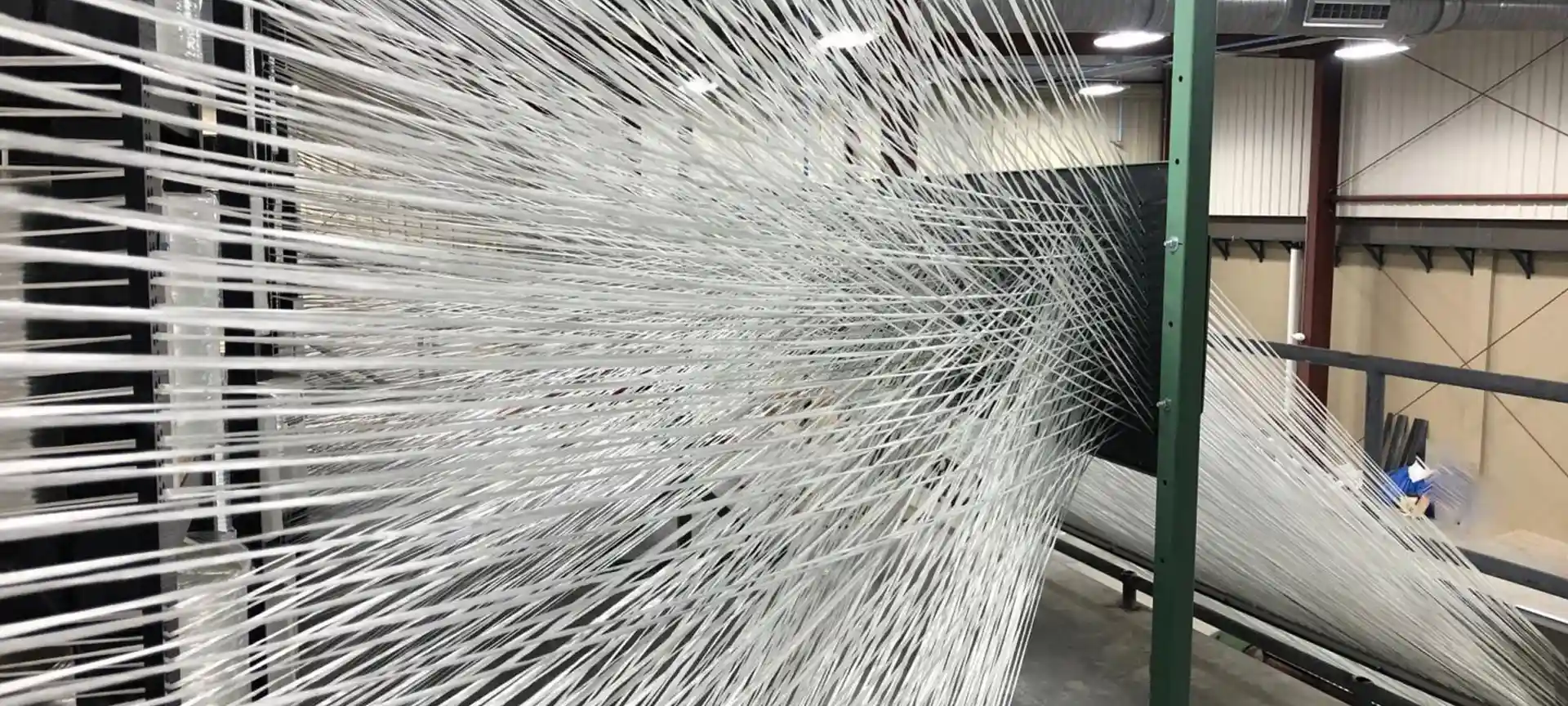
This is where a lot of buying mistakes happen, because the three terms get used loosely in casual conversation but mean very specific things on a production floor.
Direct roving is wound directly at the bushing during glass fiber production — one continuous pull, minimal handling, tight tension control. Fiberglass direct roving is the standard choice for filament winding and pultrusion, where the fiber has to run under constant tension through a die or over a mandrel for hours without a break. If your process depends on tension consistency, e glass direct roving from a controlled production run beats anything reassembled after the fact.
Assembled roving, by contrast, is built by combining multiple strands after initial winding — useful when a process needs a specific bundle count or yield that a single direct pull doesn’t deliver economically. Fiberglass assembled roving shows up in some weaving and specialty reinforcement applications where the end spec calls for a combination not available as a straight direct pull.
Gun roving is a different animal altogether. Fiberglass gun roving — also called fiberglass roving gun feedstock, or just gun roving fiberglass in shop talk — is engineered specifically to run through a chopper gun. Spray-up work (boat hulls, tub and shower units, tanks, some truck body panels) depends on a roving that chops cleanly at the blade, doesn’t fuzz or shed loose filaments into the airstream, and wets out fast once it hits the resin/catalyst spray. A fiberglass roving gun is only as good as the roving loaded into it; feed a gun built for smooth chopping with roving that wasn’t sized for it, and you get static buildup, uneven chop length, and a laminate with weak spots nobody notices until a warranty claim shows up. This is also where the term fiberglass chopper gun roving gets used interchangeably with gun roving — same product, same purpose, different regional phrasing.
|
Roving type |
Primary use |
Key trait to check |
| Direct roving | Filament winding, pultrusion | Tension consistency, tex accuracy |
| Assembled roving | Weaving, specialty bundles | Bundle uniformity, yield match |
| Gun roving | Chopper gun spray-up | Clean chop, low fuzz, fast wet-out |
E-Glass Roving vs AR Glass Fiber Roving
Most of what moves through a composites shop is E-glass — a borosilicate formulation that’s electrically resistant (hence the “E”), affordable, and mechanically solid for general-purpose laminates. E glass roving and e glass direct roving cover the bulk of pultrusion, marine, and automotive reinforcement work, and it’s what people usually mean by default when they just say “glass roving” without qualifying it.
AR glass fiber roving is a different chemistry entirely. The “AR” stands for alkali-resistant, and it’s formulated with a higher zirconia content specifically so the glass doesn’t degrade in the highly alkaline environment of wet cement. If your product involves glass-reinforced concrete (GRC), cement board, or any application where fiber sits inside a cementitious matrix, standard E-glass will slowly corrode over years — AR glass is the only correct choice, not a premium upgrade. Buyers sourcing for construction and precast concrete work should confirm zirconia content specifically, since “AR glass” without documentation isn’t a guarantee of long-term alkali resistance.
Inside the Fiberglass Roving Roll
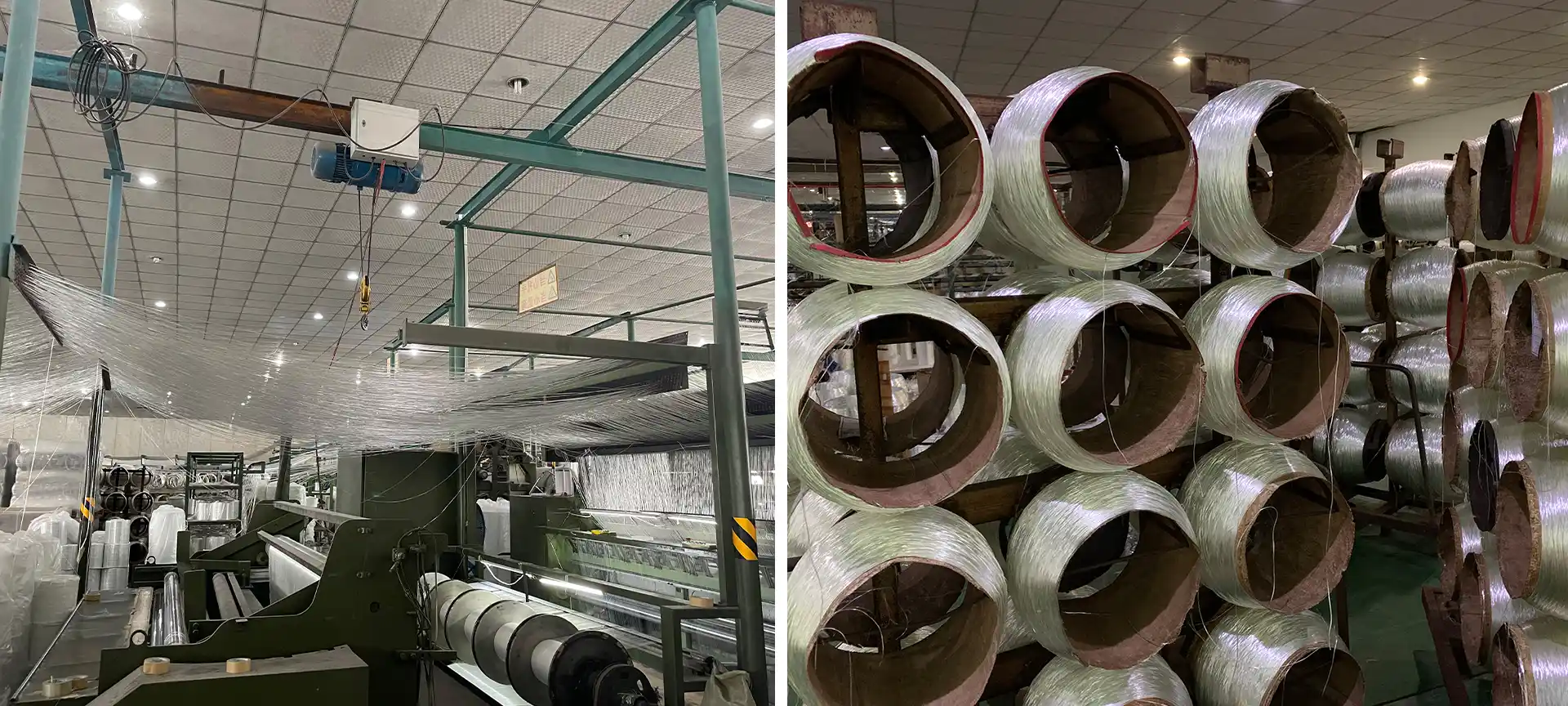
A fiberglass roving roll sounds like a simple thing to spec until you’re the one troubleshooting why a roll unwinds unevenly halfway through a shift. Winding tension, roll density, and core diameter all affect how cleanly a roll pays out on automated equipment. A roll wound too loosely collapses under its own weight during shipping; wound too tight, and the strand catches or breaks as it unwinds at speed.
CQDJ ships roving on cylindrical packages sized for standard industrial creels and gun-feed systems, with sizing chemistry (the coating applied to the filaments right after forming) matched to the intended resin system — polyester, vinyl ester, or epoxy each interact differently with fiber sizing, and a mismatch shows up as poor wet-out or delamination long before anyone traces it back to the roving roll itself.
What Actually Drives Fiberglass Roving Price
Buyers ask about fiberglass roving price expecting a simple number, and suppliers usually give a range instead — for good reason. Several factors move the number more than people expect:
- · Glass type. AR glass fiber roving costs more than standard E-glass because of the zirconia content and tighter production controls.
- · Tex and yield. Heavier tex roving uses more raw material per meter, which shows up directly in per-kilogram pricing even though it may reduce total roving needed for a given laminate weight.
- · Sizing chemistry. Roving sized for epoxy compatibility, or for specialty applications, typically costs more than general-purpose polyester-compatible sizing.
- · Order volume and packaging. Full-container orders on standard roll sizes price differently than smaller, custom-packaged runs.
- · Raw material and energy costs. Glass manufacturing is energy-intensive, and both silica sand and energy pricing swings show up in quoted fiberglass roving price faster than in most other composite raw materials.
The honest answer for anyone comparing quotes is to normalize by tex and by application — comparing a price-per-kilogram of gun roving fiberglass against a price-per-kilogram of AR glass roving tells you nothing useful, since they’re not interchangeable products.
Where This Roving Actually Gets Used
It’s worth grounding all of this in real production, because roving selection isn’t academic:
- · Pultrusion — continuous profiles like rebar, ladder rails, and structural shapes run on direct roving pulled under tight tension through a heated die.
- · Filament winding — pressure vessels, pipe, and tanks wind direct roving in precise geometric patterns over a rotating mandrel.
- · Chopper gun spray-up — boat hulls, shower pans, and truck panels depend on gun roving fiberglass chopped and sprayed with resin in one motion.
- · SMC and BMC — sheet and bulk molding compounds use chopped roving blended directly into resin paste before compression molding.
- · GRC and cement board — AR glass fiber roving reinforces cementitious products where alkali resistance is non-negotiable.
Matching Your Gun to Your Roving
A fiberglass roving gun and the roving feeding it need to be specified together, not separately. Chop length settings, feed roller tension, and blade sharpness all interact with the roving’s own tex and sizing. Shops that source gun roving from CQDJ typically report fewer blade jams and less static-related fuzz — both of which trace back to consistent filament diameter and sizing uniformity at the mill, not just gun maintenance. If a shop is chasing chop-quality problems, the roving itself is worth checking before assuming it’s purely a mechanical gun issue.
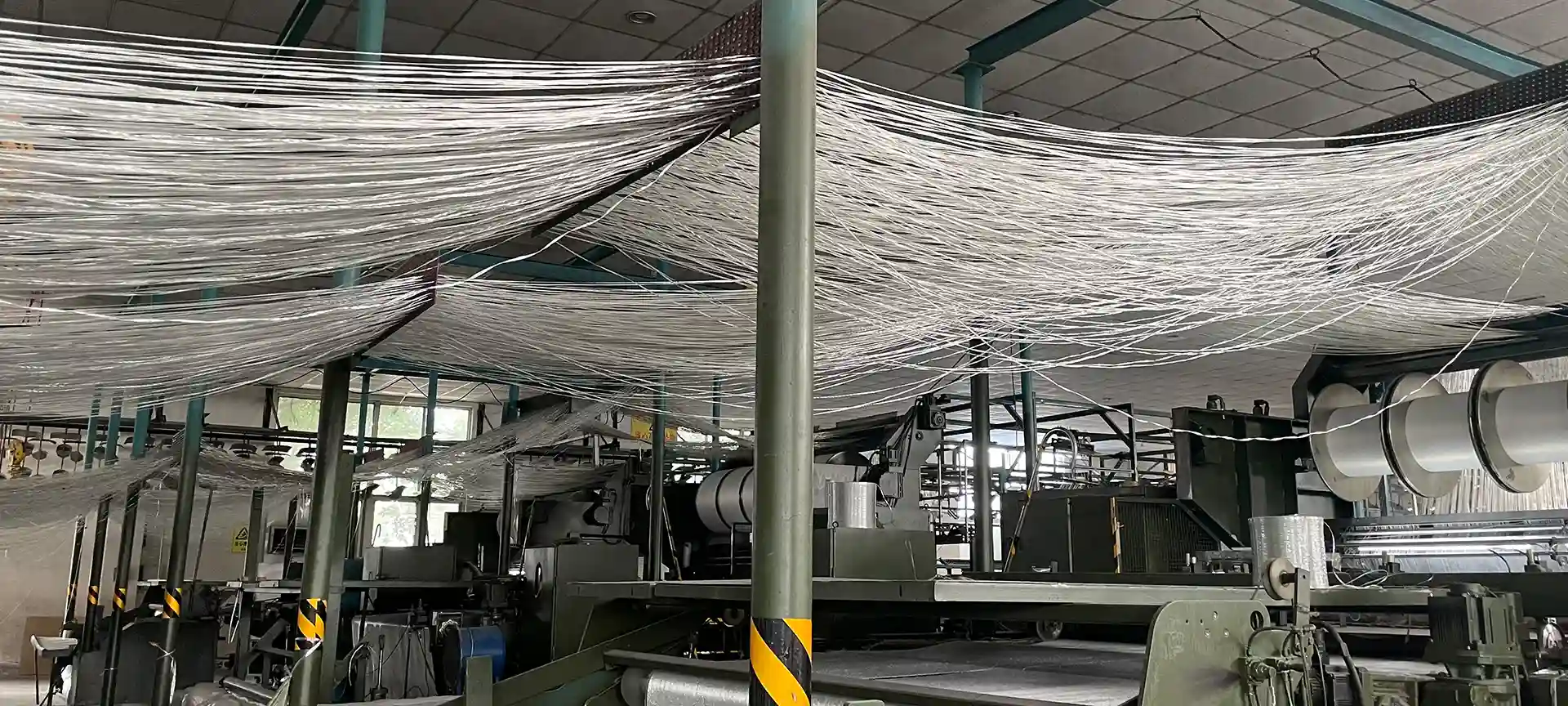
Why Shops Are Standardizing on CQDJ Going Into 2026
The pattern behind the switch is usually less dramatic than a single “wow” moment and more about what stops going wrong. Consistent tex from roll to roll means resin ratios stop drifting. Moisture-controlled packaging means rovings pulled from storage in humid coastal facilities don’t develop the sizing degradation that shows up as poor wet-out months later. And having both E-glass and AR glass fiber roving available from one supplier means a shop running mixed production — say, marine laminates and GRC panels in the same facility — doesn’t need two separate vendor relationships just to keep both product lines stocked.
None of that shows up on a spec sheet. It shows up in fewer rejected panels and fewer calls to the supplier asking why this batch behaves differently from the last one.
Frequently Asked Questions
What’s the difference between direct roving and assembled roving? Direct roving is wound straight from the bushing in one continuous pull and holds tighter tension consistency, making it the standard for pultrusion and filament winding. Assembled roving is combined from multiple strands after initial winding to hit a specific yield or bundle count, and is more common in weaving and specialty reinforcement.
Can I use standard E-glass roving in a concrete application? No. Standard E-glass degrades in the alkaline environment of wet cement over time. AR glass fiber roving, formulated with higher zirconia content, is the correct choice for GRC and any cementitious application.
Why does my chopper gun keep fuzzing or jamming? Fuzzing and jamming often trace back to the roving’s sizing and filament uniformity, not just gun maintenance. Gun roving that isn’t engineered for clean chopping will shed loose filaments and build up static, even on a well-maintained fiberglass roving gun.
How is fiberglass roving price actually compared between suppliers? Normalize by tex and by roving type before comparing numbers. A price-per-kilogram figure only means something when you’re comparing the same glass type, tex, and sizing chemistry across quotes.
What tex should I ask for if I’m not sure? Tex requirements are process-specific — pultrusion, filament winding, and spray-up all run different tex ranges. Share your process and equipment specs with your roving supplier rather than guessing; the right tex depends on line speed, die geometry, and target laminate thickness.
Final Word
Fiberglass roving is one of those materials that looks interchangeable on paper and isn’t, in practice, once it’s running through actual equipment. Whether the requirement is direct roving for a pultrusion line, gun roving for spray-up, or AR glass fiber roving for a concrete application, the right answer starts with matching the product to the process — not just comparing a price list. That’s the same conversation CQDJ has with new buyers before a first order goes out, and it’s the reason the relationship tends to stick past the first roll.
Post time: Jul-01-2026


