

1.Introduction
Fiberglass roving isn’t just another raw material; it’s the backbone of your entire composite structure. Whether you’re winding heavy-duty industrial pipes or molding high-performance wind blades, your final product is only as good as the glass fiber roving you start with.
But here’s the reality: navigating the maze of direct roving, assembled roving, and multi-end roving can be a headache for even the most seasoned procurement managers.
Get it wrong, and you’re in for a rough ride. We’re talking about poor resin wet-out, clogged equipment, and—worst of all—structural failures that could ruin your reputation. These aren’t just technical glitches; they are “profit killers” that drive up your fiberglass roving price through wasted resin and downtime.
As a veteran Fiberglass Roving Manufacturer, we’ve seen it all. Whether you’re running a fiberglass roving gun for spray-up or pulling a high-tensile fiberglass roving roll through a pultrusion die, the choice matters. This guide cuts through the fluff to show you the technical “nitty-gritty” of each roving type, helping you build on
a foundation that actually lasts.
2.What is Direct Roving?
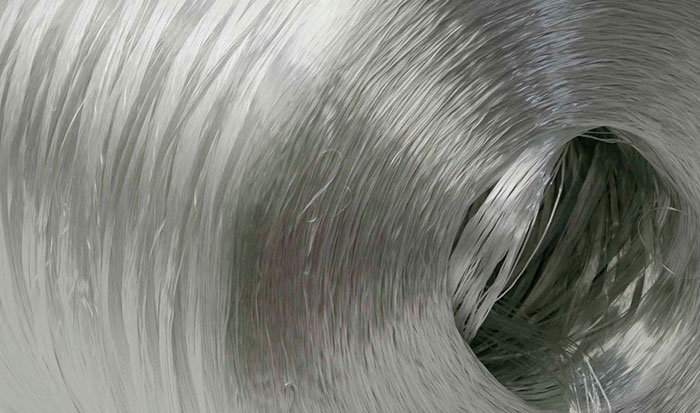
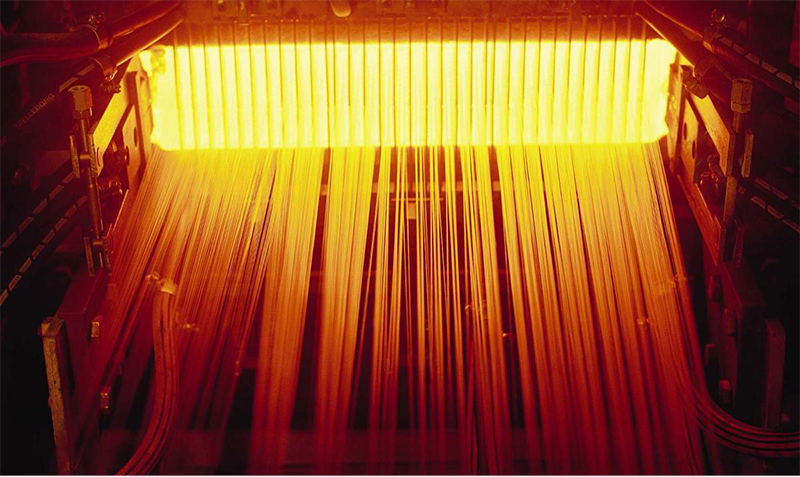
Think of direct roving (or fiberglass direct roving) as the pure, “unfiltered” version of reinforcement. Unlike complex multi-strand types, this is pulled straight from the furnace bushing as a single, continuous strand and wound onto a fiberglass roving roll. Because it’s one unified strand, there’s no twisting or tangling—just perfectly parallel fibers.
The real “wow” factor of high-grade e glass direct roving is its consistency. The surface is incredibly smooth, which translates to rock-solid, uniform tension on your production line. This is a game-changer for high-speed runs. Plus, the specialized sizing ensures a fast wet-out speed; the resin doesn’t just sit on the surface, it soaks in deep and fast, virtually eliminating those dreaded internal dry spots.
Because it’s a continuous roving fiberglass powerhouse with massive tensile strength, it’s the go-to for automated, high-precision jobs. You’ll find it leading the way in:
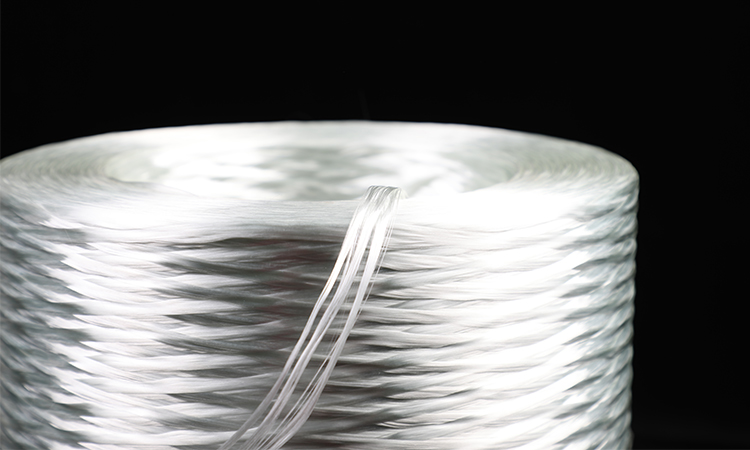
Filament Winding: Building high-pressure tanks and pipes that can’t afford to fail.
Pultrusion: Pulling out consistent profiles like fiberglass rods and rebar.
Weaving: Acting as the high-strength base yarn for heavy-duty fabrics.
In short: if you’re looking to maximize your glass-to-resin ratio for a lighter, tougher build, direct roving is your best bet.
3.What is Assembled Roving?
Assembled roving—often called multi-end roving on the shop floor—is a different beast entirely. Instead of one single strand, we take a whole bunch of individual glass fiber strands and bundle them together into one cohesive rope.
The standout feature of fiberglass assembled roving? It’s built to be chopped. Because it’s made of many smaller strands, it has what we call good choppability. It cuts clean and drops fast without clogging up your gear or fraying into a mess. We treat our fiberglass gun roving with a specific sizing to kill static electricity, so you don’t get that annoying “fuzz” or bird-nesting during the spray-up. This multi-strand “bundle” design also makes the material much more flexible—it hugs complex mold corners and tight details like a glove.
This is a specialized reinforcement material born for high-volume, mold-heavy work:
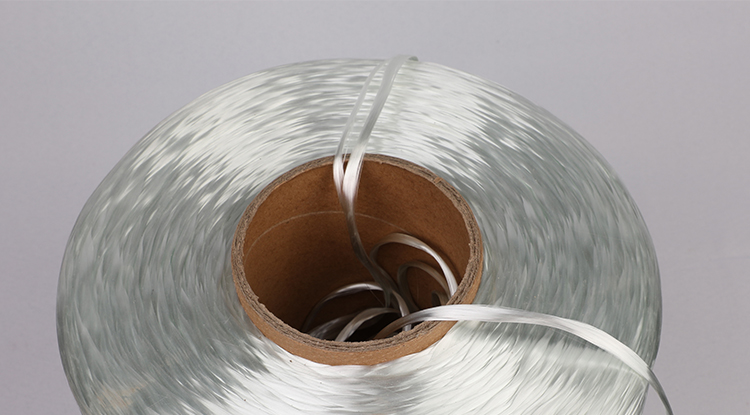
Spray-up: The standard partner for a fiberglass roving gun when you’re cranking out boat hulls, bathtubs, or pools.
SMC (Sheet Molding Compound): Perfect for being chopped into resin paste for heavy-duty compression molding.
Centrifugal Casting: Ensuring fibers are flung evenly against a spinning mold for consistent pipe walls.
Whether you’re feeding a fiberglass chopper gun roving or a standard setup, this multi-end design is what gives you that flat lay-down and even saturation for a professional, mirror-smooth finish.
4.The Key Differences: Direct vs. Assembled
|
Feature |
Direct Roving |
Assembled Roving |
|
Fiber Structure |
Single strand |
Multiple strands combined |
|
Wet-out Speed |
Faster |
Moderate to Fast |
|
Choppability |
Not ideal |
Excellent |
|
Tensile Strength |
Higher (Vertical) |
Better for complex shapes |
|
Common Use |
Pipes, Tanks, Rebar |
Boat hulls, Bathtubs, SMC parts |
When comparing types of glass roving, the choice often comes down to the glass chemistry—such as standard e glass roving, high-strength s glass roving, or premium brands like Jushi roving.
Direct Roving: Features a single-end structure, offering higher vertical tensile strength and better performance in pipes and rods.
Assembled/Gun Roving: Features a multi-end structure. It is designed to be “chopped” by a fiberglass roving gun, making it superior for complex shapes and large surface areas like boat hulls.
5. How to Choose the Right Roving? (A Practical Guide)
Choosing the right glass fiber roving isn’t just about chasing the lowest fiberglass roving price—it’s about finding that “sweet spot” where material meets machinery. If you pick the wrong horse here, your production line will pay the price in downtime and defects.
To get it right, we look at the three pillars of a successful build:
1. Let Your Process Do the Talking
The easiest way to decide? Look at your equipment.
Go with Direct Roving: If your process is all about the “pull.” It’s the undisputed MVP for Pultrusion (think fiberglass rebar, rods, and beams) and Filament Winding. Because it’s a single, continuous strand, it handles high-speed tension without snapping or fraying.
Go with Assembled Roving: If your job involves a blade. If you’re running a fiberglass roving gun for Spray-up (boat hulls, RV panels) or working with SMC, assembled roving is non-negotiable. It’s built to chop clean, drop fast, and lay flat in the mold without a fight.
2. The Bottom Line: Cost vs. Real-World Value
Don’t just look at the invoice; look at the efficiency:
Direct Roving: Usually gives you more “bang for your buck” in high-volume, automated runs. Why? Because it packs more glass into the laminate, meaning you use less of that expensive resin to hit your strength targets.
Assembled Roving: You might see a different price point for specialized gun roving, but it’s a massive time-saver. It wets out faster and covers complex molds easily, which slashes your labor costs and air-release headaches.
3. Performance & The “Resin Match”
Your final environment dictates the tech specs. If the chemistry is off, the whole structure is at risk:
Strength: Need maximum unidirectional muscle for structural profiles? E glass direct roving is your go-to.
The “Bond”: Your fibers and resin need to speak the same language. Whether you’re using Polyester, Epoxy, or Vinyl Ester, the sizing must be compatible with resins. If they don’t bond, you’re basically looking at a ticking time bomb for delamination.
Specialty Environments: Dealing with nasty chemicals or concrete? Standard E-glass won’t cut it. You’ll need to step up to AR glass fiber roving to keep things from crumbling long-term.
By aligning your process, cost, and chemistry, you’re not just buying materials—you’re bulletproofing your production.
6. Common Mistakes to Avoid
In the composites industry, technical errors often stem from a lack of understanding regarding the “downside” of using the wrong material. Based on common challenges faced by manufacturers, here are the most critical mistakes to avoid when handling glass roving:
1. The “Single-Strand” Trap: Using Direct Roving in a Chopper Gun
The most frequent mistake is attempting to use fiberglass direct roving in a fiberglass roving gun. Because direct roving is a single, high-integrity strand, it does not chop cleanly. This leads to:
“Bird-nesting”: Long, unchopped strands tangling in the blades.
Equipment Clogging: Frequent downtime to clear the cutter head.
Uneven Distribution: Patchy reinforcement that creates structural weak spots in the laminate.
2. Ignoring Resin Compatibility
Even the highest quality e glass roving will fail if the sizing (the chemical coating on the fiber) is not compatible with your resins.
The Result: If you use a roving designed for Polyester with an Epoxy resin system, the fibers will not “wet-out” properly. This creates internal micro-bubbles and white spots (dry fibers), which are the leading causes of delamination and premature product failure.
3. Poor Tension Management in Winding
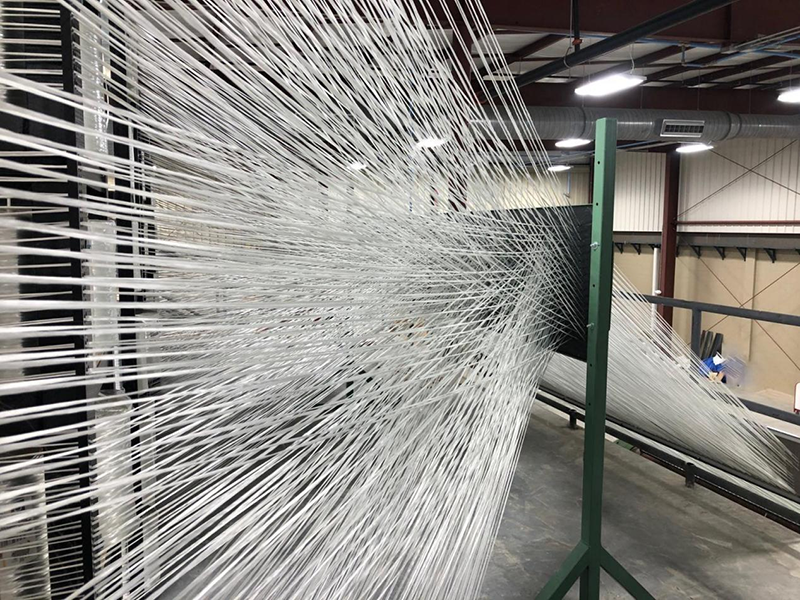
When using continuous roving fiberglass for filament winding, inconsistent tension is a silent killer.
The Result: If the tension is too loose, you get resin-rich areas (which are brittle and prone to cracking); if it’s too tight, you starve the fibers of resin, leading to structural voids. Maintaining uniform tension across the fiberglass roving roll is essential for a balanced strength-to-weight ratio.
4. Storage and Moisture Contamination
Fiberglass is surprisingly sensitive to the environment. Storing your glass fiber roving in a damp or dusty area can ruin the silane sizing.
The Result: Contaminated fibers lead to poor bonding and increased static electricity during processing, making the gun roving difficult to manage and significantly lowering the quality of your finish.
5. Misjudging the “Disadvantages” of Fiber Types
Every material has a trade-off. For example, while e glass direct roving is strong and cost-effective, using it in highly acidic or alkaline environments without checking its corrosion resistance is a recipe for disaster. In such cases, failing to switch to AR glass fiber roving or specialized resins will result in a rapid loss of structural integrity over time.
By avoiding these common pitfalls, you ensure that your investment in fiberglass roving translates into a high-quality, high-performance end product.
7. Conclusion
In this industry, there’s no such thing as a “magic bullet” fiber. There is only the roving that fits your specific process like a glove.
Whether your shop floor demands the high-tension precision of direct roving for pultrusion or the “chop-and-drop” versatility of fiberglass gun roving for complex molds, success comes down to one thing: matching the material to the method. Get it right, and your production runs like a well-oiled machine. Get it wrong, and you’re just burning money.
Choosing the right glass fiber roving is a balancing act between technical specs, shop-floor efficiency, and a competitive fiberglass roving price. Understanding these nuances is the difference between an average product and one that actually stands the test of time.
Ready to Level Up Your Production?
Don’t leave your material selection to guesswork. As a veteran manufacturer, we don’t just ship rolls; we provide the technical “know-how” to keep your margins healthy and your laminates flawless.
Need a quote? Get the latest pricing on e glass roving for your next big run.
Not sure which one to pick? Our engineers are ready to talk shop and help you find the perfect glass fiber roving match.
Test the quality: Contact us today to request a sample pack of our high-performance direct roving or gun roving.
Let’s build something stronger together.
Post time: Apr-10-2026


