

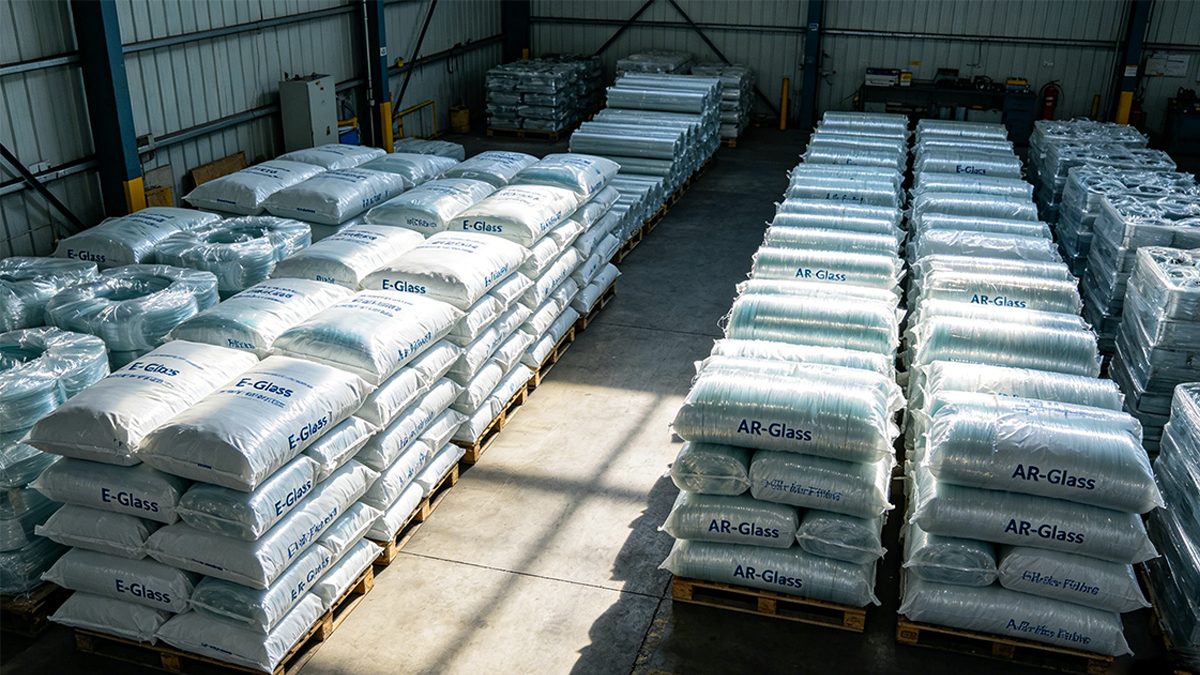
When it comes to high-performance reinforcement, chopped strand fiberglass is the most critical line item in your Bill of Materials. Whether you are compounding thermoplastics or reinforcing GFRC, the choice between e glass chopped strand and ar fiberglass chopped strand isn’t just about cost—it’s about the structural survival of your end product.
Selecting the wrong chopped fiberglass isn’t a minor error; it’s a liability. In high-alkali environments like concrete, the wrong fiber leads to catastrophic failure. We’ve spent over a decade on the manufacturing floor refining fibreglass chopped strands, and this guide is designed to help you navigate these materials with surgical precision.
What is E-Glass Chopped Strand? (The Industry Workhorse)
E-Glass, short for “Electrical Grade,” isn’t just a standard; it’s the global backbone of the composites world. Originally engineered for high-voltage insulation, it has evolved into the “go-to” reinforcement for everything from automotive parts to marine hulls, thanks to its brutal mechanical strength and cost-to-performance ratio.
Beyond Insulation: High-Strength Reinforcement
In the factory, we don’t just value E-Glass for its dielectric properties. We value its 3,400 MPa tensile strength. When processed into chopped glass fiber, it acts like a high-density skeletal network within the resin, providing the stiffness and impact resistance that non-reinforced plastics lack. If your application is neutral—meaning no contact with harsh alkalis—E-Glass is the most bang for your buck.
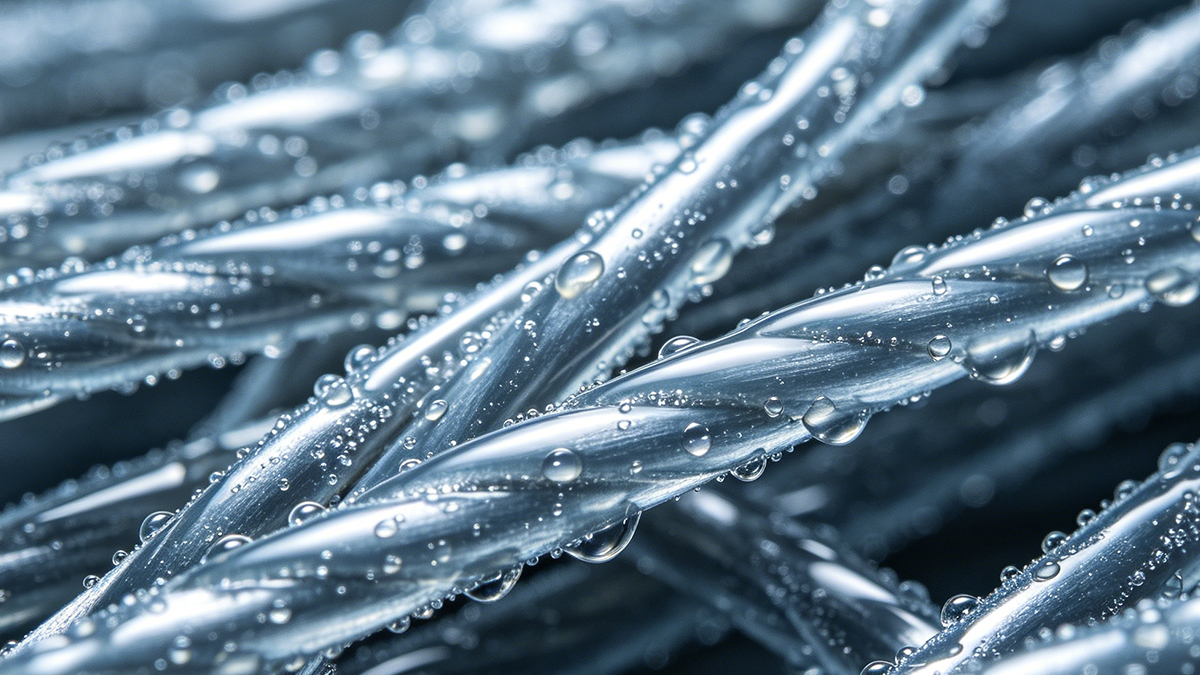
Sizing: The Secret Sauce of Resin Compatibility
The reason e glass chopped strand is so dominant in B2B manufacturing is its “chemical adaptability.” The raw fiber is nothing without its Sizing (chemical coating). This invisible layer is what dictates how well the fiber “wets out” (bonds) with your matrix:
Epoxy Resins: Targeted at high-spec aerospace and performance sports gear.
Polyester & Vinyl Ester: The bread and butter for high-volume automotive panels and corrosion-resistant chemical tanks.
What is AR-Glass Chopped Strand? (The Concrete Specialist)
If E-Glass is the industry’s “all-rounder,” AR-Glass (Alkali-Resistant) is the specialist. It was engineered for one reason: to survive the chemical furnace of the construction world. Standard glass fibers are effectively “eaten alive” by the high-pH environment of cement; AR-glass is the only fiber built to fight back.
The Importance of Zirconia (ZrO2)
The defining characteristic of ar fiberglass chopped strand is the inclusion of Zirconia (ZrO2). In the manufacturing process, Zirconia is melted into the glass structure to provide a chemical shield.
The Industry Gold Standard: For a fiber to be considered truly “Alkali Resistant” for structural use, it must have a Zirconia content of 14.5% or higher.
Lower-tier “C-Glass” or low-zirconia fibers may be cheaper, but they fail to provide long-term protection against the caustic nature of cement.
Why Standard Glass “Disappears” Inside Concrete
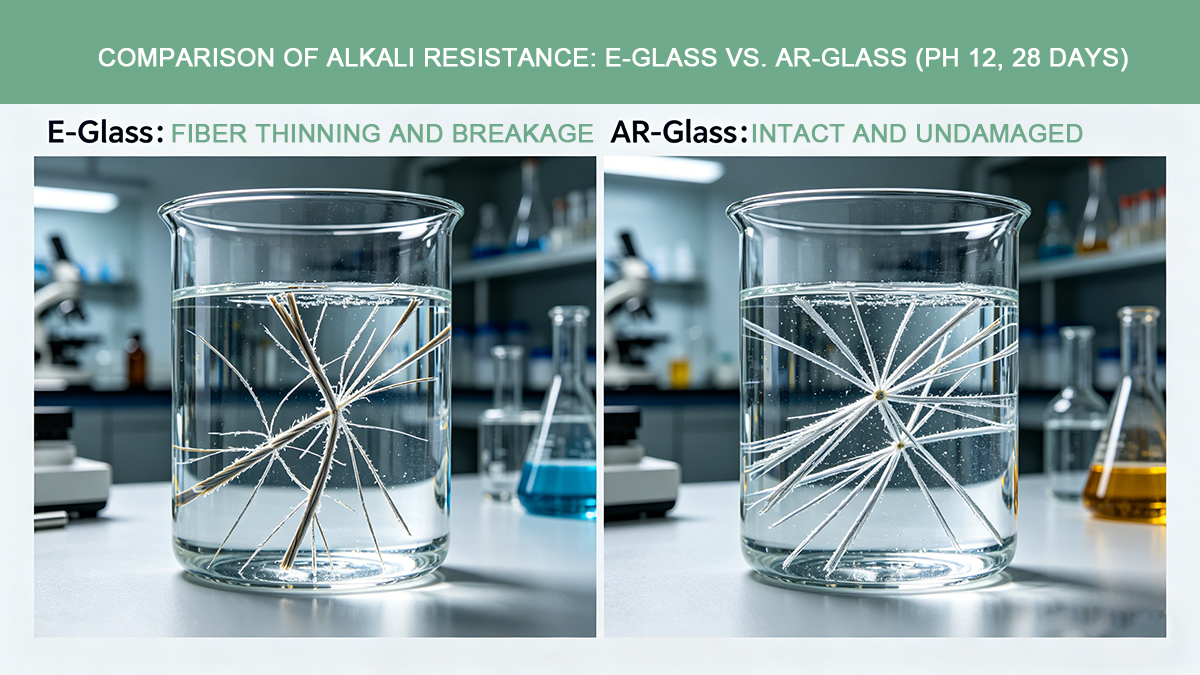
Let’s talk about the harsh reality of cement: it is a chemical furnace with a pH of 12 or higher. When you embed standard e-glass chopped strand into a wet mix, you’re essentially dropping a delicate material into a caustic bath. The alkali ions immediately go to work, “etching” and attacking the silica molecular chains of the glass.
In the field, we call this “fiber rot.” Over time, those standard fibers don’t just weaken—they literally dissolve or turn brittle, leaving your concrete with zero tensile reinforcement. The result? Sudden cracking and structural failure. AR-glass chopped strands are the only real defense here. By creating a chemical-resistant barrier at the molecular level, AR-glass ensures the fiber stays intact and functional for a 50-year service life, rather than being “eaten alive” by the slab before the building is even paid for.
Key Selection Factors: Which One Should You Choose?
|
Feature |
E-Glass Chopped Strands |
AR-Glass Chopped Strands |
|
Zirconia (ZrO2) Content |
0% |
≥ 14.5% (Industry Gold Standard) |
|
Alkali Resistance |
Low (Corrodes in Cement) |
Excellent (Long-term Stability) |
|
Tensile Strength |
3,100 – 3,500 MPa |
1,700 – 2,500 MPa |
|
Resin Compatibility |
Epoxy, Polyester, Vinyl Ester |
Cement, Mortar, Phenolic Resin |
|
Primary Use Case |
Automotive, Marine, Aerospace |
GFRC, Flooring, Infrastructure |
|
Relative Cost |
$ (Economical) |
$$ (Premium due to Zirconia) |
When deciding between chopped fiberglass types, consider these three pillars:
1. Chemical Environment (The pH Test)
Choose AR-Glass: If your matrix is cementitious (Concrete, Mortar, GFRC).
Choose E-Glass: For polymer-based composites (FRPs), thermoplastics, and neutral chemical environments.
2. Cost Efficiency
E-Glass chopped strand is generally more affordable than AR-Glass. This is due to the high cost of Zirconia raw materials and the higher melting temperatures required for AR-glass production. If your application doesn’t involve high-alkali exposure, E-Glass offers the best ROI.
3. Physical Properties & Durability
Impact Resistance: AR-Glass is the better choice for Glass Fiber Reinforced Concrete (GFRC) to prevent micro-cracking.
Rigidity: E-Glass provides exceptional stiffness for injection-molded parts.
Industrial Application Silos (H3s)
|
Fiber Length |
Best For… |
Common Industry |
|
3mm – 6mm |
Injection Molding, Thermoplastics |
Automotive Parts, Electronics |
|
12mm (1/2″) |
GFRC, Hand Lay-up, Surface Mats |
Architectural Panels, Statuary |
|
24mm – 36mm |
Wet-process non-wovens, Flooring |
Industrial Tiling, Roofing Mats |
|
50mm+ |
Heavy-duty Reinforcement |
Bridge Decks, Marine Hulls |
1. Automotive & Aerospace: The War on Weight
In these high-stakes sectors, every gram shaved is a performance win. E-glass fiber chopped strand is the secret behind moving away from heavy, expensive metal castings.
The Reality: We aren’t just making plastic parts; we’re engineering high-performance composites for intake manifolds, engine covers, and structural interior panels.
The Benefit: By compounding thermoplastics with chopped glass fiber, manufacturers get the best of both worlds—the lightweight profile of polymers with the rigid, high-strength “backbone” of glass. It’s about hitting those strict fuel efficiency and safety targets without blowing the production budget on exotic alloys.
2. GFRC & Architectural Precast: Building for the Next 50 Years
When it comes to architectural cladding, faux stone, or the latest in 3D concrete printing, chopped fiberglass for concrete (specifically AR-Glass) isn’t just an “option”—it’s a liability shield.
The Engineering Edge: You cannot achieve thin-wall, high-detail precast with traditional steel rebar. AR-glass allows you to strip away the bulk, creating panels that are significantly lighter and easier to rig on-site.
The Bottom Line: Because of that 14.5% Zirconia shield, you’re guaranteeing structural integrity for half a century. You avoid the nightmare of micro-cracking and “fiber rot,” ensuring that the architectural vision stands up to the elements long after the project is handed over.
3. Injection Molding
Glass fiber strands are compounded with pellets like PA66 (Nylon) or PP. The 1 4 chopped fiberglass length is a favorite here, as it flows easily through injection nozzles while providing the mechanical “interlock” needed to improve thermoplastic rigidity and heat deflection temperatures.
Manufacturer’s Insights (The “Experience” Factor)
Pro Tip on Mixing: Preventing “Fiber Balling”
One common issue in factories is “balling”—where fibers clump together rather than dispersing.
The Factory Secret: In concrete mixing, always add ar-glass chopped strands last. Mix your aggregates and water first to create a slurry, then fold in the fibers for the final 60-90 seconds. This prevents the mechanical action of the gravel from breaking down the fiber bundles prematurely.
Sizing Agents: The Invisible Bond
Never buy “naked” fiber. The Sizing (the thin chemical layer on the strand fibreglass) is what makes or breaks your product. We customize our sizing based on whether the customer is using a water-based concrete mix or an oil-based epoxy. If the sizing isn’t compatible, the fiber will act like a foreign object rather than a reinforcement.
FAQ
Can I save costs by using E-Glass in concrete if I use a surface sealer?
Short answer: Absolutely not. A sealer only protects the “skin” of the concrete. The internal matrix of a slab remains a high-alkali environment for its entire life. Moisture trapped inside will continue to transport alkali ions to your fiberglass strands, leading to internal structural decay. If you use E-Glass in cement, you aren’t saving money—you’re building a liability. Always stick to AR-Glass for cementitious projects.
What is the actual shelf life of chopped strands?
While the glass itself is essentially eternal, the sizing agent (the chemical coating) is not. Most glass fiber chopped strands have a reliable shelf life of 12-24 months. Beyond this window, the sizing can oxidize or lose its “wet-out” chemistry, especially in humid warehouses. For the best bond strength, we recommend a “first-in, first-out” inventory strategy.
Can you manufacture custom fiber lengths for specific projects?
Yes. While 1/4″ (6mm) and 1/2″ (12mm) are the “off-the-shelf” volume movers, we regularly produce custom cuts. Whether it’s a 3mm fiber for high-precision injection molding or a 50mm strand for heavy-duty industrial flooring, the length must match your aggregate size and processing equipment to avoid clumping.
Why does the chopped glass fiber price fluctuate?
In the B2B world, transparency is key. Your quote is generally driven by four variables:
1.Zirconia Content: Higher ZrO2 in AR-glass means higher material costs but better safety.
2.Filament Diameter: Finer filaments require more “draw time” at the furnace, increasing the premium.
3.Energy & Raw Materials: The cost of Boron and the natural gas required to run the melting furnaces.
4.Logistics Scale: Moving full container loads (FCL) drastically offsets the per-kilogram freight impact compared to LCL shipments.
Can I use E-Glass in concrete if I use a sealer?
Answer: No. While a sealer protects the surface of the concrete, the internal environment remains highly alkaline. Moisture within the concrete will still transport alkali ions to the fiberglass strands, eventually destroying them from the inside out. Always use AR-Glass for concrete.
Conclusion: Making the Right Investment
At the end of the day, your choice between E-Glass and AR-Glass defines the lifecycle of your end product. Whether you’re sourcing chopped fiberglass reinforcement for high-speed thermoplastic injection or engineering a legacy GFRC facade, the “chemical backbone” of the fiber is your foundation.
E-Glass remains the undisputed king of versatility and economy for resin-based composites.
AR-Glass is the non-negotiable insurance policy for the construction and precast industry.
Ready to optimize your material specs? Don’t guess when it comes to chemical compatibility. As a dedicated manufacturer, we provide the raw data, Zirconia certifications, and bulk pricing needed to keep your project on track and under budget.
Post time: Apr-29-2026


