

Fiberglass Mat Roll Price: What You Should Actually Pay
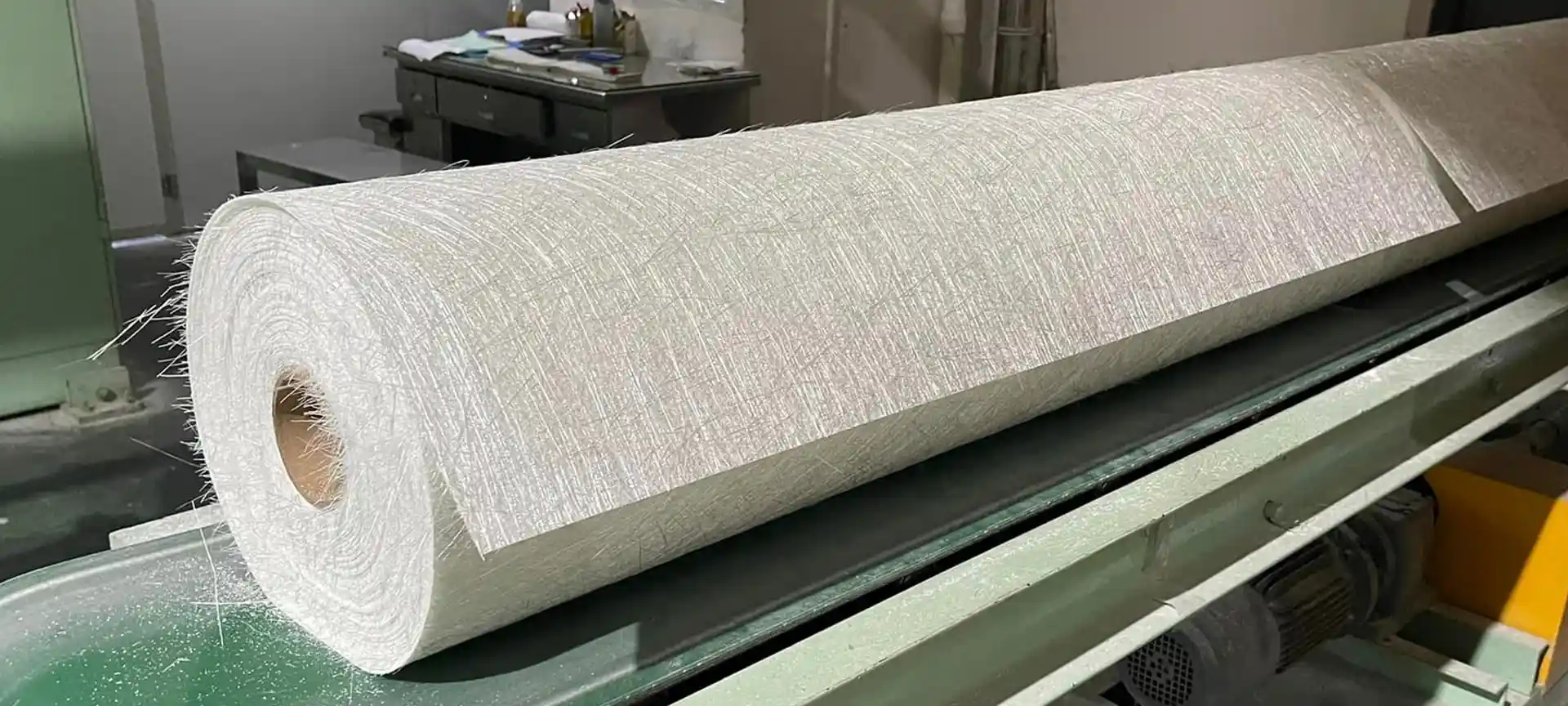
Fiberglass mat roll price depends on weight, width, length, binder type, and where you buy. A standard 450 gsm chopped strand mat in a one-meter by forty-meter roll might run anywhere from 1.80 to 3.50 per kilogram depending on volume and shipping.
Lightweight mat — 225 or 300 gsm — often costs more per kilogram than heavier mat. Thinner mat takes more manufacturing steps per kilogram. Heavier mat is cheaper per unit of coverage.
Let me break this down so you can tell a fair quote from a bad one.
Do Not Compare Per-Kilogram Prices Blindly
A buyer in Chile called me once, excited. Found fiberglass mat for $1.50 per kilogram. I asked what weight and width. It was 100 gsm in narrow rolls. Coverage per kilogram was terrible. He needed three times as many rolls. Freight ate his savings.
Fiberglass mat price per square meter matters more than price per kilogram for most projects. Ask for that number.
A 450 gsm mat at 2.20 per kilogram works out to roughly 0.99 per square meter. A 300 gsm mat at 2.40 per kilogram works out to 0.72 per square meter. The lighter mat looks more expensive per kilogram but covers more area per dollar.
Calculate cost per square meter of finished laminate. That is the number that matters. Not the per-kilogram quote that suppliers throw out to make the number look small.
Binder Type Affects Cost
Powder-bound fiberglass mat is usually cheaper than emulsion-bound. Emulsion binders cost more but handle better with epoxy resins. Powder binders break down fast in polyester and vinyl ester.
Using polyester? Buy powder-bound. Save money, get better wet-out. Using epoxy? You probably need emulsion-bound. The extra chopped strand mat cost is necessary.
A customer in Canada bought powder-bound mat for an epoxy infusion project once. Binder did not dissolve. Part had dry pockets everywhere. He saved fifty dollars on rolls and lost two thousand dollars on scrap. That is FRP material cost working against you instead of for you.
The binder also affects how much styrene evaporates during layup. Low-emission binders cost more but reduce styrene fumes. In Europe, where emissions regulations are strict, the extra cost is mandatory. Elsewhere it is optional but worth it for worker health.
Width and Packaging
Wider rolls often have lower per-square-meter cost. A two-meter roll is cheaper to handle and ship than two one-meter rolls. But you need equipment to manage it. A small shop cannot always unwind a two-meter roll cleanly.
Slit rolls cost more per meter because the supplier does extra work. They make sense for small jobs or automated dispensers. For big hand layups, full-width rolls save money.
Standard widths: 100 centimeters, 125 centimeters, 200 centimeters. The 125 is popular in Europe. The 100 is common in the Americas and Asia. Wider rolls mean fewer overlaps, which means fewer weak spots in the laminate.
Packaging also matters. Rolls should be wrapped in plastic film to protect against moisture. Cardboard cores should be strong enough to survive shipping. A crushed core means a damaged roll. A damaged roll means wasted material. A good fiberglass mat supplier knows this. A bad one does not care.
Freight Is Part of the Price
Fiberglass mat is bulky. A container load from China to Europe might add thirty to fifty percent to the material cost after freight, customs, and handling. Domestic stock is usually more expensive per kilogram but cheaper landed.
Always calculate landed cost, not FOB cost. The cheapest ex-factory price can become the most expensive delivered price.
Freight rates move. In 2021, container shipping from China to Europe went from 2,000 to 15,000 per container. A roll of mat that was 2.00 per kilogram FOB became 5.00 per kilogram landed. Buyers with quotes from 2020 were shocked. Market moved faster than their spreadsheets.
For budgeting, add 30 to 50 percent to FOB price for shipping and handling. If landed still beats local, import. If not, buy local. The math changes every few months.
Minimum Order Quantities
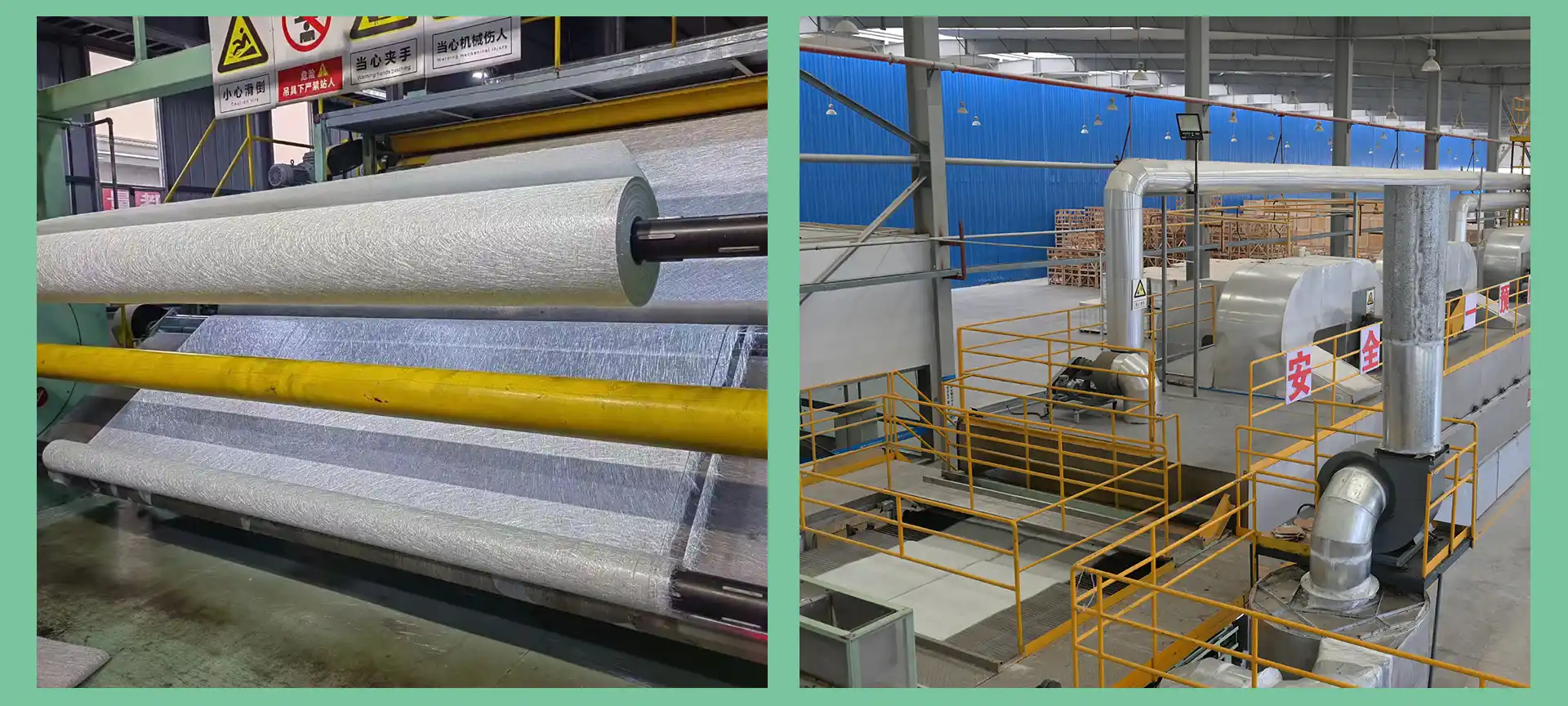
Most factories have a minimum order quantity. For fiberglass mat, typical MOQ is one pallet — about 500 to 1,000 kilograms depending on weight and roll size. Some factories require a full container, 10 to 20 tons.
Small buyers cannot meet MOQ. They buy from distributors who stock locally. Distributor marks up 20 to 50 percent. That markup buys convenience and smaller quantities.
Use less than 500 kilograms per year? Buy from a distributor. Use more than a ton? Go direct to the factory. Savings on direct purchase are significant.
A customer in Australia used 300 kilograms per year. Tried to buy direct from a Chinese factory. MOQ was one pallet. Could not use that much before it expired. Bought from a local distributor at a higher price but in smaller quantities. Saved money overall because there was no waste.
What Cheap Mat Actually Costs You
Ultra-cheap fiberglass mat has problems. Inconsistent strand length. Weak binder. Lumps. Oil spots from poor sizing. Dirty edges. These issues slow production and cause rejects.
A factory in Vietnam bought cut-rate mat to win a bid once. Binder partially dissolved in their vinyl ester and formed white clumps. Had to stop the line, clean rollers, reject thirty percent of the day’s output. Savings disappeared in one shift.
Cheap mat also has inconsistent areal weight. A roll labeled 450 gsm might actually be 420 in some spots and 480 in others. Laminate thickness varies. Parts do not fit. Quality control fails.
Cheap mat picks up moisture faster too. Glass fiber absorbs water from humid air. Wet glass bonds poorly to resin. Laminate has voids and weak spots. Store mat in sealed plastic. Do not buy mat that has been sitting in an open warehouse for months.
Price Ranges in 2026
As of mid-2026, standard E-glass chopped strand mat in container quantities runs roughly 1.80 to 2.60 per kilogram FOB China for 450 gsm powder-bound rolls. Specialty mats cost more. Low-styrene emission mat runs 2.50 to 3.20. Surface tissue runs 3.00 to 5.00 because it is thin and hard to produce. Stitched combo mat runs 2.80 to 3.80.
Small-quantity buyers in local markets may pay 3.00 to 5.00 per kilogram after distribution markup.
Prices move with glass fiber pricing, energy costs, and shipping rates. Always request a fresh quote. A quote from three months ago might be twenty percent off today’s market.
Glass Fiber Prices Drive Mat Prices
Fiberglass mat is made from glass fiber roving. Roving price tracks with raw materials and energy. Natural gas prices rise — glass melting costs rise — mat prices follow.
In 2022, energy prices spiked in Europe. Several glass fiber furnaces shut down. Fiberglass mat roll price jumped 25 percent in six months. Buyers with fixed-price contracts were fine. Buyers on spot got squeezed.
If you buy significant quantities, watch the energy market. When gas prices rise, expect mat prices to follow within three to six months. Lock in contracts before the rise.
Volume Discounts Are Real
Factories offer volume discounts. One pallet might cost 2.40 per kilogram. Full container might cost 2.00. Three containers might cost $1.80. The more you buy, the cheaper per kilogram.
But volume only helps if you can use the material before it expires. Polyester-compatible fiberglass mat has a shelf life of about 12 months in sealed packaging. After that, binder degrades. Mat does not wet out properly.
Do not buy a container to save 20 percent if you will use half and throw the rest away. Buy what you need. Savings are real only if the material gets used.
How to Get a Fair Quote
Tell your supplier the weight, width, length, binder type, resin system, and end use. Ask for price per square meter and price per kilogram. Ask about MOQ and lead time. Compare landed quotes, not list prices.
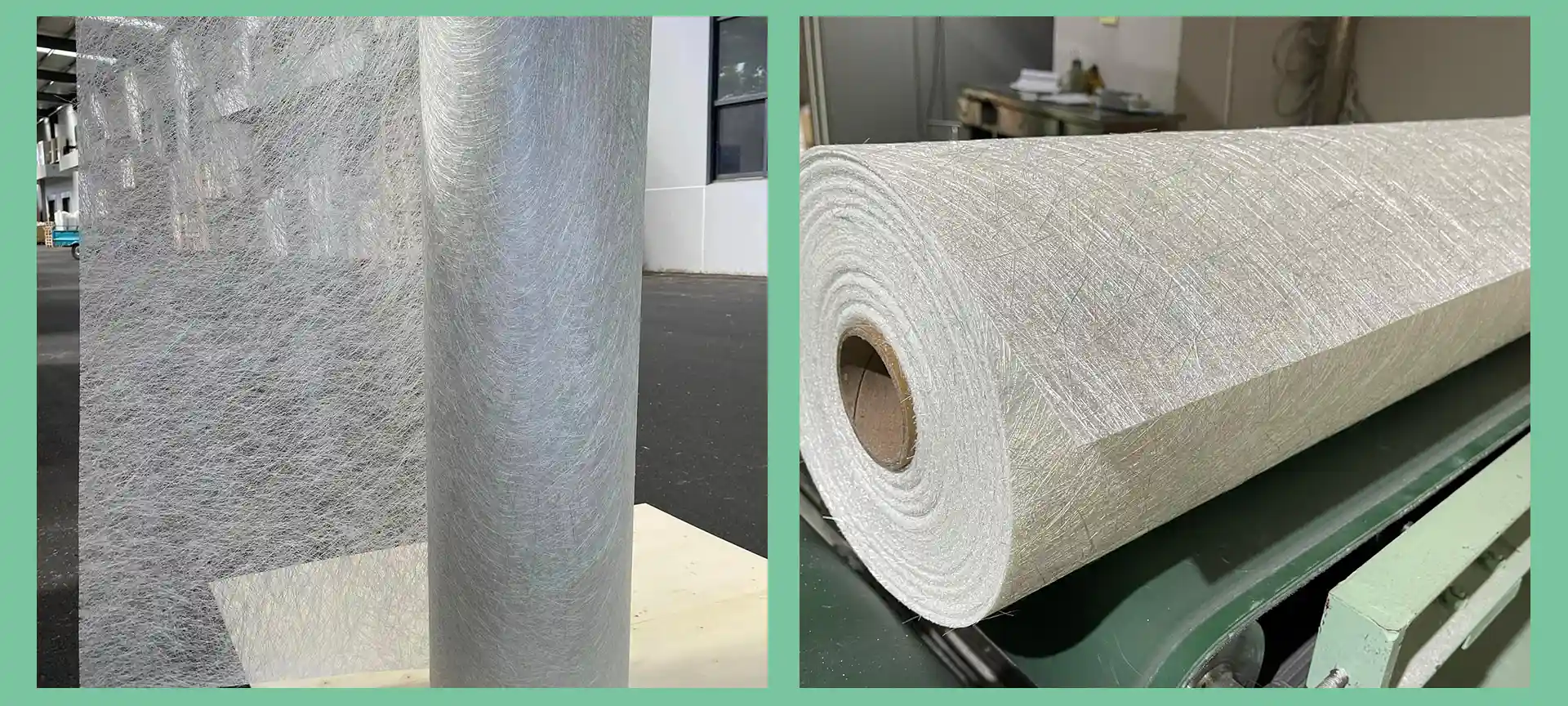
If a supplier cannot answer those questions, they are a trader, not a technical partner. Find a real fiberglass mat supplier who understands the product.
A good supplier asks you questions back. What resin? What process? Hand layup or infusion? What end product? If they ask these, they are matching you to the right product. If they just quote a price without asking, they do not care whether the product works for you.
Lost a bid once to a supplier who quoted 30 percent below my price. Buyer called me six months later. Cheap mat was emulsion-bound and he was using polyester. Binder did not dissolve. Parts were failing. He switched back to my product. The cheap quote cost him more in scrap and rework than my original price would have.
Price matters. But the right product at a fair price beats the wrong product at a low price. Every single time.
Post time: Aug-20-2026


