

A Field Director’s Take: What Fiberglass Plant Stakes Actually Deliver
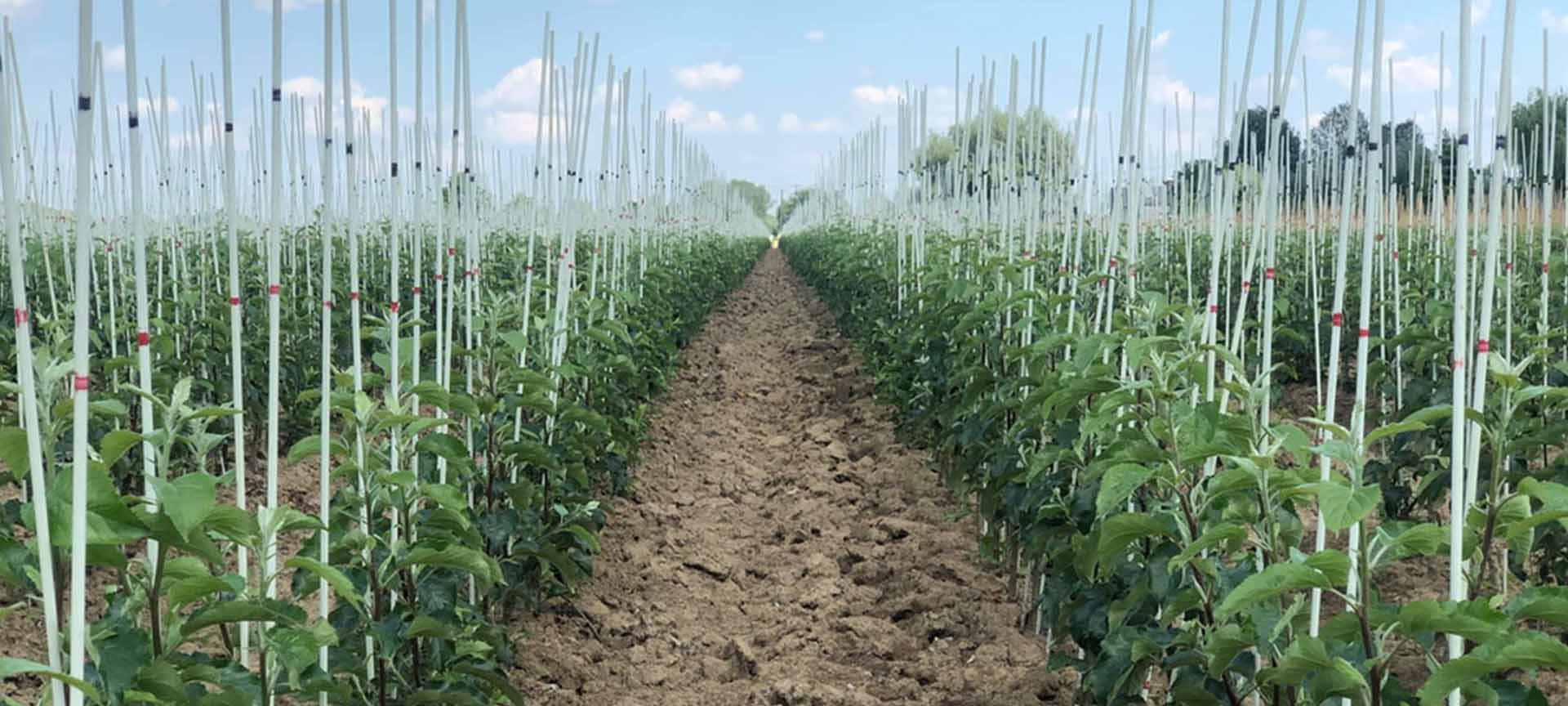
I have made fiberglass profiles since 1991. Pultrusion, resin formulation, die design, field failures. Fiberglass plant stakes are not a new invention. I have watched growers waste money on the wrong stake for decades. I have also seen smart buyers cut their stake budget in half. This is the note I would send to any grower, vineyard manager, or nursery buyer who wants the real picture.
If you run bamboo or steel in a perennial crop, you are burning money. I do not care what your current supplier says. Fiberglass plant stakes solve the problems that bamboo and steel create. The rest of this note explains why.
Bamboo is cheap until it is not
Bamboo looks like a win on the invoice. One dollar each. Maybe less. It feels natural. Your procurement team likes it.
It is also a yearly replacement in most soils. That is the hidden tax on bamboo. Fiberglass plant stakes do not rot at the soil line. That difference alone changes the math.
Bamboo wicks water. The soil line is the kill zone. After one season the bottom six inches is black and soft. You pull it at season end. Half the batch splits. The other half carries fungal load and microbes into your next bed. If you run seedlings, organics, or high-value greenhouse crops, that is a problem you never priced in.
I have seen vineyard crews replace 18% of untreated bamboo line posts every year. That is not normal wear. That is a subscription.
Steel is not your friend either
Steel lasts longer than bamboo. It also rusts. It conducts heat. It leaves brown oxide streaks on fruit and berries. A rusted steel tomato stake will mark your packout in August. Workers hate handling it. The edges get sharp. The weight drags crews down.
Yes, steel is strong. But most plant stakes do not need the yield strength of a guardrail. They need to survive five years of moisture, sun, and rough handling without creating secondary problems. Steel fails that test in ways that do not show up on the purchase order. Fiberglass plant stakes handle those five years quietly.
Fiberglass is the boring answer that works
Fiberglass plant stakes are not exciting. They are pultruded FRP profiles. Glass rovings pull through a resin bath. The die forms the shape. A UV veil goes on the outside. You sharpen one end. You ship it. That is the whole process.
But it works.
The material does not absorb water. It does not rust. It does not conduct heat. It flexes under load and returns to shape. This is why fiberglass plant stakes outlast metal and wood in real field conditions. A tomato stake loaded with a heavy fruit set will spring back. A steel stake of the same wall thickness will kink. Bamboo will snap.
In a five-year vineyard run, replacement rates drop from 15–20% per year on bamboo to under 3% on fiberglass. I have seen the numbers. They are real. Fiberglass plant stakes pay for themselves in avoided replacements alone.
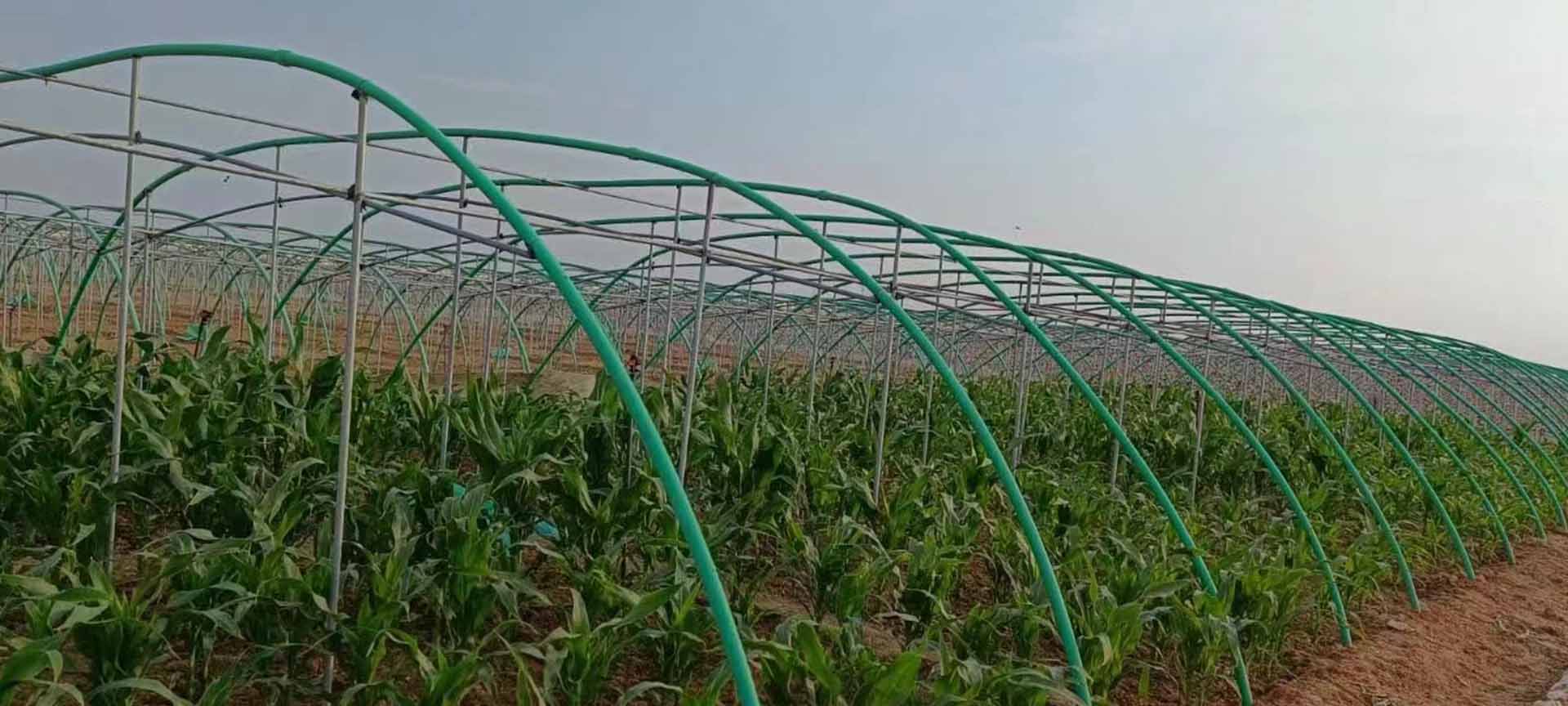
The savings are not in the material price
Here is the mistake most buyers make. They compare the unit price. Fiberglass costs more per stake. They stop there.
The real money is in labor and disposal.
A fiberglass stake runs 25–40% of the weight of a comparable steel stake. Fiberglass plant stakes cut the lifting load. Crews carry bigger bundles. They drive faster. They handle them longer before their hands give out. In a crop that uses thousands of stakes per hectare, that is the line item that matters.
Disposal is another hit. Bamboo rots, but most growers do not have compost space for fifty thousand pieces. It goes to the dumpster. Steel must be sorted from debris. Rusted steel is rarely worth recycling. Fiberglass gets pulled, pressure-washed, and stored. You use it again.
The break-even usually hits between season two and season three. After that, every additional season is free money. That is the math behind fiberglass plant stakes that most procurement teams miss.
What to actually look for when you source
Not all fiberglass plant stakes are the same. I have rejected plenty of low-grade imports in my career. Here is what matters.
Glass content by weight. Fiberglass plant stakes need 60% glass or higher. Lower ratios feel plasticky. They fatigue faster. They look cheap because they are cheap.
Resin type. Polyester is standard for general ag. Vinyl ester is better in high-alkali soils or where your irrigation water runs high pH. Epoxy is overkill for most plant stakes. Do not let anyone sell it to you as standard.
UV protection. If the profile does not have a surface veil or UV-stabilized outer layer, the resin will chalk and the fibers will bloom. The stake turns gray and rough. It still works, but it looks terrible and workers complain.
Sharpened end. A clean taper with a blunt tip is safer than a needle point. Orchards have workers moving fast between rows. A sharp stake is a puncture wound waiting to happen.
Length tolerance. ±2 mm matters if you are running a mechanical setter. A batch with sloppy cuts will jam your equipment. I have seen it.
Sizing is not rocket science
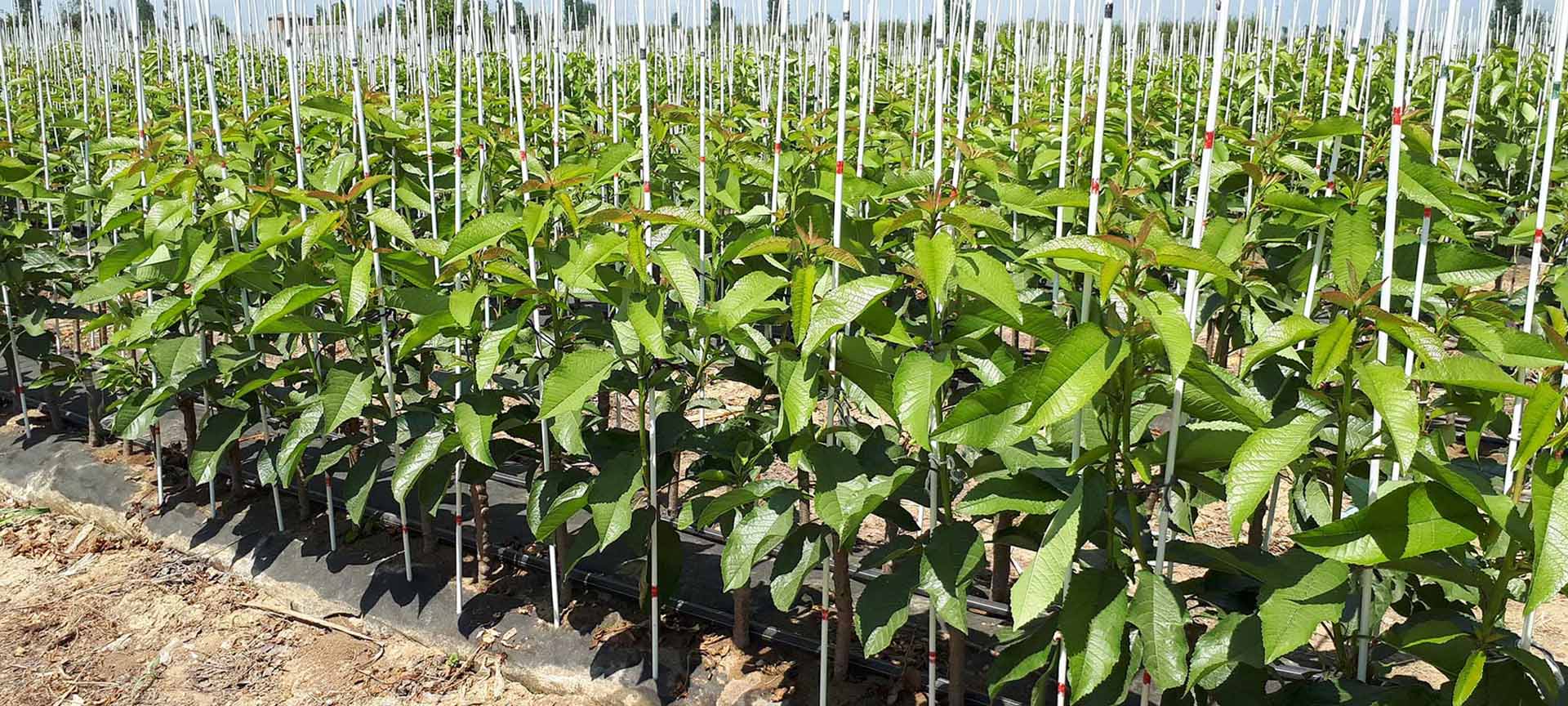
Tomatoes and peppers want 120 cm to 180 cm. Use 8–10 mm diameter. Drive 30 cm deep. Vines and cane fruit want 180 cm to 240 cm. Look for tensile strength above 200 MPa. Nursery liners want 60 cm to 90 cm, 6–8 mm. Greenhouse cut flowers and orchids want short stakes, 40 cm to 75 cm, 4–6 mm.
The rule is simple. If you are between sizes, upsize the diameter, not the length. A thicker stake handles wind better. A longer stake just gives the wind more leverage.
A few handling tips from the floor
Drive them by hand, mallet, or hydraulic post driver. Fiberglass plant stakes are non-conductive, so irrigation lines and electric fencing are not a worry. Do not beat the top with a bare steel hammer. Fiberglass is strong in tension. It can crush locally at the impact point. Use a rubber cap or a driving tool matched to the diameter.
When you tie plants, use soft twist ties, Velcro strips, or horticultural clips. Wire scores the surface veil. Once the fibers are exposed, you get rough handling and occasional splinters. The stake is still fine. Your workers will say it is not.
If a stake gets dirty, wash it. Store it dry. Use it again next season. That is the whole point.
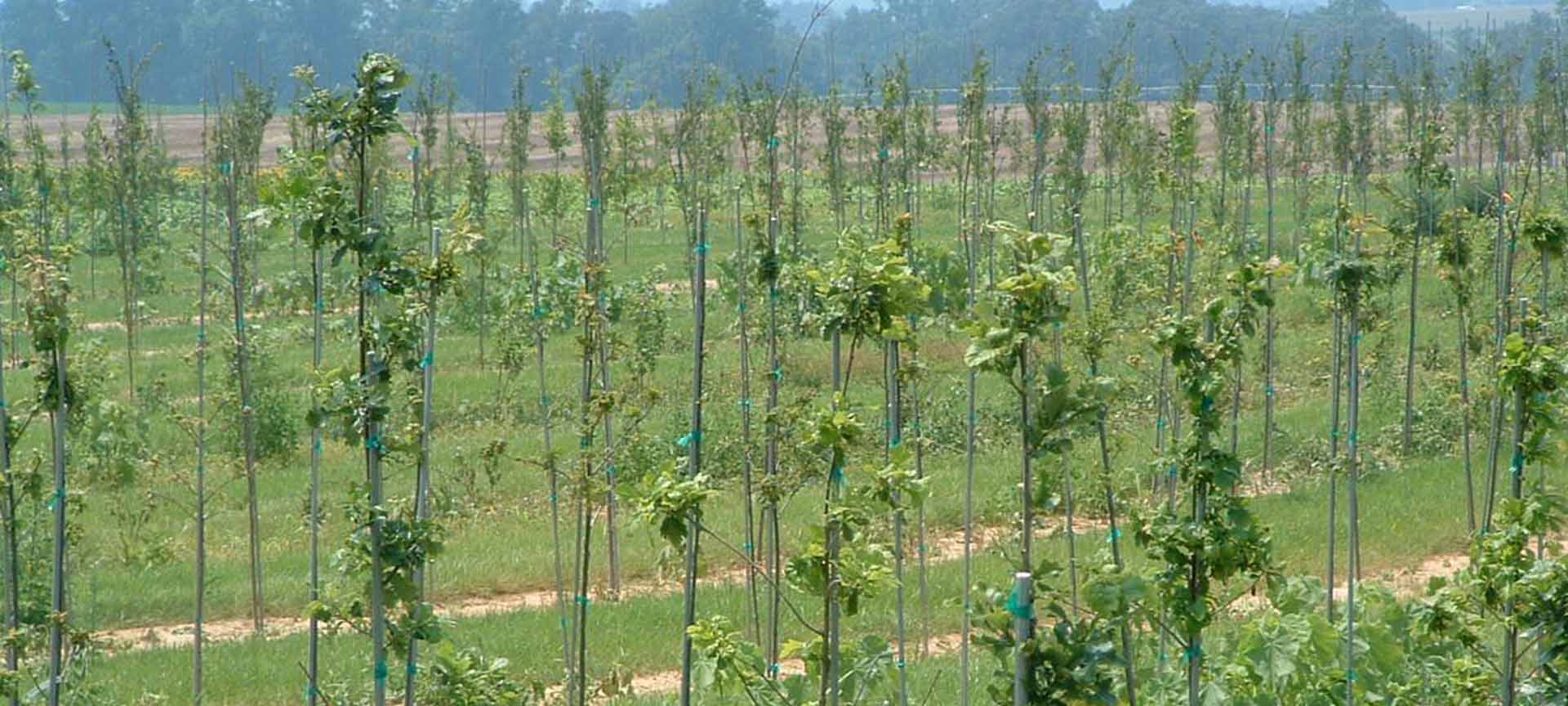
The sustainability question
Fiberglass is not biodegradable. I will say that straight. But in a managed crop cycle, it beats single-use bamboo over time. The embodied energy is higher on day one. Over five years of reuse, the per-season footprint drops below replacing bamboo every season. Fewer deliveries. Fewer pallets. Less packing waste. Less field debris.
For growers who market under regenerative or low-input programs, the reusable component matters. Buyers ask. You want an answer that holds up.
Where this market is going
Demand for fiberglass plant stakes is growing fastest in controlled-environment agriculture, high-density vineyards, and organic berry operations. These growers cannot rely on chemical preservatives to extend wood life. They need clean, reusable stakes.
Suppliers are catching up. Fiberglass plant stakes are no longer a six-week import lead time. Recycled-glass fiber options are entering the market. Custom lengths are getting easier to order. Stock is improving in North America and Europe.
That also means more junk is entering the market. Cheap imports with low glass content, poor UV protection, and no tolerances will flood the low end. Avoid them. They fail fast and make the whole category look bad.
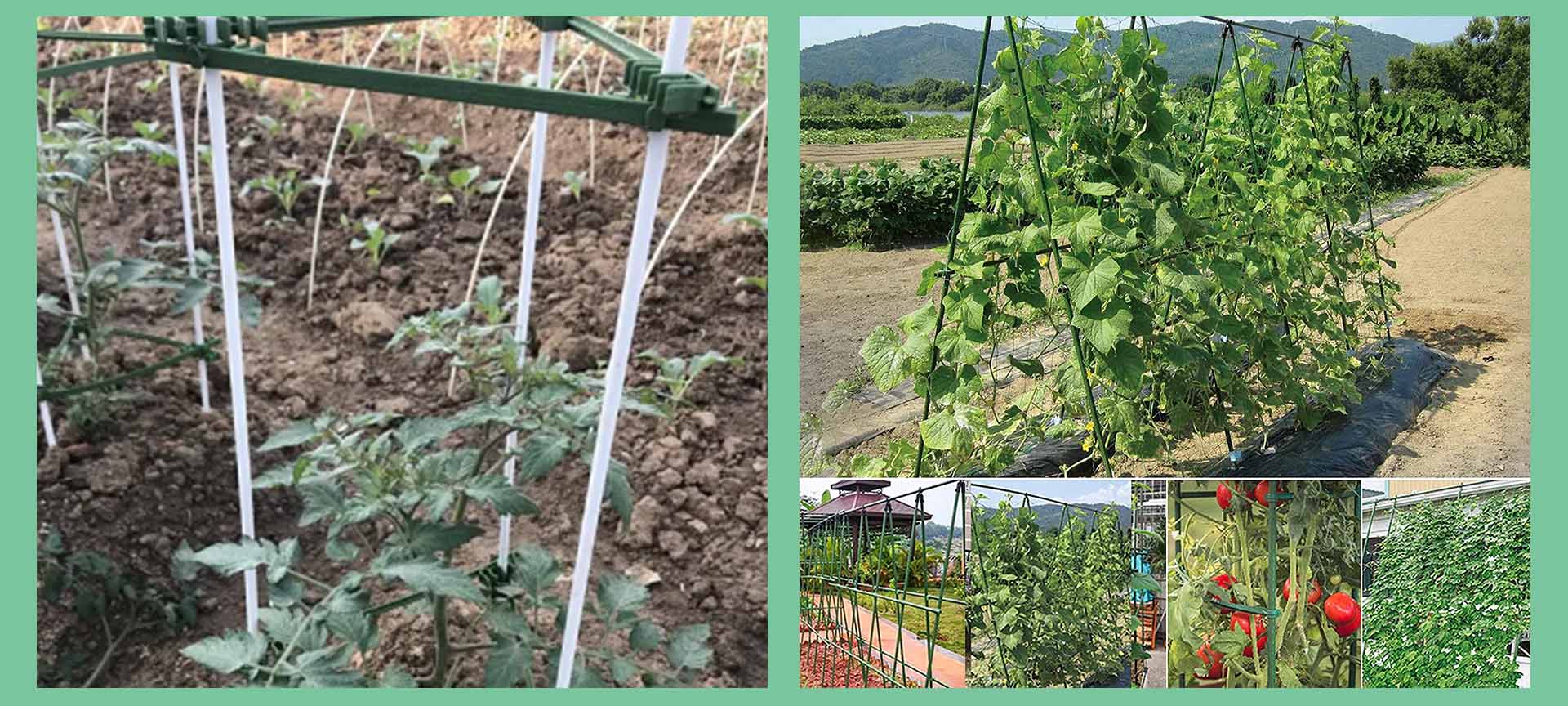
My position is simple
If you run a single-season crop with cheap labor and easy bamboo supply, fiberglass plant stakes may not pay back in year one. Fine. But if you run a perennial crop, a greenhouse, a nursery, or any operation where sanitation and reuse matter, there is no serious argument for bamboo. Steel is better than wood, but it creates its own problems.
Fiberglass is the boring, practical answer. It wins on total cost. It wins on labor. It wins on field hygiene. It wins on longevity.
Do the math over three years. Include the replacement cost of your current stakes. Include the labor to install and pull them. Include the disposal. Then price fiberglass. The answer will be obvious.
If you want a sample batch or a sizing recommendation, send me your crop and your soil pH. I will tell you exactly what to test.
Post time: Aug-06-2026


