

CQDJ Glass Fiber Roving: 3 Ways to Optimize Your Factory
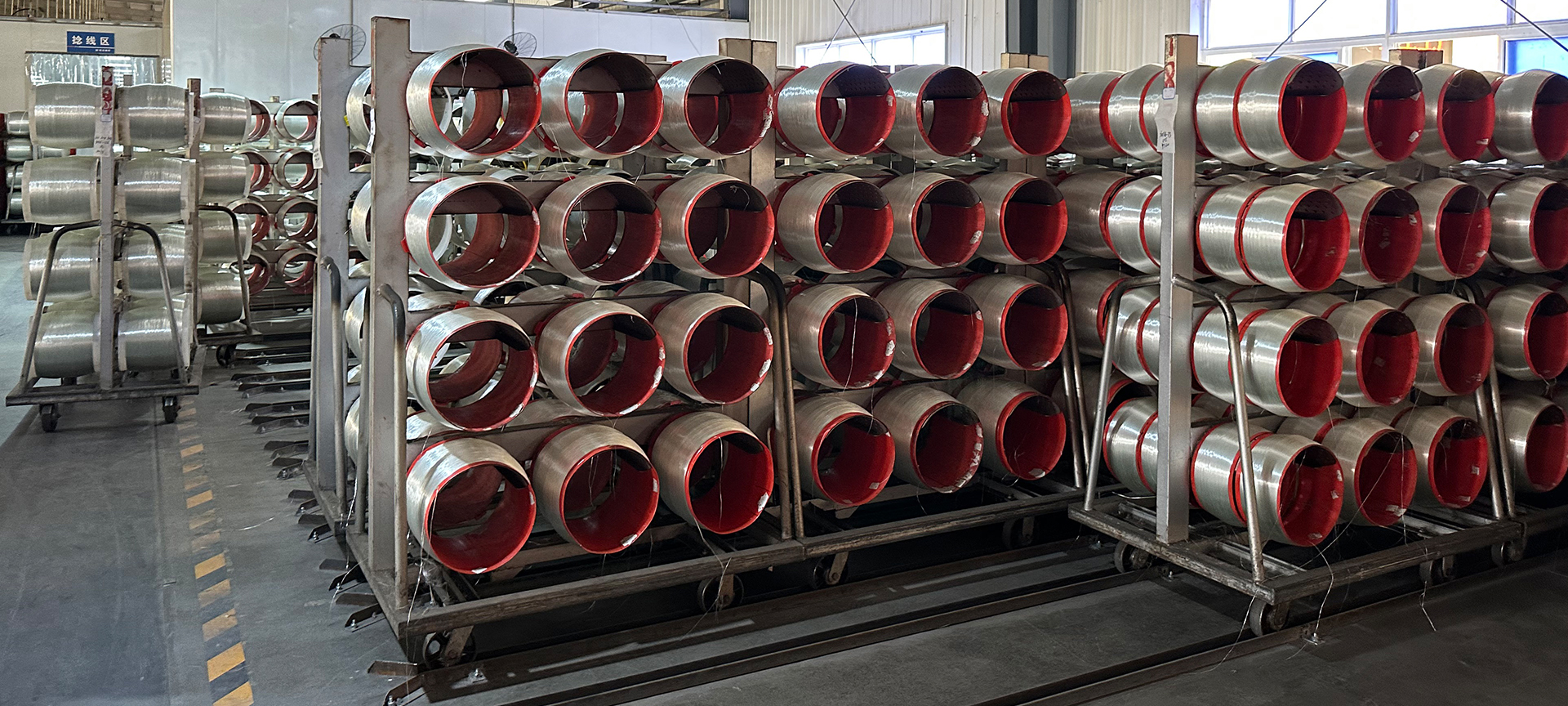
If you run a composite manufacturing line — filament winding, pultrusion, spray-up, or SMC — the single material decision that quietly drives your scrap rate, line speed, and downtime is glass fiber roving. Most factories don’t lose money because of one dramatic failure. They lose it in small, repeating ways: a sizing chemistry that doesn’t wet out fast enough, a tension setting that snaps strands twice a shift, a supplier whose tex value drifts batch to batch. None of these show up on a single invoice. They show up at the end of the quarter, in your yield report.
This guide breaks down exactly how glass fiber roving selection, process control, and supply chain management interact — and gives you three concrete, engineering-level ways to optimize your factory around this single input. Whether you’re a procurement manager comparing a glass fiber roving manufacturer, or a process engineer trying to figure out why your winding line keeps fraying strands, this article is built to answer the questions you’re actually asking before you make a purchasing decision.
Before going further, it’s worth being honest about why this topic deserves more than a surface-level comparison chart. Most articles on glass fiber roving either read like a product catalog (long lists of specifications with no context for what they mean on the floor) or like a generic materials-science overview that never touches the actual operating decisions a factory manager has to make this week. This guide is written from the operating side: what changes when you swap roving type, what to measure before blaming your equipment, and what questions actually separate a reliable supplier from a risky one.
What Is Glass Fiber Roving, and Why Does It Matter So Much to Factory Output?
Glass fiber roving is a continuous bundle of untwisted (or lightly twisted) glass filaments, gathered together and coated with a chemical sizing during the fiberglass forming process. Unlike chopped strand mat or woven fabric, roving is supplied as a continuous strand on a spool or bobbin, which makes it the standard reinforcement format for processes that need uninterrupted fiber feed: filament winding, pultrusion, spray-up, and continuous strand mat (CSM) production.
There are two broad categories worth understanding before you compare suppliers:
- · Direct roving is wound directly from the bushing (the platinum-alloy plate the molten glass is drawn through) without rewinding. It typically has fewer filament breaks, more consistent tension, and better unwinding behavior — which is why it’s the preferred choice for high-speed, continuous processes like filament winding and pultrusion.
- · Assembled roving is created by combining several single-end strands after they’ve already been wound once. It’s generally more economical and works well for processes with lower tension demands, such as chopped strand mat production or some spray-up applications, but it can introduce more filament breakage at high line speeds.
The distinction matters because choosing the wrong category for your process is one of the most common — and most expensive — mistakes a factory makes. We’ll come back to this in Way #1.
Beyond the winding format, the glass composition itself changes performance:
- · E-glass roving is the general-purpose workhorse — good mechanical strength, good electrical insulation, lower cost. It covers the majority of FRP pipe, tank, and panel applications.
- · ECR glass fiber roving (“E” for electrical, “C” for corrosion-resistant) is formulated to resist acid and moisture degradation far better than standard E-glass, making it the standard choice for chemical storage tanks, underground pipe, and marine environments.
- · High-strength or S-glass type rovings are used in aerospace and high-performance pressure vessel applications where mechanical performance outweighs cost sensitivity.
Getting this classification right before you even talk to a fiberglass roving supplier saves weeks of back-and-forth and prevents costly trial-and-error on your production floor.
Direct Roving vs. Assembled Roving at a Glance
|
Characteristic |
Direct Roving |
Assembled Roving |
| Winding process | Wound once, directly from the bushing | Re-wound from multiple single-end strands |
| Filament breakage risk | Lower, more consistent unwind tension | Higher, especially at high line speed |
| Typical use case | Filament winding, pultrusion, high-tension continuous processes | Spray-up, CSM production, lower-tension applications |
| Relative cost | Slightly higher per kilogram | Generally lower per kilogram |
| Best fit for high-speed lines | Yes | Usually not recommended above moderate speeds |
E-Glass vs. ECR Glass Fiber Roving
|
Characteristic |
E-Glass Roving |
ECR Glass Fiber Roving |
| Corrosion resistance | Standard | Significantly higher — resists acid/moisture degradation |
| Electrical insulation | Good | Good, retained even after chemical exposure |
| Typical applications | General FRP pipe, panels, tanks | Chemical storage tanks, underground pipe, marine, wastewater |
| Relative cost | Lower | Moderately higher, justified by service life in harsh environments |
These two tables are worth printing and keeping next to your procurement checklist — most of the costly mismatches we see in the field trace back to one of these two decisions being made on price alone, without checking it against the actual process or end-use environment.
Why “Optimizing Your Factory” Starts With the Roving, Not the Machine
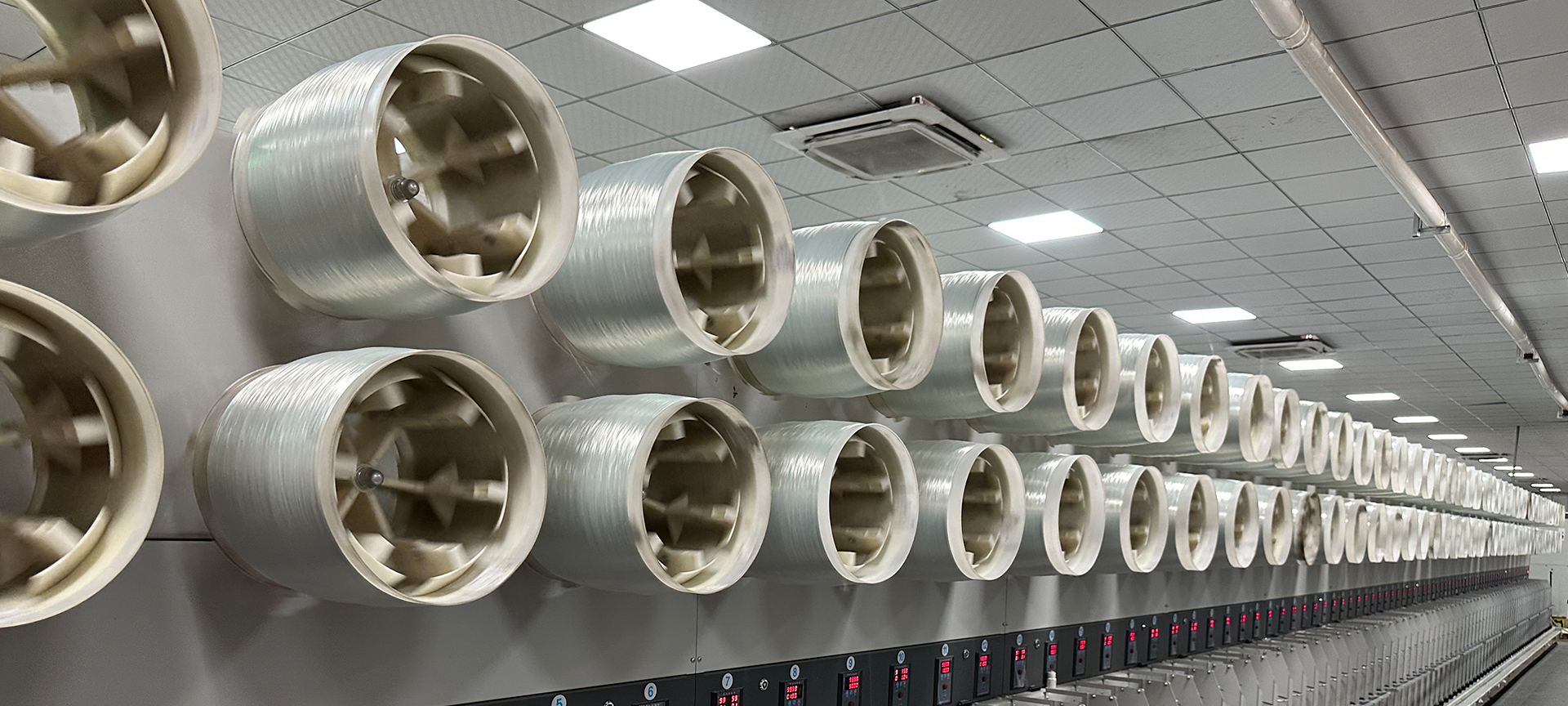
It’s tempting to think of factory optimization purely as a machinery or automation problem — faster winders, better resin baths, tighter PLC control. But in composite manufacturing, the roving is not a passive input; it actively determines how well your machine can perform. A winding machine set up perfectly for one roving’s sizing chemistry will underperform with a different supplier’s product, even if the tex and filament diameter on the spec sheet look identical.
This is because three roving-specific variables interact directly with your process parameters:
1. Sizing chemistry determines wet-out speed, resin compatibility, and how easily filaments bond to the matrix resin.
2. Filament diameter and tex (linear density) determine strand stiffness, how it behaves under tension, and how much resin it can carry.
3. Winding integrity (how the roving was wound onto the spool) determines unwind tension consistency, which directly affects breakage rate and line speed ceiling.
Below are the three areas where most factories find the biggest, fastest wins.
Common Glass Fiber Roving Mistakes That Quietly Cost Factories Money
Before walking through the three optimization levers in detail, it helps to name the mistakes that create the problems those levers are designed to fix. In our experience working with composite manufacturers across pipe, tank, panel, and pressure vessel production, the same handful of issues come up again and again:
- · Buying on price per kilogram alone, without factoring in how scrap rate and line speed change the real cost per finished part.
- · Switching suppliers mid-run to chase a short-term discount, without re-validating sizing compatibility and tension behavior first.
- · Assuming a spec sheet number guarantees consistency, when tex and filament diameter tolerances can still produce noticeably different processing behavior batch to batch.
- · Treating roving selection as procurement’s decision alone, with no input from the process engineers who will actually run it on the line.
- · Skipping trial runs before committing to volume, especially when a new supplier’s pricing looks too good to pass up.
Each of the three optimization strategies below is, in effect, a structured way to avoid one or more of these mistakes.
Way #1: Match Roving Type and Sizing Chemistry to Your Process — Not the Other Way Around
The most common cause of avoidable scrap in composite factories isn’t a defective batch of material. It’s a mismatch between the roving’s design intent and the process it’s being forced into.
Direct Roving vs. Assembled Roving: Choosing Correctly the First Time
If your line runs continuous, high-tension processes — filament winding for pressure vessels, pipes, or pultruded profiles — direct roving should almost always be your default. Its single-pass winding from the bushing means fewer cross-overs and snags on the spool, which translates directly into fewer filament breaks per running hour. For a factory running multiple shifts, the difference between a roving that breaks once a shift versus once an hour is the difference between hitting your output target and missing it.
Assembled roving still has a legitimate place — particularly for spray-up applications, chopped strand mat manufacturing, or lower-tension processes where cost-per-kilogram matters more than unwind consistency. The mistake is using assembled roving on a high-speed winding line because it was marginally cheaper per ton. The labor cost of stopping the line to re-thread broken strands, plus the scrapped partial layer, usually erases any savings within the first week.
Sizing Compatibility: The Variable Most Buyers Overlook
Sizing is the thin chemical coating applied to the glass filaments immediately after forming. It does three jobs: protects the filaments from abrasion during winding and unwinding, helps the strand stay together as a bundle, and — most importantly for downstream processing — determines how well the roving bonds to your specific resin system.
A roving sized for polyester resin will not wet out properly in an epoxy bath, and vice versa. The symptom isn’t always obvious failure; sometimes it’s just slower wet-out, meaning your line has to run slower to maintain part quality, silently capping your throughput. When evaluating a glass fiber direct roving product, always confirm:
- · Is the sizing formulated for your specific resin family (unsaturated polyester, vinyl ester, epoxy, polyurethane, or thermoplastics like PP and PA)?
- · Has the supplier validated wet-out time at your typical line speed, not just in a lab beaker test?
- · Does the sizing chemistry match your cure schedule (some sizings are optimized for fast-cure systems, others for longer gel times)?
A five-minute technical conversation with your supplier about resin compatibility, before placing a trial order, prevents weeks of troubleshooting a “bad batch” that was actually the right roving for the wrong resin.
Process-Specific Selection Checklist
For factories juggling multiple product lines, it helps to think in terms of process-matched roving categories:
- · Glass fiber roving for filament winding: prioritize direct roving, fast wet-out sizing, and consistent tex for uniform hoop and helical wind patterns.
- · Glass fiber roving for pultrusion: prioritize high tensile strength, low filament breakage under constant pulling tension, and sizing compatible with your pulling-die temperature profile.
- · Spray-up roving: assembled roving with good chopping characteristics (clean cut, minimal “fuzzing”) at the chopper gun.
- · CSM (chopped strand mat) production: roving optimized for binder compatibility and even fiber distribution after chopping.
Misapplying any of these — for example, running a CSM-optimized roving through a pultrusion die — produces the classic symptoms factories complain about: excessive fuzz, die clogging, and inconsistent fiber volume fraction in the finished profile.
How to Validate the Match Before You Commit to a Full Order
Even with a clear process-matched checklist, the only reliable way to confirm a roving truly fits your line is a structured trial — not a single test spool run for ten minutes and called “good.” A proper validation run should cover:
- · A full shift, not a sample reel. Defects related to winding consistency or sizing drift often only appear partway through a spool, not in the first few minutes.
- · Your actual resin batch, not a generic test resin. Resin formulations vary by supplier and even by batch; wet-out behavior validated on one resin doesn’t always transfer to another.
- · Your normal operating tension and speed settings, not artificially slowed-down “easy mode” settings that won’t reflect real production conditions.
- · A side-by-side comparison against your current roving, if you’re evaluating a switch, so the difference in breakage rate, wet-out time, and part quality is measured rather than estimated.
Factories that skip this step and move straight to full-volume ordering are the ones most likely to discover a mismatch only after several tons of material are already in the warehouse.
Way #2: Optimize Tension, Wet-Out, and Line Speed Through Better Roving-Process Synchronization
Once you’ve matched the right roving category and sizing to your process, the next optimization layer is mechanical: how your equipment handles the roving as it unwinds, wets out, and feeds into the forming process.
Tension Control: The Hidden Throughput Limiter
Every winding or pulling process has a tension “sweet spot.” Too little tension and the strand sags, causing uneven resin pickup and voids. Too much tension and you increase filament breakage, which not only stops the line but can leave broken filament fragments embedded in the part — a quality defect that’s expensive to catch late in production.
The roving’s own characteristics set the boundaries of that sweet spot. A roving with inconsistent winding tension on the spool (a manufacturing defect at the source) will force your tension control system to constantly compensate, which limits how fast you can run the line even if your equipment is capable of higher speeds. This is why two rovings with identical published specifications can perform very differently on the same machine — the difference is in manufacturing consistency, not the data sheet.
Practical optimization step: when trialing a new roving — whether from a current supplier’s new batch or a new glass fiber roving manufacturer — run a controlled tension-mapping test. Measure unwind tension variability across at least three full spools, not just one. A roving that looks fine on the first ten minutes of a trial spool can reveal winding defects later in the package.
Wet-Out Speed and Resin Bath Efficiency
Wet-out is the process of resin fully penetrating and surrounding each filament in the bundle. Faster, more complete wet-out at a given line speed means you can either run faster or achieve a more consistent fiber-to-resin ratio at your current speed — both are direct profitability levers.
Three factors control wet-out speed:
1. Sizing chemistry compatibility (discussed above)
2. Strand spread (how tightly the filaments are bundled — tighter strands resist resin penetration)
3. Resin bath formulation and temperature
If you’ve confirmed sizing compatibility and your resin bath is correctly formulated, but you’re still seeing slow wet-out, the next variable to investigate is strand integrity — whether the roving has been engineered to spread evenly under your specific guide and roller configuration. This is a question worth asking any fiberglass roving supplier directly, since it’s rarely listed on a standard spec sheet but makes a measurable difference on the line.
Line Speed Ceiling: Where Roving Quality Meets Equipment Capability
Many factories assume their line speed ceiling is purely a function of their machinery’s rated capacity. In practice, roving quality is frequently the actual limiting factor. A factory running a winder rated for 60 meters per minute, but capped at 35 due to filament breakage, isn’t getting an equipment problem — it’s getting a material consistency problem disguised as one.
When evaluating whether your current roving is leaving throughput on the table, look at three metrics over a full production week, not a single shift:
- · Average filament breaks per running hour
- · Number of full stops required for re-threading
- · Variation in final part weight or fiber volume fraction across the run
If these numbers are inconsistent week to week with the same equipment settings, the variable most likely to blame is roving consistency — which leads directly into the third optimization area: your supply chain.
A Simple Diagnostic Framework for Line Speed Problems
When a production line underperforms its rated speed, it’s tempting to immediately call in a maintenance team to inspect the machine. Before doing that, it’s worth running through a roving-first diagnostic, since it’s faster, cheaper, and often points directly at the real cause:
1. Check breakage location. Breaks happening consistently at the same guide or roller point usually indicate an equipment alignment issue. Breaks happening randomly along the strand, with no consistent location, usually point to roving quality or sizing brittleness.
2. Compare against a different spool from the same shipment. If breakage rate changes significantly between spools from the same batch, the issue is winding consistency at the source, not your equipment.
3. Compare against a known-good roving, if available. Running a short trial with a previously reliable roving on the same machine, same settings, isolates whether the problem travels with the material or stays with the equipment.
4. Review humidity and storage conditions. Glass fiber roving sizing can be sensitive to long-term storage in high-humidity environments, which can affect wet-out and increase brittleness over time — a factor that’s easy to overlook when troubleshooting “equipment” problems.
This four-step check typically takes under a day and resolves the majority of “is it the machine or the material” debates before they escalate into a full maintenance shutdown.
Way #3: Build Supply Chain Stability and Quality Control Around Your Roving Source
The first two optimization levers — matching roving type to process, and synchronizing tension and wet-out — only deliver lasting value if the roving you’re optimizing around stays consistent shipment after shipment. Many factories invest heavily in process tuning, achieve a great result with one batch, and then lose all of that gain when the next shipment arrives with a slightly different tex value or sizing pickup.
Why Batch-to-Batch Consistency Is a Bigger Lever Than Most Factories Realize
Composite processing equipment is tuned, often manually, to a specific roving’s behavior. A small shift in linear density (tex) changes how much resin the strand carries; a small shift in filament diameter changes stiffness and how the roving behaves around guide rollers. Individually these shifts seem minor — often well within stated tolerance on a spec sheet — but cumulatively, across a full production run, they show up as yield variation that’s hard to trace back to its source.
This is the strongest argument for working with a glass fiber roving manufacturer that controls its own production process tightly, rather than buying opportunistically from whichever distributor has the lowest price that week. Consistency, not just the headline spec, is what protects your process tuning investment.
Quality Control Questions Worth Asking Before You Commit to a Supplier
Before signing a long-term supply agreement, it’s worth pushing past the marketing copy and asking specific, verifiable questions:
- · What is the batch-to-batch tolerance on tex (linear density) and filament diameter, and how is it measured?
- · Is sizing pickup percentage tested per batch, or only periodically?
- · Can the supplier provide lot traceability if a quality issue is identified weeks after the material was used?
- · What is the typical lead time, and how does it vary seasonally or during raw material shortages?
- · Are samples available for a controlled trial run on your specific equipment before a full order is placed?
A supplier confident in their glass fiber roving quality control process will have straightforward, specific answers to all five questions. Vague answers — especially around traceability and batch testing — are a signal worth taking seriously before committing volume.
A Practical Way to Quantify the Impact of Inconsistent Roving
It’s easy to discuss “consistency” in the abstract. In practice, the impact becomes clear once you put rough numbers against it. Consider a mid-sized pipe manufacturing line running two shifts a day, five days a week. If inconsistent roving batches cause even a 5% increase in scrap rate compared to a consistent supplier, that 5% compounds across every shift, every week, every month — not as a one-time loss, but as a permanent tax on output until the root cause is fixed.
The same logic applies to line speed. A factory that can sustain even a modest, reliable increase in line speed because its roving unwinds cleanly and wets out quickly will out-produce a competitor running identical equipment with a less consistent material — without spending a dollar on new capital equipment. This is the core argument for treating supplier consistency as a production variable worth tracking with the same rigor as machine uptime or cycle time, rather than a procurement afterthought reviewed only when a contract renews.
For factories that haven’t historically tracked these metrics, a simple starting point is to log three numbers weekly for 60 days: scrap rate, average sustained line speed, and number of unplanned stops attributed to material issues. Comparing these numbers before and after a supplier change — or before and after implementing the trial-validation process described earlier in this guide — gives you a concrete, defensible basis for procurement decisions, rather than relying on anecdotal impressions from the production floor.
Inventory Strategy: Avoiding the Two Most Common Supply Chain Mistakes
Factories tend to make one of two opposite mistakes with roving inventory:
1. Over-ordering single-sourced material to chase a marginally lower glass fiber roving price, which creates exposure if that one supplier has a quality lapse or delivery delay — you have no fallback and a warehouse full of one batch.
2. Under-ordering with no buffer, leaving the factory exposed to even minor shipping delays, which cascades into missed production schedules and rushed orders from whatever supplier can deliver fastest, often at the cost of process-matched quality.
A more resilient approach sits between these extremes: maintain a primary supplier relationship for the bulk of volume (to preserve process consistency and pricing), while keeping a qualified secondary source validated and ready — not necessarily for ongoing volume, but as a tested fallback. The qualification work (running the trial, confirming sizing compatibility, mapping tension behavior) should happen before you need it, not during a supply emergency.
Total Cost of Ownership vs. Sticker Price
It’s worth stating plainly: the cheapest glass fiber roving price per kilogram is rarely the cheapest roving once you account for scrap rate, line speed achieved, and downtime from breakage. A roving priced 5% higher that reduces filament breakage by even a small margin, or allows a 10% increase in sustainable line speed, typically pays for the price difference within the first production run. Procurement decisions made purely on unit price, without factoring in these downstream effects, are one of the most common — and most quietly expensive — mistakes in composite manufacturing purchasing.
How CQDJ Approaches Glass Fiber Roving for Factory Optimization
At CQDJ, we work from the same principle this article is built around: the roving is not a commodity input to be purchased on price alone — it’s a process variable that determines how well your equipment, your operators, and your resin systems perform together.
That means our conversations with factories typically start with your process, not our product catalog. Before recommending a specific direct roving, assembled roving, E-glass, or ECR glass fiber roving formulation, we look at your resin system, your target line speed, and the specific failure patterns you’ve been experiencing — whether that’s filament breakage, slow wet-out, or batch-to-batch inconsistency from a previous supplier.
If you’re currently troubleshooting one of the issues described above — inconsistent tension behavior, sizing that doesn’t match your resin, or unreliable lead times from your current source — we’re glad to walk through your specific setup and discuss whether a trial run makes sense. [Contact our technical team] to talk through your application, or [browse our glass fiber roving product range] to see formulation options across direct roving, assembled roving, E-glass, and ECR glass compositions.
We’d also note that the right starting point isn’t always a full product discussion. Sometimes the most useful first step is simply sending us your current breakage logs, line speed data, or a sample of the roving you’re currently running, so we can look at the actual numbers before recommending anything. That approach tends to produce more useful answers than a generic specification comparison, because it grounds the conversation in your specific equipment and process rather than a one-size-fits-all recommendation.
Frequently Asked Questions About Glass Fiber Roving
What is the difference between direct roving and assembled roving?
Direct roving is wound straight from the glass-forming bushing in a single pass, which gives it more consistent unwind tension and fewer filament breaks — making it the standard choice for continuous, high-speed processes like filament winding and pultrusion. Assembled roving combines multiple single-end strands after an initial winding step, making it more economical but generally less suited to high-tension, high-speed applications.
How do I know if my glass fiber roving is compatible with my resin system?
Compatibility comes down to the sizing chemistry applied to the roving during manufacturing. Ask your supplier whether the specific sizing formulation has been validated for your resin family (polyester, vinyl ester, epoxy, polyurethane, or thermoplastics) and, ideally, request wet-out test data at a line speed comparable to your own process rather than relying solely on lab-scale results.
Why does my roving perform differently from batch to batch even with the same specifications listed?
Published specifications like tex and filament diameter typically include a tolerance range. Small shifts within that range — combined with variation in sizing pickup percentage or winding consistency on the spool — can change how the roving behaves on your equipment even though it technically meets spec. This is why batch-to-batch quality control and lot traceability from your supplier matter as much as the headline numbers on a data sheet.
Is a higher-priced glass fiber roving worth the extra cost?
Often, yes. Unit price is only one part of the cost equation. A roving that reduces filament breakage, supports a faster sustainable line speed, or maintains tighter batch-to-batch consistency can lower your total production cost even at a higher price per kilogram, because scrap reduction and reduced downtime typically outweigh a small price premium.
What’s the best glass fiber roving for filament winding specifically?
For most filament winding applications, direct roving with a sizing formulated for fast wet-out and strong compatibility with your specific resin system (commonly epoxy for high-performance pressure vessels, or polyester/vinyl ester for general FRP pipe and tank applications) performs best. The exact tex and filament diameter should be matched to your winding pattern and target wall thickness — a supplier with filament winding experience can help narrow this down based on your part design.
How can I reduce filament breakage on my production line?
Start by isolating whether the cause is tension-related, sizing-related, or a winding-consistency issue from the roving itself. Run a controlled trial measuring unwind tension variability across multiple full spools, confirm your resin bath and sizing are compatible, and check whether your equipment’s tension settings match the roving manufacturer’s recommended operating range. If breakage persists despite correct settings, the root cause is often inconsistent winding at the source — a quality issue worth raising directly with your supplier.
What’s the difference between E-glass and ECR glass fiber roving, and how do I choose?
E-glass roving is the standard, general-purpose choice for most FRP applications, offering good mechanical strength and electrical insulation at a lower cost. ECR glass fiber roving is formulated for significantly better resistance to acid, moisture, and chemical degradation, making it the right choice for chemical storage tanks, underground pipe, marine structures, or any application where the part will face sustained chemical or moisture exposure. If your end product will spend its service life in a corrosive or wet environment, the modest price premium for ECR glass is almost always justified by extended service life.
Should I single-source my glass fiber roving or work with multiple suppliers?
Most factories are best served by a primary supplier relationship that handles the bulk of volume — preserving process consistency and pricing leverage — combined with a qualified secondary source kept validated as a fallback. The key word is “qualified”: the secondary supplier’s material should be trial-tested and process-matched in advance, not brought in for the first time during a supply emergency, when there’s no time to properly validate sizing compatibility or tension behavior.
Final Thoughts: Treat Roving Selection as a Process Decision, Not a Procurement Line Item
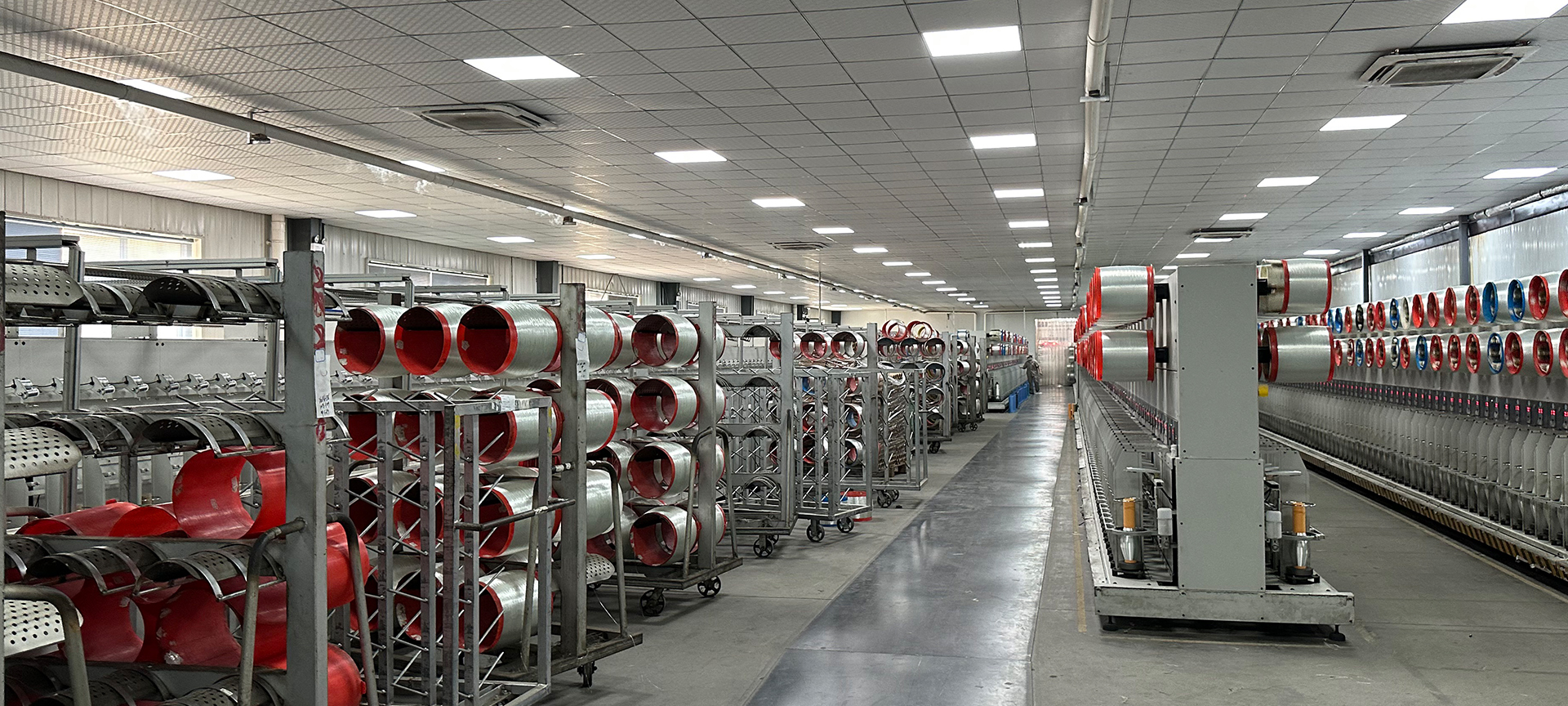
The factories that get the most consistent output from their composite production lines tend to share one habit: they treat glass fiber roving selection as an engineering decision made jointly with procurement, not a line item handed off to whoever quotes the lowest price. Matching roving type and sizing to your specific process, tuning tension and wet-out around the roving’s real behavior — not just its spec sheet — and building a supply chain that protects batch-to-batch consistency are the three levers with the most direct, measurable impact on factory output.
None of these require new capital equipment. They require asking better questions of your current or prospective glass fiber roving manufacturer, running disciplined trials before committing to volume, and tracking the metrics — breakage rate, line speed, scrap percentage — that reveal whether your material is actually supporting your process or quietly limiting it.
If there’s one habit worth adopting immediately, it’s this: before your next roving purchase order goes out, route it past whoever actually runs the line, not just whoever negotiates the price. A five-minute conversation between procurement and process engineering — confirming sizing compatibility, checking recent breakage trends, and flagging any planned process changes — costs almost nothing and consistently prevents the most expensive mismatches described throughout this guide. Factories that build this checkpoint into their standard purchasing workflow tend to see fewer surprise quality issues within the first two or three ordering cycles, simply because the people closest to the actual failure points are weighing in before the material arrives, not after a problem shows up on the line.
Post time: Jun-24-2026


