

In the advanced composites market, the difference between “good” and “exceptional” often comes down to the molecular level. For engineers in aerospace, telecommunications, and semiconductor manufacturing, standard glass fibers often hit a performance ceiling.
That is where Quartz Fiber takes over.
As a direct Quartz Fabric Manufacturer, we know that our clients aren’t looking for a generic material. You’re looking for a predictable “electromagnetic window” that won’t fail when the heat hits 1000°C.
This guide cuts through the marketing noise. We’re going to look at what quartz fibre actually is, why the quartz fiber vs glass fiber debate isn’t even a contest at high frequencies, and how you can secure a reliable quartz fiber fabric price without compromising on purity.
1. What is Quartz Fibre? (And why it’s not just “Glass”)
Let’s clear the air: if you are wondering what is quartz fibre, don’t confuse it with standard glass. While E-glass or S-glass are “cocktails” of various minerals, Quartz Fibers are drawn from nearly pure natural quartz crystals.
The result is a 99.9% SiO2 content. In this business, that extra purity isn’t just a number—it’s the difference between a signal that passes through cleanly and one that gets distorted. It’s the high-performance evolution of fiberglass, built for environments where standard materials simply fail.
What color is quartz fiber fabric?
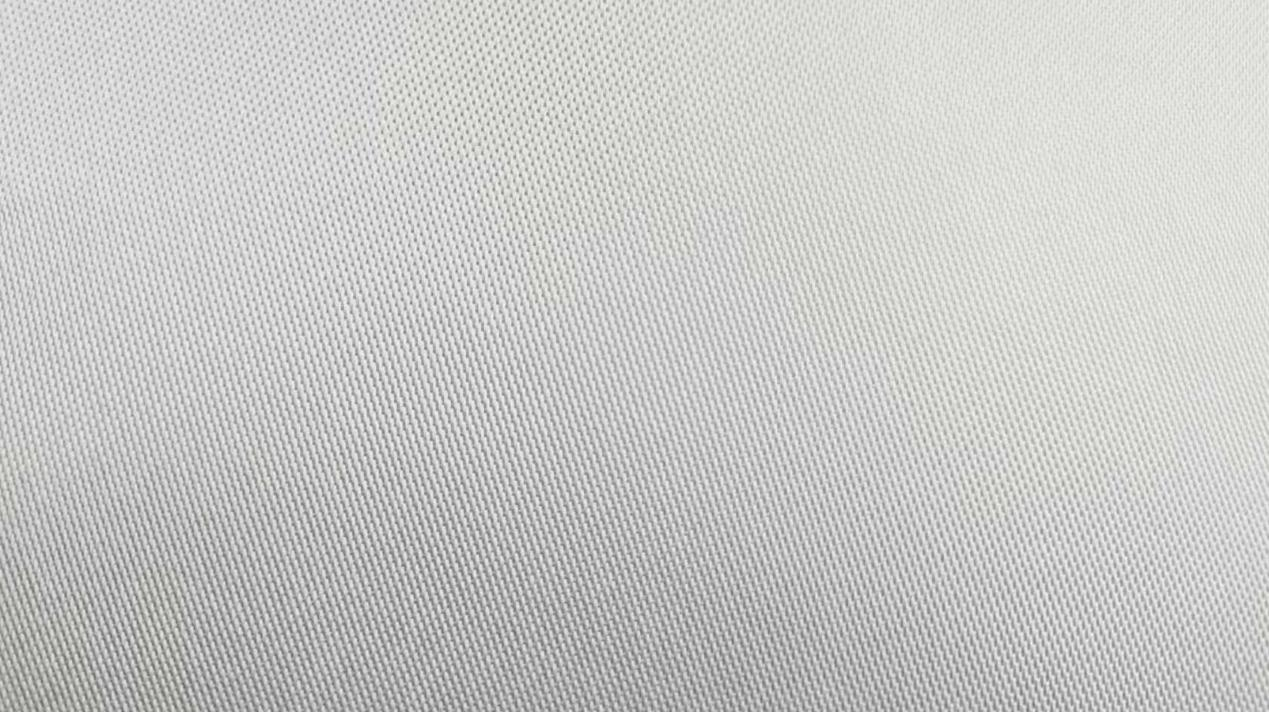
In procurement, you can often judge quality by eye. What color is quartz fiber fabric? True, high purity quartz fabric is stark, brilliant white with a distinct silky luster. It lacks the greenish or yellowish tint you’ll see in lower-grade glass fibers. If your “quartz” looks dull or off-white, you aren’t looking at 99.9% purity.
What is fiber fabric? (The Industrial Context)
At the technical level, what is fiber fabric? It’s more than just “cloth.” It’s an engineered textile produced by interlacing high-modulus fibers into a stable, woven structure. For our clients, this creates a Quartz Fiber Woven Fabric that gives you the best of both worlds: the chemical “shrug-off” of pure quartz and the mechanical flexibility needed to wrap complex molds and aerodynamic shapes.
2. Quartz Fiber vs Glass Fiber: The Dielectric Showdown
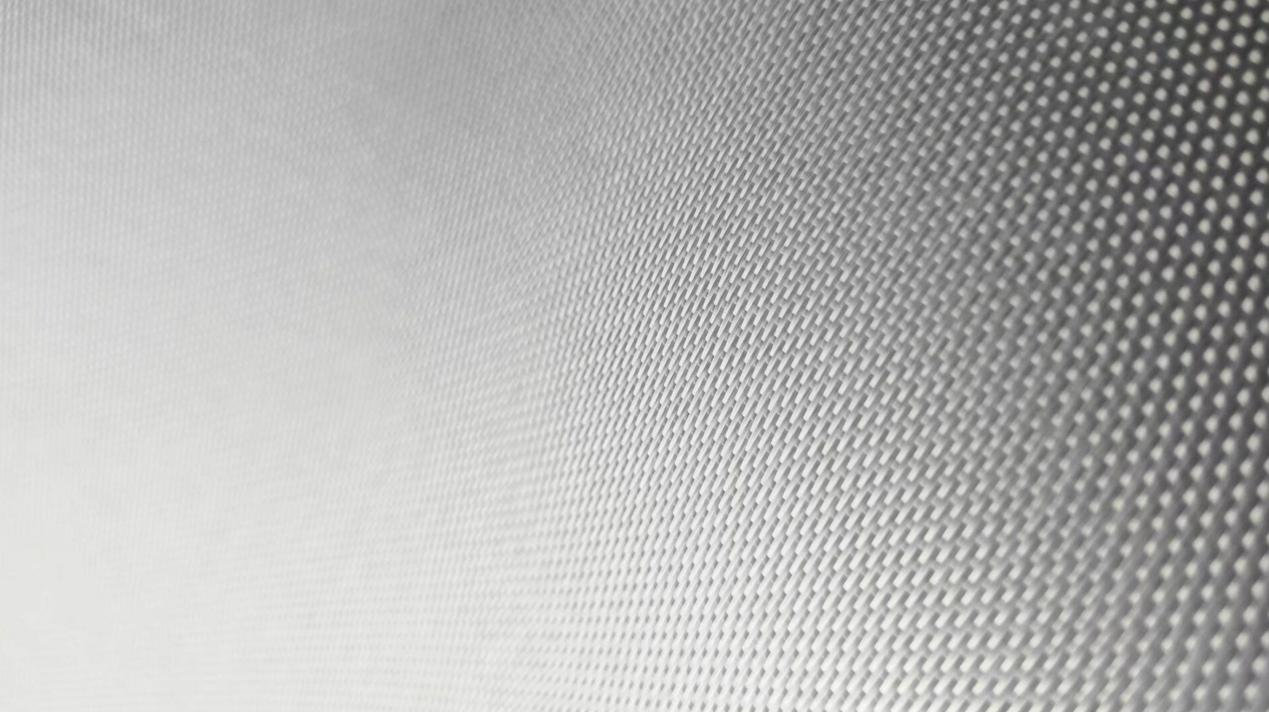
When comparing quartz fiber vs glass fiber, the most critical metrics for radome and antenna applications are the Dielectric Constant (Dk) and Loss Tangent (Df).
| Property (@ 10GHz) | E-Glass Fiber | S-Glass Fiber | Quartz Fiber (CQDJ) |
| Dielectric Constant (Dk) | 6.13 | 5.21 | 3.74 |
| Loss Tangent (Df) | 0.0050 | 0.0030 | 0.0005 |
| Thermal Resistance | ~600°C | ~850°C | 1050°C (Continuous) |
The Professional Insight: The 99.9% SiO2 Fabric provides a “wave-transparent” window. If you are building a radar housing, using Quartz Fiber Cloth instead of glass fiber can increase signal range by up to 30% while reducing thermal noise.
3. High Temperature & Chemical Resistance
One of the standout features of our Quartz Woven Fabric is its Thermal Resistance (1050°C). While standard fibers begin to soften or lose structural integrity at 600°C, quartz remains stable.
1.High Purity Silica Fabric / Cloth: Our fabric can withstand short-term exposure up to 1500°C.
2.Chemical Inertness: It is highly resistant to most acids (except hydrofluoric) and halogens, making it ideal for semiconductor “clean room” environments.
4. Selecting the Right Weave for Your Project
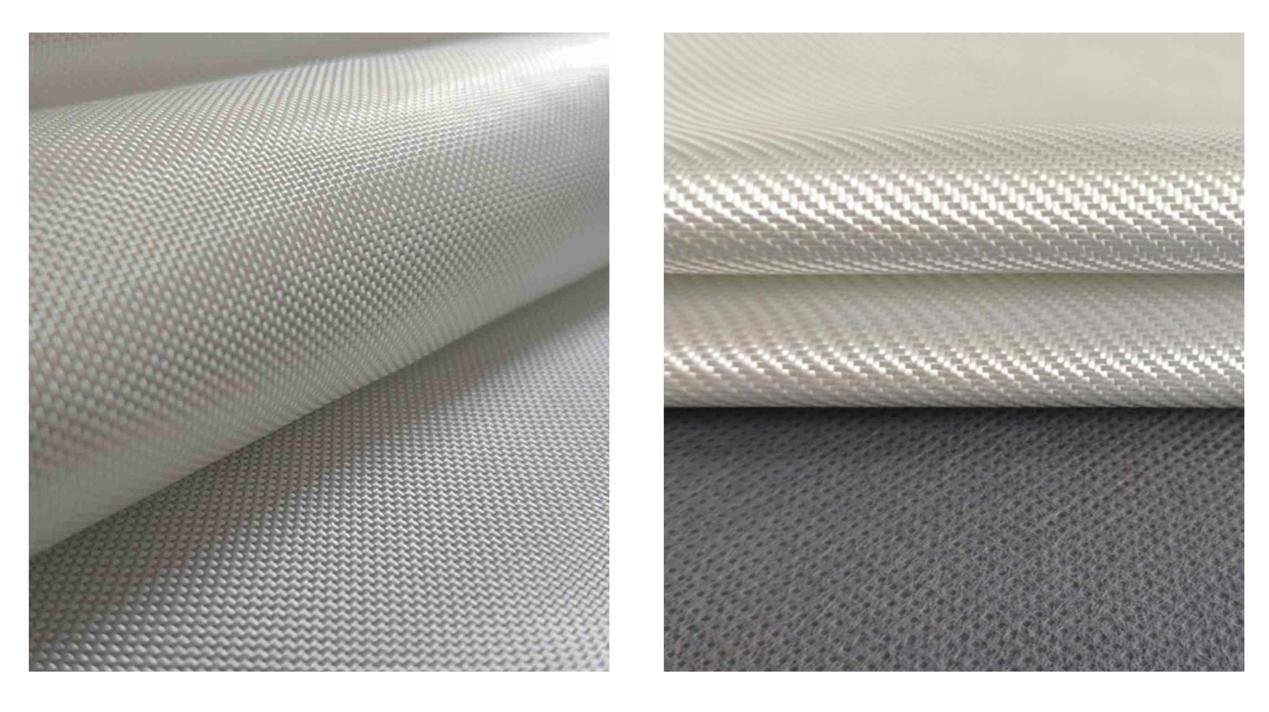
As a Quartz Fabric Supplier, we offer various weaving patterns to meet specific structural needs. Whether you call it Quartz Fibre Fabric (UK spelling) or Quartz Fiber Fabric (US spelling), the weave determines the performance:
1.Satin Weave: Best for curved radomes and complex aerospace molds.
2.Plain Weave: Ideal for flat antenna covers and high-temp gaskets.
3.Custom Quartz Woven Cloth: We can adjust the areal weight (gsm) and thickness to meet your specific quartz fiber cloth TDS requirements.
5. Sourcing and Logistics: The Business of Quartz
If you are searching for quartz fiber fabric for sale, you likely have questions about pricing and availability.
Quartz Fiber Fabric Price
The quartz fiber fabric price is higher than standard fiberglass due to the purity of the raw material and the energy-intensive manufacturing process. However, for “mission-critical” projects, the ROI comes from increased equipment lifespan and signal accuracy.
Finding Quartz Fiber Fabric Suppliers
When evaluating quartz fiber fabric suppliers, don’t just look at the price. Look for:
•Technical Documentation: Does the supplier provide a Quartz Fabric TDS / SDS / Price List?
•Wholesale Capability: Can they handle Wholesale Quartz Fiber Fabric orders with consistent batch-to-batch quality?
•Expertise: Do they understand the difference between a 4-harness and 8-harness satin for radomes?
6. Applications: Where Performance is Non-Negotiable
Our Quartz Fiber Cloth is currently serving in:
•Aerospace: Leading-edge radomes and missile nose cones.
•Telecommunications: 5G/6G mmWave antenna housings.
•Semiconductor: Furnace curtains and wafer processing components.
•Automotive: High-performance heat shields for racing and EV battery protection.
Conclusion: Why Choose CQDJ?
At Chongqing Dujiang Composites (CQDJ), we are more than just a factory. We are your technical partners in high-performance materials. We provide 99.9% SiO2 quartz cloth that meets international standards, backed by 7+ years of industry expertise.
Whether you are looking for a Custom Quartz Woven Cloth or a reliable Quartz Fabric Manufacturer for a large-scale project, we have the capacity and the technical “know-how” to deliver.
Contact us today for:
•Quartz Fabric Price List
•Full Quartz Cloth TDS / SDS / SDS Documents
Custom Sample Requests
[Request a Quote for Wholesale Quartz Fiber Fabric] [Talk to a Technical Engineer]
Post time: May-13-2026


