

The Real-World Guide to Epoxy Vinyl Ester Resin: What You Actually Need to Know
In the composites world, material selection is usually a balancing act between budget, strength, and how fast you can turn a mold. Most people get stuck between standard epoxy and cheap polyester, ignoring the real workhorse of the industry: Epoxy Vinyl Ester Resin.
It’s not just a “middle ground” product. If you’re building something that needs to last in the real world—not just on a spec sheet—this is the chemistry you should be looking at.
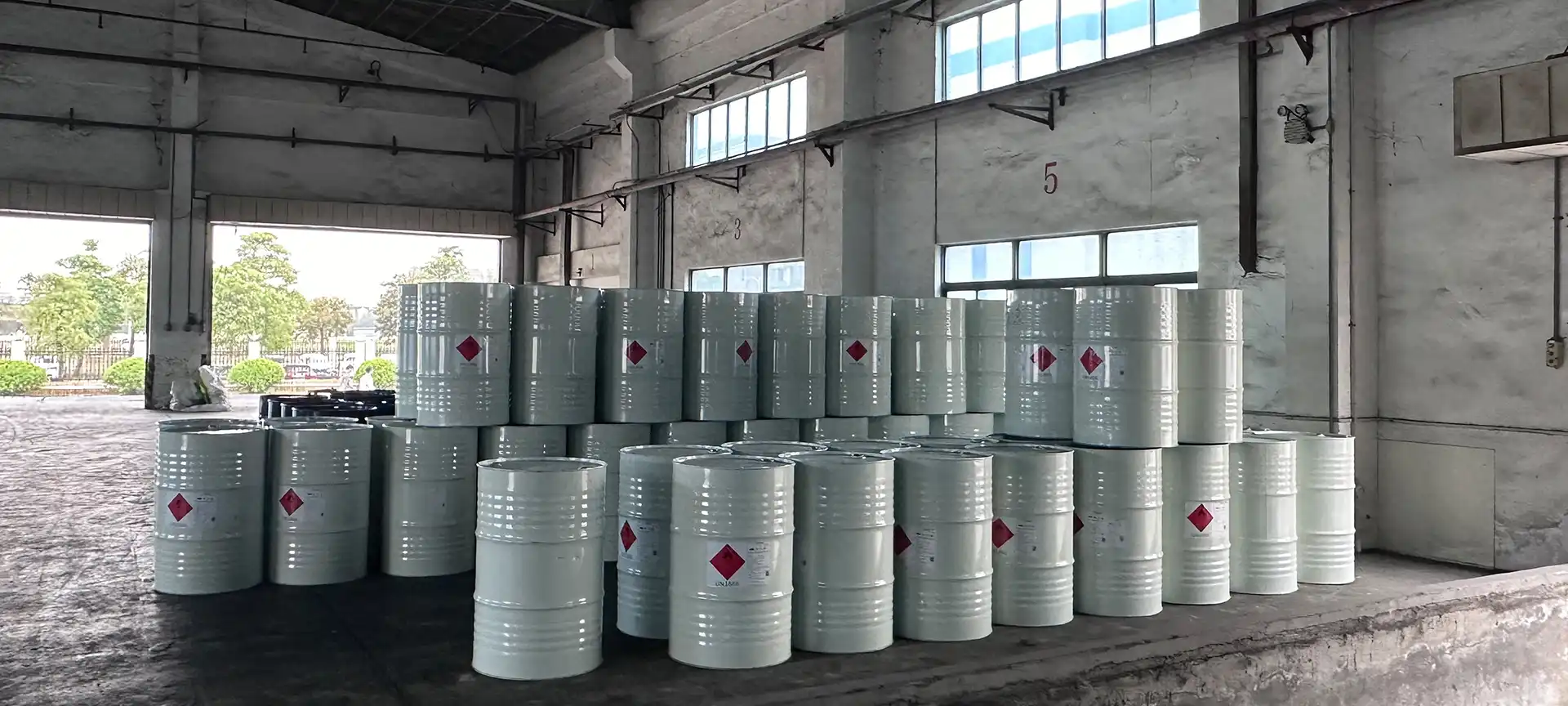
1. Why It’s the “Engineer’s Silent Powerhouse”
A lot of people mistake vinyl ester for just an “upgraded polyester.” That’s a fundamental misunderstanding. Because its backbone is derived from epoxy, it brings inherent toughness to the table. When you’re using it on the shop floor, here is how it actually behaves:
The Anti-Osmosis Expert: In the marine industry, osmosis (blistering) is the silent killer. Epoxy vinyl ester resin is significantly more hydrophobic than polyester and cures faster than epoxy resin. It creates a dense, impenetrable barrier that actually holds up against water intrusion.
Built for Fatigue: It has a unique ability to “wet out” fiberglass perfectly. That strong bond between resin and fiber is the difference between a part that fails under cyclic loading and one that handles it for years.
Industrial Toughness: In chemical piping or scrubber systems, it’s the go-to. It doesn’t just resist acids; it maintains its structural integrity in environments that would turn standard epoxy brittle.
2. Cutting Through the “Grades” (What’s Hype vs. Reality)
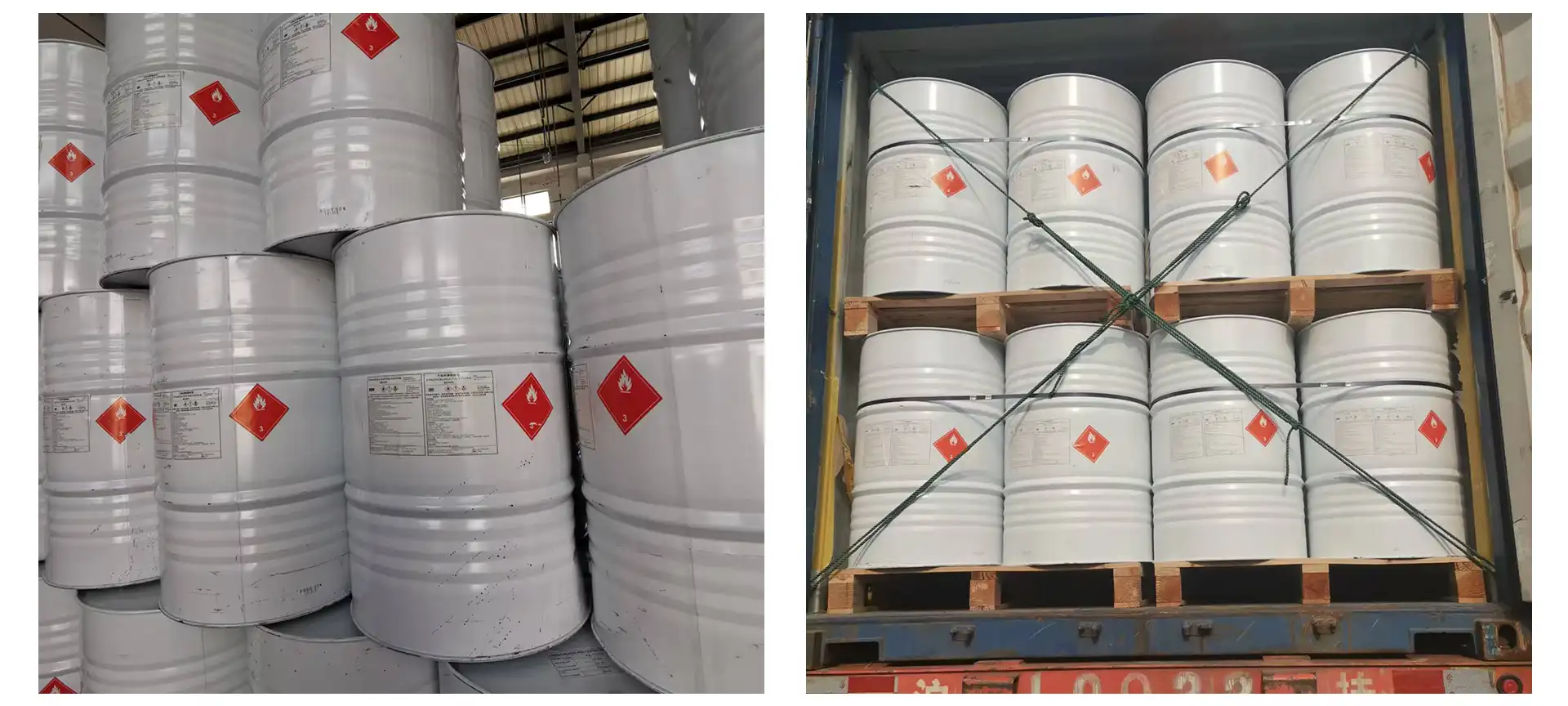
Don’t get blinded by marketing terms like “Super” or “Clear.” When you’re sourcing, look for these functional characteristics:
Marine Grade: Don’t just look for “water-resistant.” You need to verify the hydrolysis resistance. If you’re building a performance hull or anything submerged long-term, the resin needs to be specifically formulated to stop the chemical breakdown that leads to osmotic blistering.
Clear Grade: This is essentially standard epoxy vinyl ester resin stripped of pigments and fillers. It’s great for decorative work, but be warned: it isn’t magic. It will still yellow under heavy UV exposure, so you absolutely need a UV-stabilized clear coat over the top if it’s going outdoors.
Glass Reinforced Systems: The resin is only half the battle. The compatibility between your resin and the glass fiber’s “sizing” is where the real strength comes from. If your supplier can’t tell you if their resin is compatible with your specific E-glass or multiaxial fabric, you’re asking for delamination later on.
3. The Price Reality: Beyond the Sticker Tag
When checking the vinyl ester resin price, don’t just compare dollars per kilogram.
Think about your turnover time. Vinyl ester resin cures faster and more reliably than epoxy. If you can pull your parts out of the mold 20% faster, you’ve just saved more money on labor and mold depreciation than you spent on the slightly higher resin cost.
When you call a supplier, ignore the “For Sale” sales pitch and ask these three questions:
Gel Time Data: What’s the shelf life once I mix in the catalyst? If the temperature is 30°C in your shop, you need to know how long you actually have to work with it.
Viscosity Profile: Is it optimized for hand-layup, or is it thin enough for vacuum infusion? Buying the wrong viscosity will ruin your infusion cycle.
MEKP Sensitivity: Epoxy vinyl ester resin is sensitive to the quality of your catalyst. Ask for their recommended MEKP (Methyl Ethyl Ketone Peroxide) ratio and stick to it.
4. The “Field Manual” for Avoiding Failures
I’ve seen enough ruined batches to know where it usually goes wrong. Keep these three rules in mind:
Humidity is the Enemy: Even though it’s great for marine use, high ambient humidity (80%+) during the cure will leave you with a “tacky” surface. It’s a pain to sand and usually means the top layer didn’t cross-link correctly.
It’s Not a Structural Adhesive: A common mistake is treating vinyl ester like a two-part structural epoxy glue. It’s not. It relies on styrene cross-linking. Don’t expect it to bridge wide gaps or hold structural load-bearing joints the way a dedicated structural epoxy adhesive would.
Ventilation isn’t Optional: The styrene smell is heavy. Beyond the health risks, poor ventilation can affect the cure rate. Keep the airflow moving.
The Verdict
If you are currently stuck in that “Goldilocks” zone—where epoxy is too expensive and slow, but polyester is just too weak—Epoxy Vinyl Ester is the only logical answer.
It’s the best balance of mechanical performance, heat distortion resistance, and production efficiency on the market. Once you dial in your heat distortion and chemical resistance needs, you stop worrying about the material failing and start focusing on the build.
Are you in the middle of a build and hitting a specific issue with your current resin system, or are you just trying to spec out the right material for a new project?
Post time: Jul-22-2026


