

Vinyl Ester Resin: What 35 Years in the Trenches Taught Me About Sourcing It Right
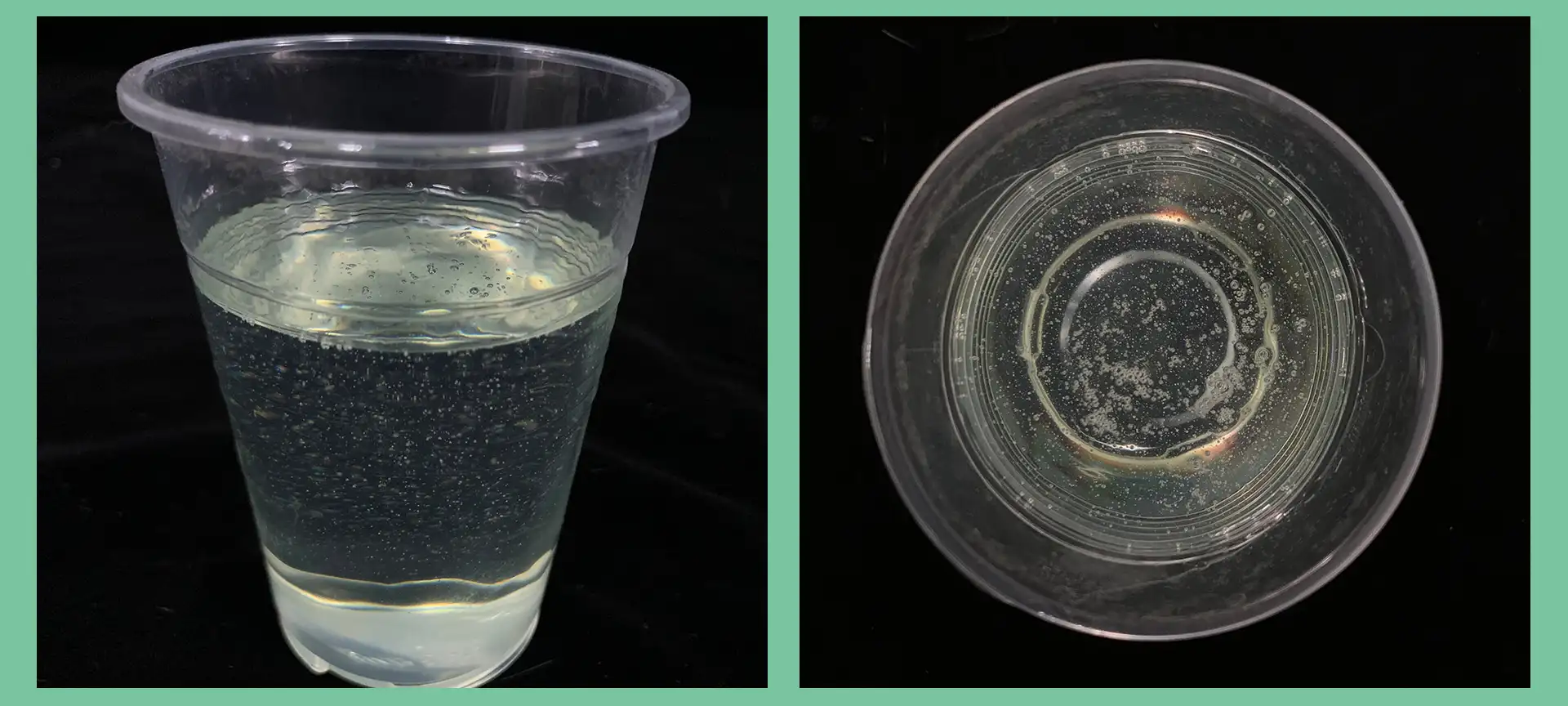
I’ve been in composites since 1989. Thirty-five years of breathing styrene, burning my fingers on exotherming laminate, and dealing with suppliers who promise the world and ship garbage. If you’re reading this, you probably need vinyl ester resin for something that matters. A chemical tank. A boat hull. A scrubber duct. I’m going to tell you what I’ve learned about finding a vinyl ester resin supplier who won’t ruin your project. I have opinions. I’m not going to soften them.
Stop Confusing Vinyl Ester with Polyester
Vinyl ester resin is epoxy’s cousin. You take an epoxy backbone and react it with methacrylic acid. The ester groups end up at the chain ends only. That’s the whole genius of the molecule. Fewer ester groups mean fewer attack points for acid and alkali.
Polyester has ester groups all along the chain. That’s why polyester tanks crack after five years in chemical service. Vinyl ester tanks last twenty. I’ve cored both. The difference is not subtle.
I’ve watched buyers sub in isophthalic polyester because “it’s close enough.” It’s not close enough. Isophthalic is good resin. It is not vinyl ester resin. If your customer specified vinyl ester and you ship iso polyester, you will get caught. The lab test takes fifteen minutes. Then your name is on the failure report. Don’t do it.
Epoxy outperforms vinyl ester on paper. In practice, epoxy costs double, needs post-cure ovens, and your laminators will hate working with it. Vinyl ester resin processes almost like polyester. You can hand lay it, spray it, pultrude it, run it in RTM. That processing flexibility is why vinyl ester resin dominates the mid-tier corrosion market. Epoxy owns aerospace. Polyester owns the cheap stuff. Vinyl ester owns everything in between.
The Price Conversation Nobody Wants to Have Honestly
Here’s what a vinyl ester resin manufacturer actually charges. Standard bisphenol-A vinyl ester runs 2,800 to 3,500 per ton. Novolac epoxy vinyl ester — the high-temp grade — sits at 3,800 to 4,500. Epoxy starts at 4,500 and climbs past 7,000. Ortho polyester is under $1,800.
Vinyl ester resin costs roughly double what iso polyester costs.
But in 30% sulfuric acid, vinyl ester lasts three to five times longer.
I pulled cores from a chemical tank last year. Fifteen years in service. The vinyl ester liner was still intact. Same tank, polyester backup liner, same service conditions. I could crumble that polyester resin with my thumb and forefinger.
So when a procurement manager tells me vinyl ester is too expensive, I ask one question. What does the tank cost when it fails? The environmental cleanup alone runs ten times the resin cost. The lawsuit runs higher. The math is simple. People just don’t want to do it because the upfront number looks big on the PO.
A good vinyl ester resin supplier helps you build that lifecycle case. A bad one just quotes a per-kilogram price and disappears.
Trader or Manufacturer — Learn to Tell the Difference
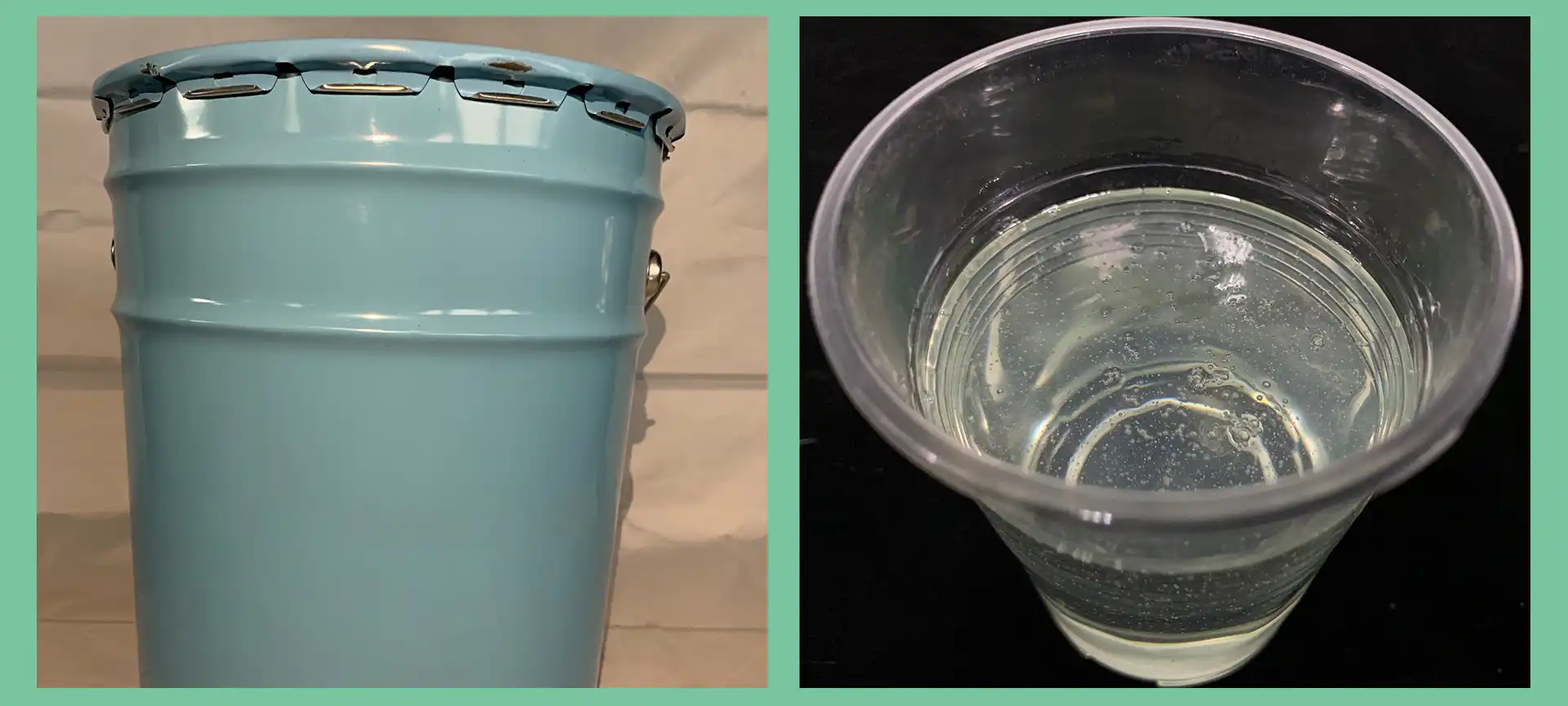
Half the companies on B2B platforms calling themselves a “vinyl ester resin supplier” are traders. They don’t own a reactor. They don’t have a lab. They buy from a factory that buys epoxy from another factory. The resin shows up at your dock with batch numbers that don’t match the CoA. Viscosity is off by 40%. You call to complain. Nobody picks up.
Here’s how you weed them out fast.
Ask for reactor photos with the current date on a piece of paper in the shot. Ask for monthly output in metric tons. Ask for CoAs from three consecutive batches. A real vinyl ester resin manufacturer answers these questions on the spot. A trader says “let me check and get back to you.” That sentence tells you everything.
I visited a “manufacturer” in 2019 who had a beautiful website showing a spotless reactor hall. I showed up in person. The facility was a warehouse with relabeled drums. No reactor. No lab. One guy with a phone. I walked out. My competitor didn’t. He lost $80,000 on a bad batch that gelled in the drum during shipping. The “supplier” blocked his number.
Properties That Matter on the Shop Floor, Not on the Brochure
I don’t care about the data sheet. I care about what happens when the resin hits the mold.
Viscosity. If it’s above 500 mPa·s at 25°C, your laminators will fight the wet-out on woven roving. They’ll thin it with styrene. Now you’ve diluted the resin. Properties drop. The supplier blames you for adding styrene. You blame the supplier for sending thick resin. I’ve watched this argument happen a hundred times. The fix is simple. Buy from a vinyl ester resin manufacturer who controls viscosity between 200 and 400 mPa·s. Consistently.
Gel time. I worked with a batch once that gelled in 12 minutes at 35°C shop temperature. Twelve minutes. You can’t lay up a manway fitting in twelve minutes. You need 25 to 40 minutes of working time for serious hand lay-up work. The vinyl ester resin supplier should adjust the promoter package to match your shop. More cobalt naphthenate for cold shops. Less for hot ones. BPO if you’re curing below 15°C. If the supplier can’t adjust the cure system, they’re selling you a fixed formula and expecting you to make it work. That’s backwards. The resin works for you. You don’t work for the resin.
Barcol hardness. Should hit 35 to 40 within 24 hours at room temp. Stuck at 28 after two days means something is wrong. Either the MEKP percentage is off, or the resin is old, or the promoter has degraded from poor storage. I’ve seen “fresh” resin that was actually eighteen months old because it sat in a distributor’s hot warehouse. The promoter had already started reacting inside the drum. You get sluggish cures and tacky surfaces that never fully harden.
Where I’ve Seen Vinyl Ester Win — and Where People Waste Money
I’ve specified vinyl ester resin for chemical storage tanks, scrubber ducts, marine hulls, buried pipe, and pultruded structural profiles. It works. It works really well in corrosive service and anywhere you need a 20-year design life.
Chemical plants. That’s the big one. Vinyl ester resin is the standard lining material for secondary containment. If you’re building a tank that holds 30% hydrochloric acid, there is no cheaper alternative that survives. I’ll state that flatly.
Marine. Saltwater eats polyester. Vinyl ester holds up for decades. Smart boat builders use vinyl ester for the outer skin below the waterline and switch to polyester for interior structure. You get the corrosion barrier where you need it. You save money where you don’t.
But here’s where I get annoyed. I’ve seen engineers specify vinyl ester for a water tank at ambient temperature. Water. Room temperature. Iso polyester handles that for twenty years at half the cost. I tell clients this even when it means I sell less resin. If you over-specify, you’re wasting your customer’s money. Eventually they figure that out and find someone who’ll be honest with them.
Storage Will Kill Your Profit Margin
Vinyl ester resin has a shelf life of 3 to 6 months at 25°C. Every 10°C above that cuts the shelf life in half.
I’ve seen buyers order a full container, park it in a sheet-metal warehouse in July, and wonder why the resin gelled in the drum after eight weeks. Heat kills vinyl ester. The promoter starts reacting. The viscosity climbs. One morning you open a drum and it’s solid.
If your vinyl ester resin supplier ships from overseas, you lose 3 to 4 weeks of shelf life in transit. Customs eats another week. Your warehouse sits on it for a month. You might have six weeks of usable life left when you actually open the first drum.
Order smaller quantities more frequently. The per-kilogram price ticks up slightly. You throw away far less resin. I switched a client from bulk tanker delivery to monthly IBC totes. His waste dropped from 12% to under 2%. The math worked.
Certifications Are Not Optional
ISO 9001 is the floor. If your vinyl ester resin manufacturer doesn’t hold it, end the conversation.
Shipping to Europe? You need REACH registration. No REACH, no customs clearance. I watched a client’s entire container get held at Rotterdam for three weeks. The resin lacked REACH documentation. Demurrage charges exceeded the resin value. The supplier shrugged.
Marine applications need DNV or ABS type approval. Flame-retardant grades need UL 94 V-0. Verify the certificate covers the specific grade you’re buying. I’ve caught suppliers showing a UL cert for a different product line and hoping I wouldn’t notice. I noticed.
What I Tell Every New Client
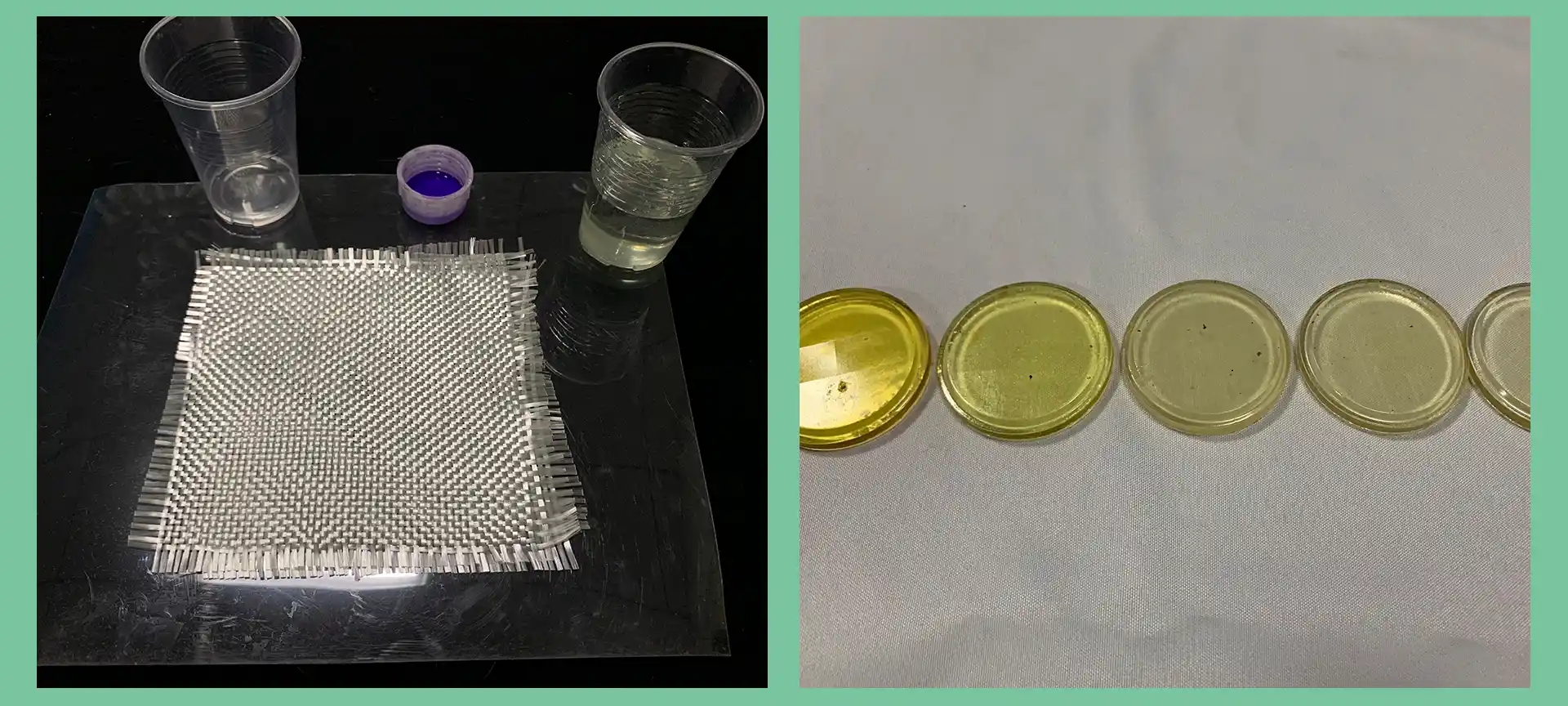
Find a vinyl ester resin manufacturer who tests every batch and sends the CoA before you ask. The chemist on staff should answer the phone when your resin won’t cure. Packaging needs to survive three weeks in a container. Documentation should arrive before you chase it.
Trial order first. Always. One to five tons. Run it through your actual production line. Not the lab. The lab lies. The shop floor tells the truth. Document the gel time at your shop temperature. Check the wet-out on your specific reinforcement. Time the demold. Look for pinholing and fish-eyes on the gelcoat surface.
Then compare it head-to-head with whatever you’re running now. If the new resin cures faster, wets out better, and the surface is clean, you’ve found your supplier. If any of those things are worse, keep looking.
I’ve worked with vinyl ester resin suppliers from China, India, Europe, and the US. Good ones exist everywhere. Geography doesn’t determine quality. Process control determines quality. A well-run factory in Shandong beats a sloppy operation in Stuttgart. I’ve seen both.
The cheapest resin is never the cheapest resin. I learned that in 1997. Paid for it with a failed tank and a very angry customer. The lesson hasn’t changed in 28 years. Don’t learn it the way I did.
Post time: Aug-11-2026


