

What Is Poor Man’s Fiberglass? A Veteran’s Honest Take
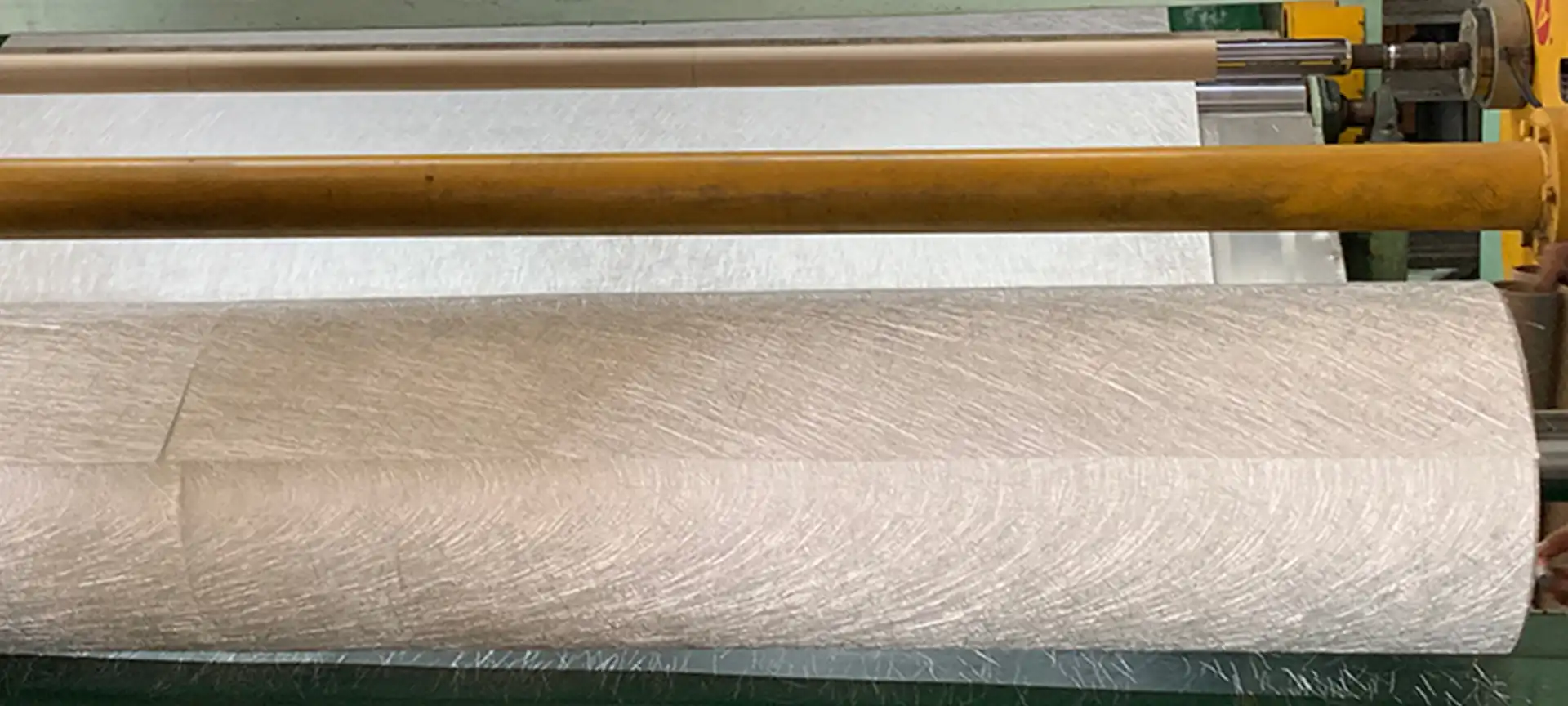
The phrase “poor man’s fiberglass” gets thrown around in forums and YouTube comments like it is some kind of secret hack. It is not. It usually means someone is mixing cloth scraps into drywall mud, or brushing latex paint over bedsheets, or skipping fiberglass mat entirely and calling the result a composite.
I have been doing this since 1989. None of these shortcuts hold up.
And look—I get why people try. A gallon of polyester resin plus catalyst, plus chopped strand mat, plus brushes, gloves, and acetone—that adds up to maybe sixty bucks before you start. A can of exterior paint and an old sheet costs almost nothing. The math looks obvious.
But the math is wrong.
The Paint-and-Fabric Version
Here is the classic recipe. You stretch cotton canvas or a bedsheet over whatever you are building. Paint it with exterior latex. Let it dry. Repeat five or six times. You end up with a stiff, waterproof-ish skin.
I tried it in 1994 on a canoe. Looked decent for one season. Then UV cracked the paint, the fabric peeled, and water wicked in. By the next summer the hull was soft in spots. I had to strip the whole thing and rebuild with an actual fiberglass mat and polyester resin. Lost an entire summer.
The canoe cost me about forty dollars in paint and fabric. The rebuild cost sixty in real materials. The rebuilt canoe lasted twelve years. I am not great at math, but even I can see which number wins.
Why People Keep Searching for It
Resin and fiberglass mat feel expensive when you are standing in the parking lot of a marine supply store holding a receipt. I understand that feeling. But a real laminate lasts ten, fifteen, twenty years outside. The paint version? Maybe two seasons if you are lucky and the sun does not get aggressive.
I tell first-time buyers the same thing every time. Do it once with the right stuff, or do it twice with the wrong stuff. Your call.
Had a guy in rural Brazil ask me about cheap fiberglass options for a chicken coop roof. He wanted to waterproof a wooden frame without spending much. I told him the paint method would survive maybe two rainy seasons down there before UV killed it. He bought a roll of 300 gsm fiberglass mat and a gallon of orthophthalic polyester instead. That roof is still standing eight years later. He spent a little more up front. He did not spend it again.
The Filler Shortcut
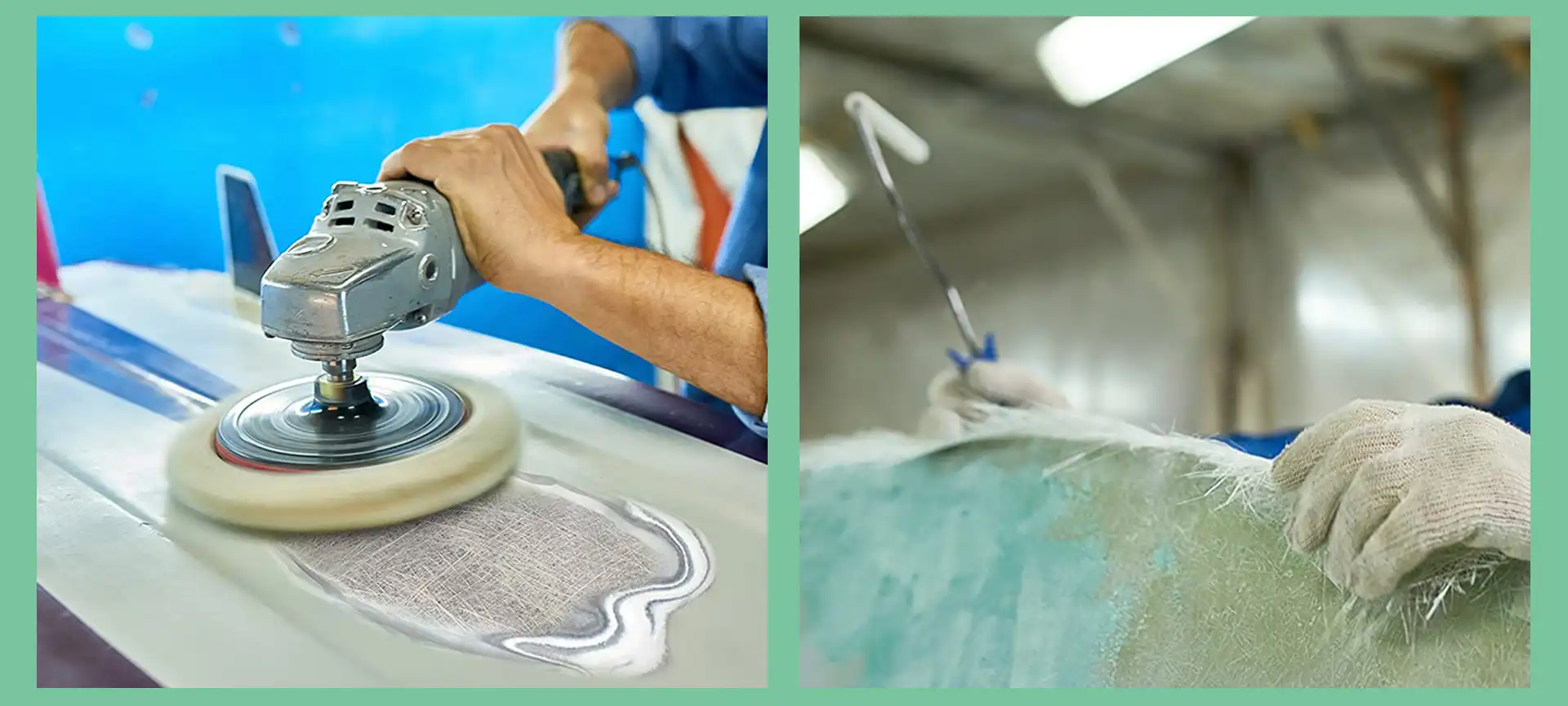
Another version of poor man’s fiberglass — mixing chopped mat scraps into Bondo or polyester filler. Body shops do this for small dings. It works for low-stress patches. It is not structural. Will not hold a load.
A guy in South Africa filled a cracked truck fender this way once. Never ground the crack back to solid laminate. Just buttered filler over the top. Two months later the crack ran right past his patch. He called me angry. I told him the truth — filler fills, it does not reinforce. That is not a fiberglass alternative; that is spackle.
The right fix would have been to grind a twelve-to-one taper on both sides of the crack. Lay down two layers of fiberglass mat with polyester. Sand fair. Gelcoat. That repair would have outlived the truck itself.
Titebond and Fabric
Some woodworkers use Titebond III with canvas or polyester fabric on wooden boat hulls. Hard skin over wood. Protects against abrasion. Does not waterproof the way real fiberglass does — not even close.
I looked at a wooden dinghy built this way in 2010. Owner used Titebond and polyester fabric. Hull looked fine for one season. Then moisture found a screw hole, got under the fabric, and the wood rotted underneath while the fabric skin held together like a shell over nothing. Real fiberglass bonds to wood. Resin soaks into the grain. The fiberglass mat becomes part of the substrate. Paint and glue just sit on top. Big difference.
Natural Fibers Are Not a Substitute
People ask about jute, hemp, cotton, bamboo as a fiberglass alternative. Some of these work for indoor decorative stuff. They are not structural. Tensile strength of a single glass filament runs 2,000 to 3,500 MPa. Cotton? Maybe 300 on a good day. Hemp is similar. Not the same league, not the same sport.
Glass fiber is cheap because the world makes millions of tons of it. E-glass fiberglass mat is the economy of scale already working in your favor. You are not going to beat that price with a natural fiber that absorbs water and rots.
A student in India tried jute mat with polyester for a college project. Panel came out heavy, weak, and drank water like a sponge. He came back and bought real fiberglass mat. Second panel was half the weight and three times as stiff. Learned the lesson in one project instead of three years like some of us.
When the Shortcut Actually Makes Sense
I am not going to pretend every project needs aerospace materials. If you are making a costume prop, a theater set, a temporary mold — go ahead, use the paint-and-sheet method. It is light, fast, and does not smell. Just do not call it fiberglass. Call it what it is. A temporary shell.
A client of mine builds haunted house props every October. They use the paint method on foam shapes. Works for three weekends, then they trash it. Perfectly valid use case. Another client makes Halloween masks with papier-mâché over latex molds — no fiberglass at all. Right material for that job. If they tried making those masks from fiberglass mat, the parts would be too heavy and cost too much. Context matters more than dogma.
Roof Sealant and Mesh
Roofers sometimes paint asphalt sealant over light fiberglass mesh scrim. That is not real fiberglass mat — it is an open-weave scrim. The sealant is not structural resin. What you get is a waterproof membrane, fine for flat roof patches and RV seams. Do not build a load-bearing part this way. The membrane will tear under point load. It cannot carry bending stress.
A customer tried to patch a cracked RV shower surround with roof sealant and mesh. Looked fine for a week. Then someone leaned on the wall. The patch caved right in — the substrate was rotted underneath. We cut it out, replaced the wood, laid up two layers of fiberglass mat with polyester. That shower has been solid for six years now.
The Real Cost Is Your Time
Here is the part nobody on the forums talks about. A DIY fiberglass project takes the same labor whether you use real materials or fake ones. You still cut fabric. You still mix something. You still lay it up, wait for it to dry, sand it. The labor is identical. The result is dramatically worse.
I once calculated the cost for a typical small repair. Poor man’s method: eight dollars in materials, four hours of labor. Real materials: fifteen dollars, same four hours. Seven dollars difference. For seven bucks you get a repair that lasts ten times longer. That is not savings. That is gambling with your own time.
What I Tell People
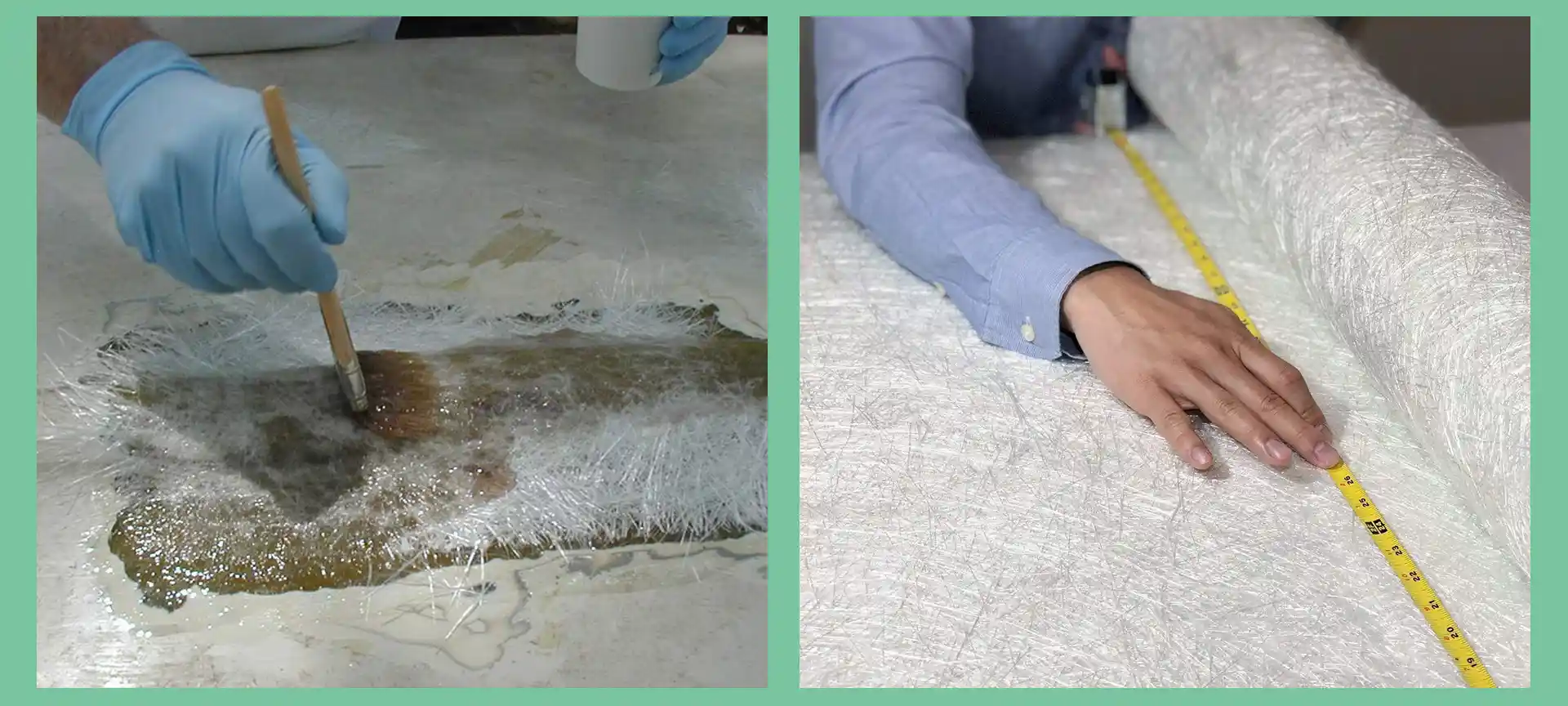
If money is tight — and I have been there, I started buying factory seconds out of the back of a truck — buy a smaller amount of real fiberglass mat and polyester. Use it where it matters. Reinforce the high-stress zones. Skimp on cosmetic filler if you have to, but do not skimp on the fiber.
A roll of 300 gsm fiberglass mat in a small size costs about twenty dollars. A quart of polyester with catalyst is another fifteen. For thirty-five bucks you can do real FRP repair on a small project. That is less than most people spend on pizza on a Friday night.
Fiberglass is already the poor man’s carbon fiber. There is no need to make it poorer. The supply chain is mature. Prices are stable. Millions of tons are produced every year. There is no excuse for substituting paint and bedsheets when real fiberglass is this accessible.
If you are broke and need a quick fix tonight, use whatever you have. But do not call it fiberglass. And do not expect it to last.
Post time: Aug-26-2026


