

Why Cheap Fiberglass Handles Fail: What Your Manufacturer Isn’t Telling You
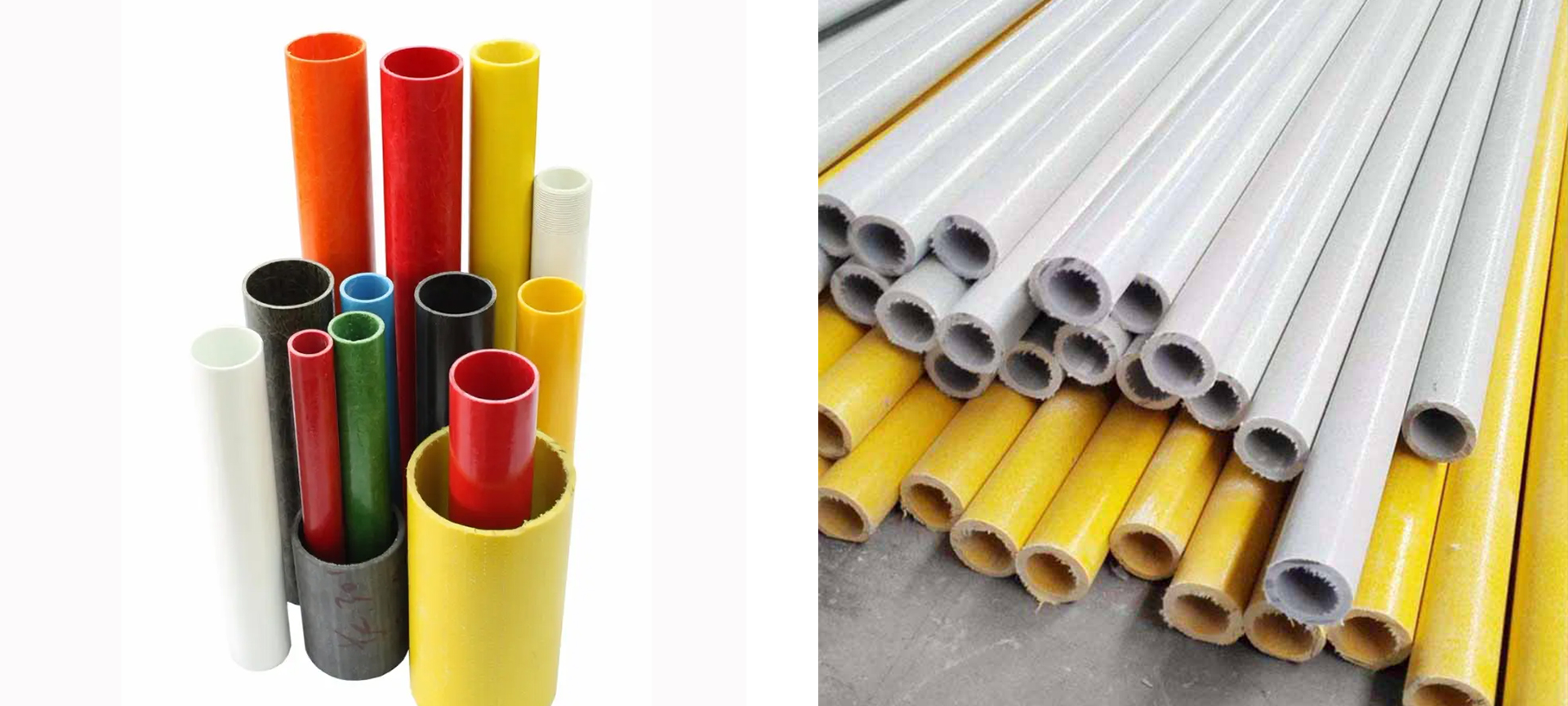
Last Tuesday, I was walking through our factory floor when I saw a pile of broken tool handles sent in by a regional distributor. It wasn’t a pretty sight. Shovels, rakes, garden forks—most of them less than six months old—all snapped at the neck or shattered mid-shaft.
When I picked up one of the broken pieces, the reason was obvious. It wasn’t “heavy use” that killed these tools; it was sheer greed and lazy engineering. As a fiberglass tube manufacturer, I see this every day. There’s a myth out there that all fiberglass is the same. I’m here to tell you that’s a lie. If you’re a professional landscaper, or a DIY guy who’s tired of buying new tools every season, you need to know what’s really going on inside that fiberglass handle.
The “Hidden” Costs of Cheap Resin
The backbone of any fiberglass tool handle is the resin-to-glass ratio. In a pro-grade handle, the glass fibers provide the strength, while the resin acts as the binder. It’s a simple concept, but easy to mess up if you’re trying to cut costs.
Many factories flood their molds with excess, low-grade resin. Why? Because resin is cheaper than high-tensile glass roving. It makes the handle look glossy and finished when it’s new, but it’s a trap. A high-resin, low-fiber handle is essentially a glass-filled plastic rod that lacks true structural integrity. When you dig into clay or pry up a stubborn root, the handle doesn’t flex—it snaps. In our factory, we don’t just “fill a mold.” We use specific fiber-loading ratios. We want a handle that has some “memory,” something that flexes under pressure and snaps back, instead of giving up the ghost the moment things get tough.
When you buy a “cheap” handle, you’re buying a product that has been engineered to look good on a shelf, not to perform in the field. That glossy finish is often just a mask for a core that is 70% resin and only 30% structural glass. That’s a recipe for disaster.
The Pultrusion Process: Speed Kills Quality
Most people buying a replacement shovel handle never think about how it’s made. They should. The pultrusion process is where the magic—or the disaster—happens.
Pultrusion is the process of pulling fiber reinforcements through a resin bath and then through a heated die to set the shape. The catch? It takes time and heat. When you pull these tubes through the die at top speed—because you want to pump out more units per hour to lower your overhead—the resin doesn’t have time to cure evenly.
You end up with microscopic air bubbles trapped inside the wall of the tube. You can’t see them with the naked eye, but they are structural voids. They are waiting for the moment you apply lateral force—like prying against a rock—to pop like a balloon. When we produce our fiberglass garden handles, we don’t care about the speed record. We watch the curing temperature like a hawk. If the core isn’t fully cured, the handle is garbage, no matter how shiny it looks.
The “Wobble” Effect and Mechanical Failure
We get a lot of questions about garden fork handle replacement. The #1 complaint? “It wobbles.”
That’s usually down to sloppy tolerances in the factory. A few millimeters off might not matter to a guy sitting in a corporate office, but it’s the difference between a tool that feels like part of your arm and one that’s going to fail. As a dedicated fiberglass tube factory, we treat the diameter like a precision spec.
If the fit isn’t tight, the rivet or bolt will eventually tear through the fiberglass wall. It’s simple physics—once that joint gets loose, the stress isn’t distributed across the handle anymore; it’s concentrated on one tiny hole where the rivet sits. That’s a death sentence for any handle. We use CNC-machined dies to ensure our outer diameters are consistent within a fraction of a millimeter. When you buy our stuff, it fits. It doesn’t rattle, and it doesn’t leave you struggling to shim the connection.
The Splinter Problem: What Your Hands Are Telling You
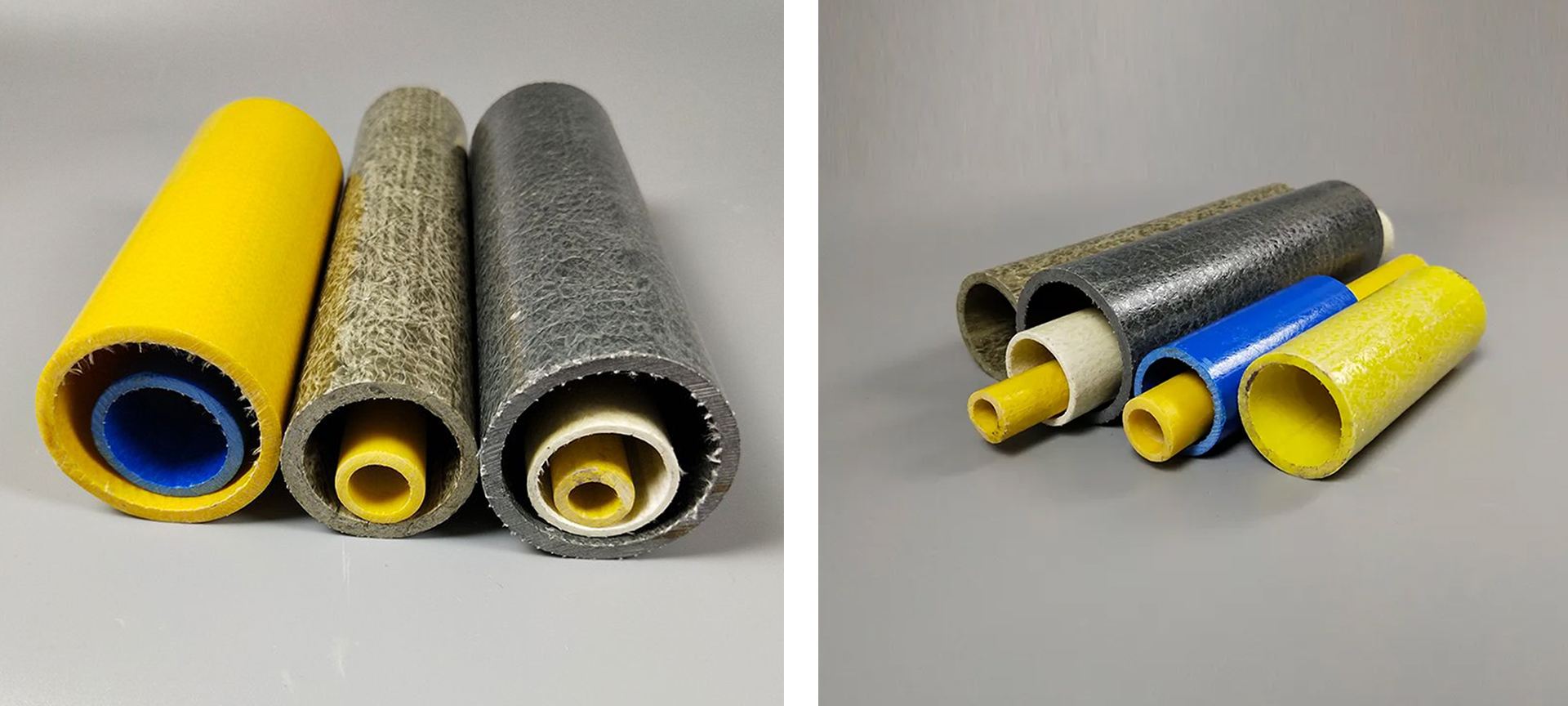
One of the biggest selling points of fiberglass over wood is that it’s “splinter-free.” But have you ever noticed some cheap fiberglass broom handles getting fuzzy and irritating to your hands after a few months of sun exposure?
That happens when the manufacturer skips the UV-resistant coating or uses a cheap veil that degrades under sunlight. When the outer layer breaks down, those jagged glass fibers start poking out. It’s not just annoying; it’s a genuine safety hazard. Our professional-grade handles undergo a secondary coating process that seals the fibers. We test our handles under accelerated UV weathering chambers to ensure they won’t “fuzz up” within their first two seasons. If you feel even a tiny “prick” while using your tool, stop using it—that handle is done.
Material Showdown: The Brutal Truth
|
Material |
The Reality |
Maintenance Requirement |
|
Wood |
Traditional, but unpredictable. Rot, splinters, and variable grain. |
Needs oiling, constant storage, prone to warping. |
|
Steel |
Strong, but heavy. Rust is the absolute enemy. |
Needs paint/coatings; heavy weight causes user fatigue. |
|
Fiberglass |
Best strength-to-weight ratio. Corrosion-proof. |
Set it and forget it. |
Quality Diagnostic Checklist: Don’t Get Fooled
If you’re a distributor or a professional buyer, you need to know what you’re looking at. Don’t just look at the price tag. Look at the product.
|
Inspection Point |
The “Cheap” Sign |
The “Pro” Sign |
|
Surface |
Rough, fuzzy, visible frayed fibers. |
Smooth, sealed, consistent finish. |
|
Density |
Feels light, hollow, and “airy.” |
Solid, heavy, dense feel (proper saturation). |
|
Flex |
Rigid as a pipe (will shatter on impact). |
Springy, acts as a shock absorber. |
|
Mounting |
Loose fit, requires extra shims. |
Snug, precision fit to standard heads. |
Stop Buying “Disposable” Tools
I’ve seen too many contractors throw away perfectly good shovel heads just because the handle snapped. It’s a waste of money and a waste of steel.
At the end of the day, a cheap handle that you replace three times a year costs way more than one solid handle that lasts for three. We aren’t just selling tool parts; we’re selling the fact that your tool won’t snap when you’re three hours into a job on a Friday afternoon, miles from the nearest hardware store.
The Future of Tool Ergonomics
We’re currently tweaking our weave patterns to focus on vibration damping. When you use a shovel for eight hours a day, the impact vibration travels up the handle into your wrists and elbows. Cheap handles do nothing to stop this; they just pass the energy straight into your bones.
By experimenting with different fiber orientations (not just pulling the strands straight), we’re developing handles that actually protect the user. If you’re a wholesaler and your manufacturer isn’t talking about ergonomics or fiber weave, they’re just selling you a plastic pipe—not a tool. We are producing solutions, not commodities.
Why Choosing the Right Factory Matters
Buying replacement handles for garden tools isn’t about buying a commodity; it’s about supply chain stability. When you buy from a factory that only cares about the lowest unit price, you are gambling with your own reputation. If you’re a dealer, and your customers are coming back with broken handles, you’re not just losing the cost of the handle—you’re losing a customer.
We’ve seen it all. We’ve had guys come to us begging for replacements because their previous supplier went out of business or switched to even cheaper materials. When you partner with a factory that documents their curing processes, tests their tensile strength, and uses high-grade resins, you’re buying insurance for your business.
Final Words: Invest in What Lasts
Don’t let a “cheap” price tag become an expensive lesson. Quality isn’t a marketing buzzword; it’s a choice made on the factory floor, every single day. If you’re tired of the “break-replace-repeat” cycle, get in touch with our team. We don’t make disposable stuff. We make tools that hold up.
Next time you’re in the market for fiberglass tube manufacturing or just need a solid replacement shovel handle, look for the density, feel the finish, and ask your supplier about their cure times. If they can’t answer you, you know exactly what kind of quality you’re getting.
Ready to upgrade your inventory or your own tool shed? Contact our team at [Chongqing Dujiang / CQDJ] to learn more about our manufacturing standards, custom diameters, and wholesale opportunities. Let’s build something that lasts.
Post time: Jun-11-2026


