

Choosing between fiberglass cloth and chopped strand mat (CSM) isn't about which is "better"—it's about protecting your margin and ensuring the final product doesn't fail in the field. After years of handling everything from resin consumption issues to structural cracks in finished parts, here is the real-world breakdown.
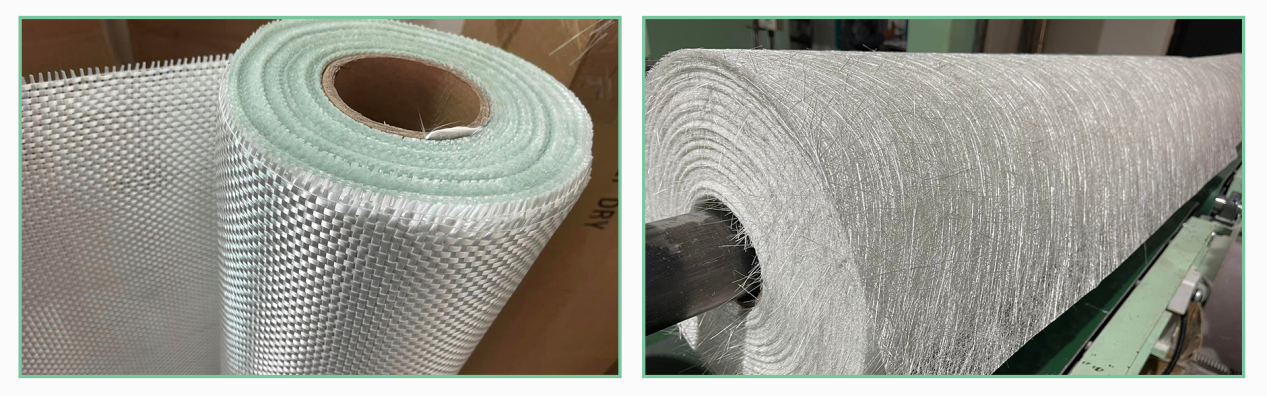
1. Strength vs. Thickness: Don't confuse the two.
If your tech specs call for high tensile strength, you need the continuous fiber architecture of Fiberglass Cloth. It’s predictable and tough.
But if you’re just trying to beef up a part’s thickness without spending a fortune on labor, CSM is your best friend. Those random short strands aren't meant for structural integrity, but they’re perfect for filling space and providing "isotropic" strength (meaning it’s equally strong—or weak—in every direction). It’s the go-to for non-structural bulk where precision isn't the priority.
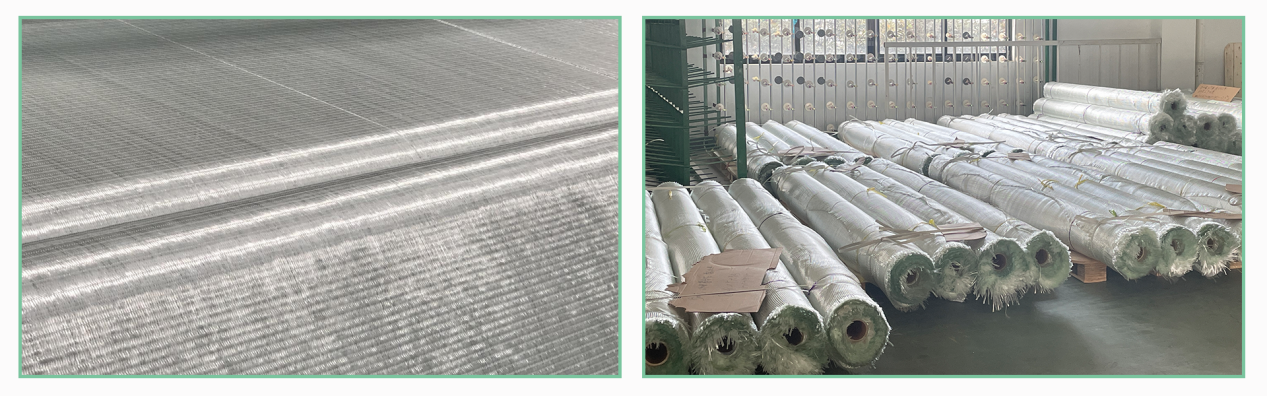
2. The Resin Factor: Cost vs. Performance
Here is where the "hidden costs" come into play.
Resin Consumption: Chopped strand mat is a "thirsty" material. It has a higher resin-to-glass ratio, which means you’ll consume more resin to achieve the desired thickness. While the mat itself is cheaper per kg, the total cost of resin can add up.
Impregnation: Fiberglass cloth is more efficient. It offers a much higher glass content, resulting in a lighter, stronger, and more "resin-lean" laminate. For high-end exports where weight-to-strength ratios are critical, cloth is the clear winner.
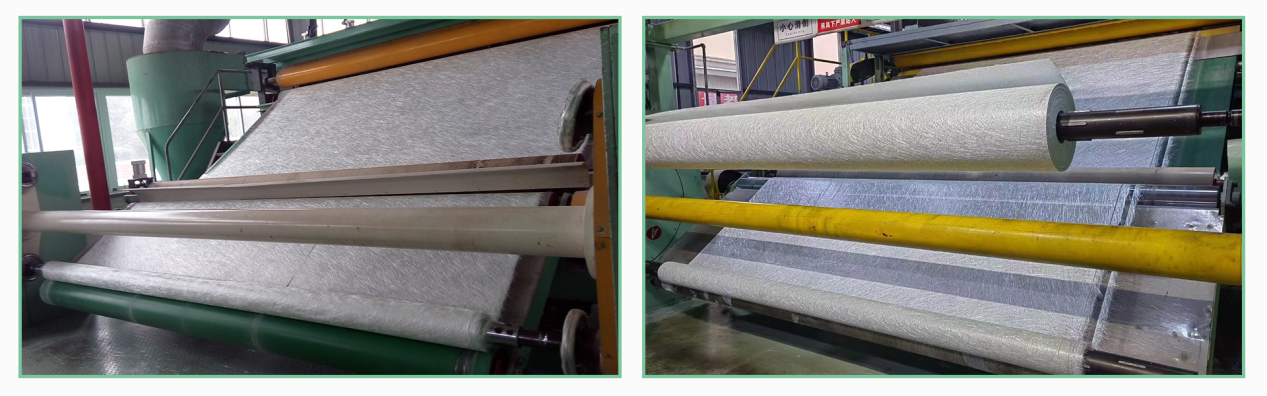
3. Practical Shop Floor Dynamics: Conformability
If you’ve ever tried to wrap a stiff cloth around a tight, 90-degree corner, you know the frustration of "spring-back."
Fiberglass Chopped Stand Mat (CSM) is the king of complex geometries. The binder breaks down when in contact with resin (especially polyester), allowing the mat to soften and conform to intricate molds without air pockets.
Fiberglass Cloth requires more skill. While it’s flexible, it won't "melt" into corners like CSM. For complex shapes, we often recommend a Fiberglass Combo Mat (a layer of cloth stitched to a layer of mat) to get the best of both worlds—strength plus conformability.
4. Surface Aesthetics & Finishing
If your client demands a mirror-like finish, pay attention to the "print-through."
Fiberglass Cloth yields a much smoother, professional surface.
CSM can sometimes leave a textured pattern on the gel coat if not handled correctly. In high-quality FRP production, we typically use a fine-weave cloth as the final layer to prevent the coarse fibers of the mat from showing through the surface.
The "Pro's" Final Verdict
Choose fiberglass cloth when you need strength-to-weight efficiency, structural rigidity, and a high-end aesthetic. It’s the premium choice for professional engineering.
Choose e glass chopped strand mat for cost-effective bulk, rapid thickness build-up, and ease of use on complex, non-structural molds.
My Professional Advice: Most high-performance components don't use just one. We frequently supply clients with a "sandwich" layup: CSM for the initial bond and bulk, and Fiberglass Woven Roving or Cloth for the structural backbone.
If you are calculating the MOQs for your next shipment or need a technical data sheet (TDS) comparison for your procurement team, feel free to reach out. Let’s get the specs right before the container leaves the port.
Post time: Apr-17-2026


