



Inquiry for Pricelist
For inquiries about our products or pricelist, please leave your email to us and we will be in touch within 24 hours.
CLICK TO SUBMIT AN INQUIRY


Ordinary glass wool and rock wool hold their shape with a phenolic binder. That works fine at room temperature. Push past roughly 250 to 300°C, and the binder starts to oxidize. It browns, it smells, and the blanket slowly loses the very thing holding it together.
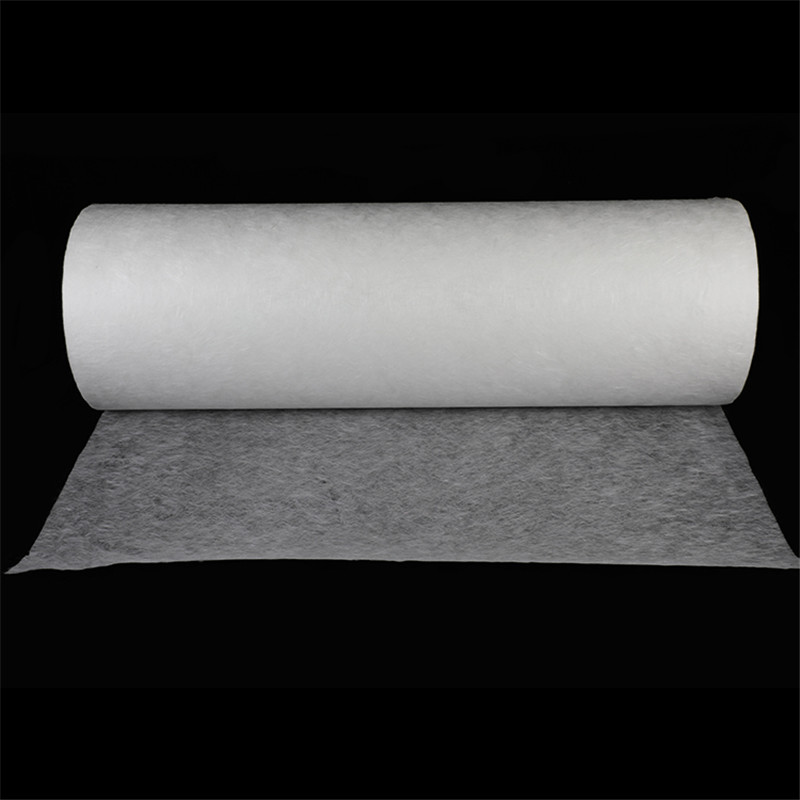
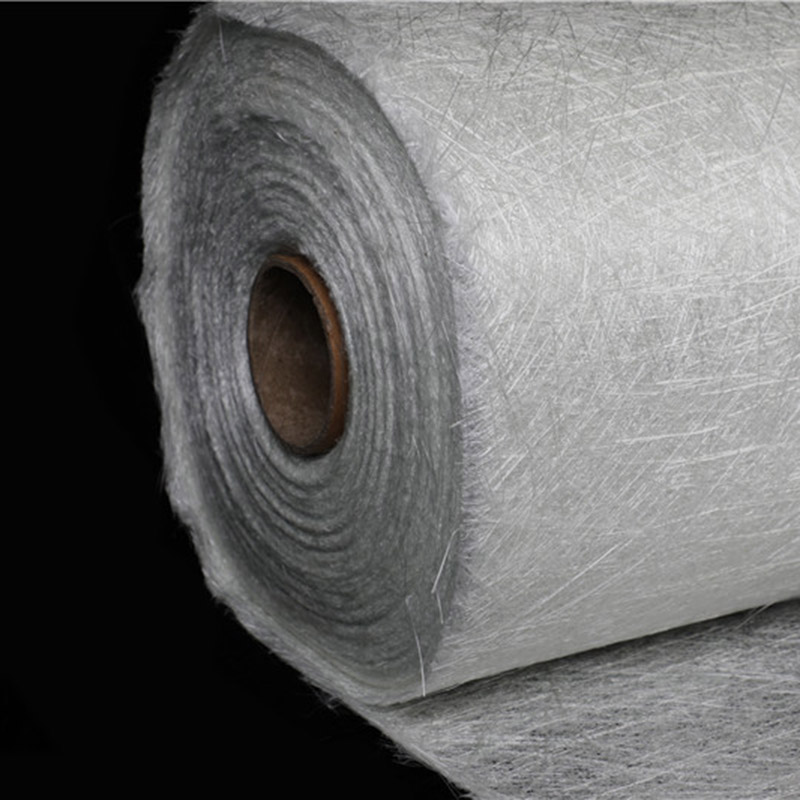
Needled fiberglass mat has no binder to lose. The mat is built by punching barbed needles through a carded web of chopped E-glass until the fibers tangle into a solid knot. Purely mechanical. Nothing organic anywhere in it. At 650°C it smells of nothing, because it is nothing but glass. That single difference is why it gets specified on anything that runs hot and gets opened up in front of a customer.
Thickness is not a price decision; it is an engineering one. Doubling thickness does not double your insulation, but going from 3 mm to 10 mm on a hot face is usually the difference between a shield you can touch and one you cannot.
Compression is the part people forget. If the mat gets clamped between two metal skins, you lose thickness at the bolt points, and the insulation value goes with it. Needled fiberglass mat recovers well, but it is not a spring. Tell me the finished gap and I will work backwards to the thickness you should be buying, not the one you hope works.
A Thai appliance plant I dealt with kept getting hotspot complaints on a boiler jacket. They were buying 6 mm because 6 mm was on the price list. The cavity took 12. We moved them up one grade, and the complaints stopped the same quarter. That is a typical fix, and it costs less than the warranty claims did.
Under the bonnet first. Engine bay liners, floor pan shields, and tunnel insulation. The mat gets cut to a pattern, faced or unfaced, and it sits there taking vibration for the life of the vehicle without going brittle. Exhaust heat shields are the second one. A bare stamped shield radiates straight down into the floor. Slip 10 mm of needled fiberglass mat behind it, and the outer skin drops to a temperature a hand can rest on.
A bus builder I know switched to needled mats for the engine cover after a driver complained about heat through the floor in summer traffic. They had been using a foam product rated to 180°C on a cover that saw more than that on a long climb. Wrong tool. Foam does not belong anywhere near an engine cover, and no amount of thickness fixes that particular mistake.
Ship work and rail work follow the same logic, just bigger. Bulkhead linings, ceiling panels, and pipe runs. Non-combustible matters more there than anything else on the sheet.
Half my customers come for the heat and stay for the noise. The same porous three-dimensional structure that slows heat transfer also catches sound. Needled fiberglass mat in the 10 to 25 mm range pulls a noise reduction coefficient around 0.8 to 1.0 depending on how it is mounted, which is genuinely good for a product this cheap.
Compressor housings, generator enclosures, and plant rooms. In those jobs the buyer is not really solving a thermal problem at all. They are solving a complaint from the building next door, and the mat happens to do both.
This one costs people money, so I will be blunt. Needled fiberglass mat is a dry insulation material. It is not designed to carry a load in a laminate, and it does not wet out the way a proper reinforcement does.
If you are building a moulding and you want strength, you want woven fabrics or a chopped strand mat made for lay-up, not this. If you are trying to settle on which mat suits a given job, how to choose a fiberglass mat walks through the decision properly. Insulation and reinforcement are two different shelves in the same warehouse.
I keep the stock range tight because that is what lets me ship quickly. Tell me the thickness and service temperature, and there is a good chance the roll is already made. The needled fiberglass mat below is the standard E-glass grade.
Typical Specifications—needled fiberglass mat, E-glass 650℃ grade
|
Specification |
Value |
|
Glass type |
E-glass, alkali-free alumino-borosilicate |
|
Continuous temperature |
650°C (1200°F) |
|
Short-term peak |
700°C [FILL IN your tested figure] |
|
Binder |
None — 100% mechanical needling |
|
Filament diameter |
9 µm |
|
Cut length |
60–100 mm |
|
Thickness |
3–25 mm |
|
Area weight |
450–4500 g/m² |
|
Density |
130–150 kg/m³ |
|
Standard roll width |
3000 mm |
|
Roll length |
10–50 m [FILL IN your standard] |
|
Thermal conductivity |
25℃≤0.032,300℃≤0.078,500℃≤0.094 W/(m·K) |
|
Sound absorption |
NRC 0.8–1.0, thickness dependent |
|
Colour |
White |
|
Flammability |
Non-combustible |
|
Typical applications |
Engine bay liners, exhaust shields, pipe wrap, appliance insulation, acoustic enclosures |
|
Packaging |
Roll-fed packaging |
|
MOQ |
20 Meters |
Those figures come off shipped goods, not a lab coupon from a good run. If your inspector wants a named test method, tell me before quoting, and we'll test it.
Service temperature and peak. The finished gap the mat has to fit into. Whether it is compressed or loose. Rough quantity.
That is genuinely all I need to size a job. Give me those, and I can tell you whether needled fiberglass mat is right or whether you should be looking at a higher temperature grade instead. I would rather send you somewhere else than sell you a mat that comes back.
Our plant works to ISO 9001:2015. Ask for the certificate and the test sheet with the quote, and expect an answer inside a day.
For inquiries about our products or pricelist, please leave your email to us and we will be in touch within 24 hours.


