

The 3 Benefits of CQDJ Fiberglass Roving for GFRP Rebar
Introduction
Let’s be honest. Most buyers don’t spend much time thinking about fiberglass roving — until something goes wrong.
A rebar cracks under load. A pultrusion line keeps stopping. A client calls with a quality complaint. Then, suddenly, everyone wants to talk about where the roving came from.
The truth is, roving is the backbone of every GFRP rebar you produce. It’s not a commodity. It’s the decision that determines whether your product holds up on a bridge deck in a coastal city, or fails three years in. Get it right, and everything downstream runs cleaner, stronger, and more profitably. Get it wrong, and you’re fighting problems you didn’t create.
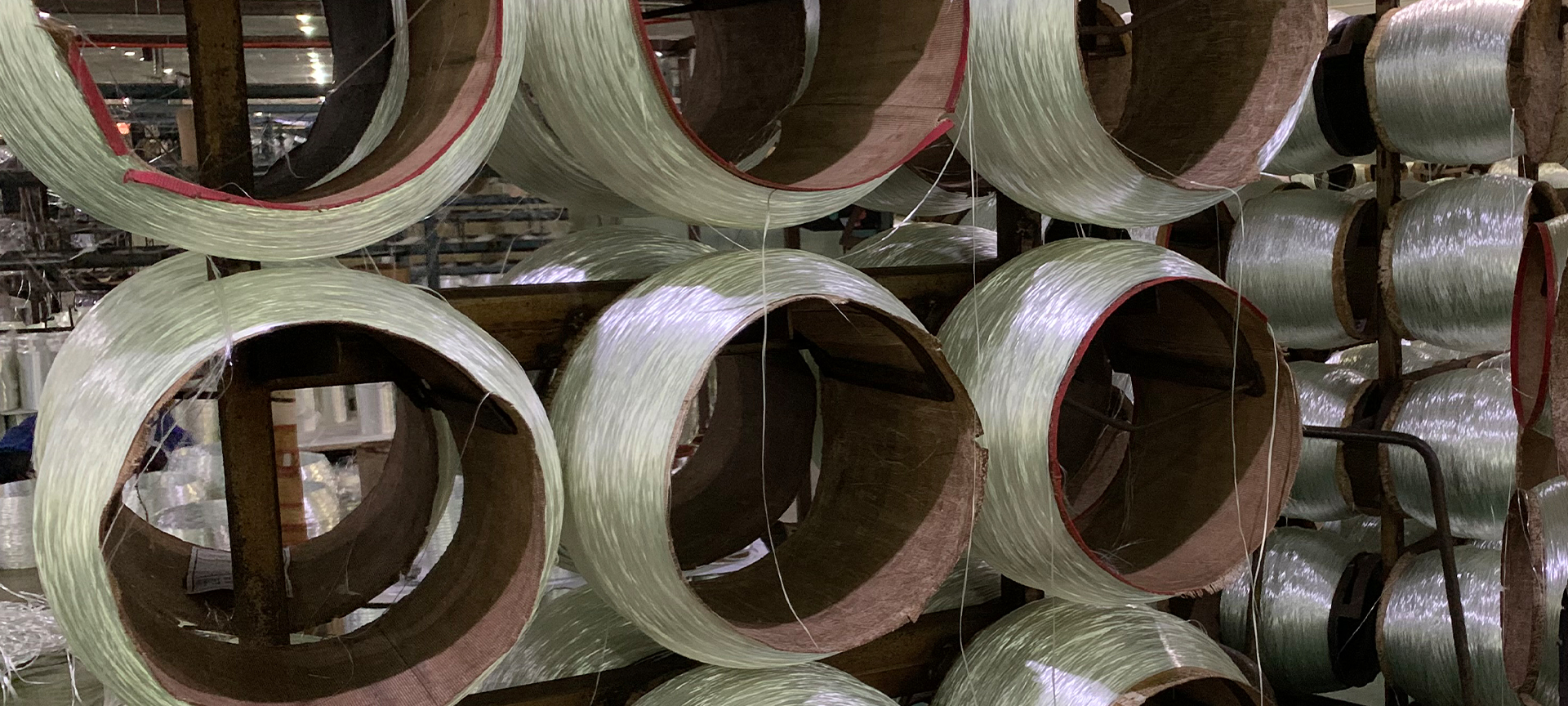
CQDJ — Chongqing Dujiang Composites Co., Ltd. — has been in the composites business for over 50 years, across three generations of ownership. That’s not marketing copy. That’s the kind of depth that shows up when you’re troubleshooting a sizing compatibility issue at 11pm before a production run.
Here are three reasons why serious GFRP rebar manufacturers choose CQDJ roving.
What Is Fiberglass Roving and Why It Matters for GFRP Rebar
The Role of Fiberglass Roving in GFRP Rebar Manufacturing
Fiberglass roving is continuous glass fiber strands bundled onto a spool. In rebar production, it’s pulled through a resin bath and shaped under heat through a process called pultrusion — the roving is essentially what gives the finished bar its structural skeleton.
Think of it this way: the die shapes the rebar, the resin holds it together, but the roving carries the load. A beautiful pultrusion setup with poor roving is like a well-engineered frame built on bad steel. The process works. The product doesn’t.
What Makes CQDJ Fiberglass Roving Different
CQDJ isn’t a trading company reselling somebody else’s product. They manufacture — fiberglass roving, mat, fabric, mesh, chopped strands, and finished FRP profiles — with 289 employees and the production scale to back up a serious supply relationship. Annual sales run between 300 and 700 million yuan. More importantly, they offer OEM/ODM customization, which means if your rebar line has specific tex requirements or sizing preferences, you’re talking to people who can actually do something about it.
Benefit #1 – High Tensile Strength That Holds Across Every Spool
How CQDJ Roving Delivers Consistent Fiber Strength
Tensile strength isn’t just about peak numbers on a spec sheet. What matters in real production is consistency — spool to spool, batch to batch, month to month.
CQDJ controls fiber diameter, tex weight, and sizing chemistry tightly. That’s not an accident. It’s the result of decades of production discipline. When variance creeps into your roving, it creates weak zones inside the rebar — invisible during manufacturing, but very visible when a structure is under sustained load.
The manufacturers who’ve worked with lower-grade roving know exactly what this looks like: inconsistent tensile test results, frustrating QC rejections, and the uncomfortable conversation with an end client about why the numbers don’t match the spec. Stable roving eliminates most of that.
Real-World Impact on GFRP Rebar Load-Bearing Capacity
Strong, consistent roving means your rebar can be confidently deployed where it actually needs to perform:
|
Application |
Why Roving Quality Matters |
| Bridge decks & highways | High load cycles demand zero variance in fiber strength |
| Underground & tunnel structures | Long-term strength retention in compressed, humid conditions |
| Marine & coastal construction | Mechanical load meets aggressive saltwater exposure simultaneously |
| Chemical plant flooring | Structural demands combined with daily chemical contact |
Rebar built on CQDJ roving is designed to meet ACI 440 and ASTM D7957. Not as an afterthought — as a starting point.
Benefit #2 – Corrosion Resistance That Doesn’t Depend on Hope
Why Corrosion Resistance Starts with the Right Roving
Everyone knows GFRP rebar doesn’t rust. That’s the pitch. What’s less discussed is how easily that advantage gets undermined by poor roving quality.
Here’s the mechanism: if the glass fiber roving‘s sizing agent doesn’t bond cleanly with your resin system, micro-voids form at the fiber-resin interface during pultrusion. They’re too small to see. But they’re large enough for moisture to find over time — and once moisture is inside the composite, you’re watching corrosion resistance degrade in slow motion.
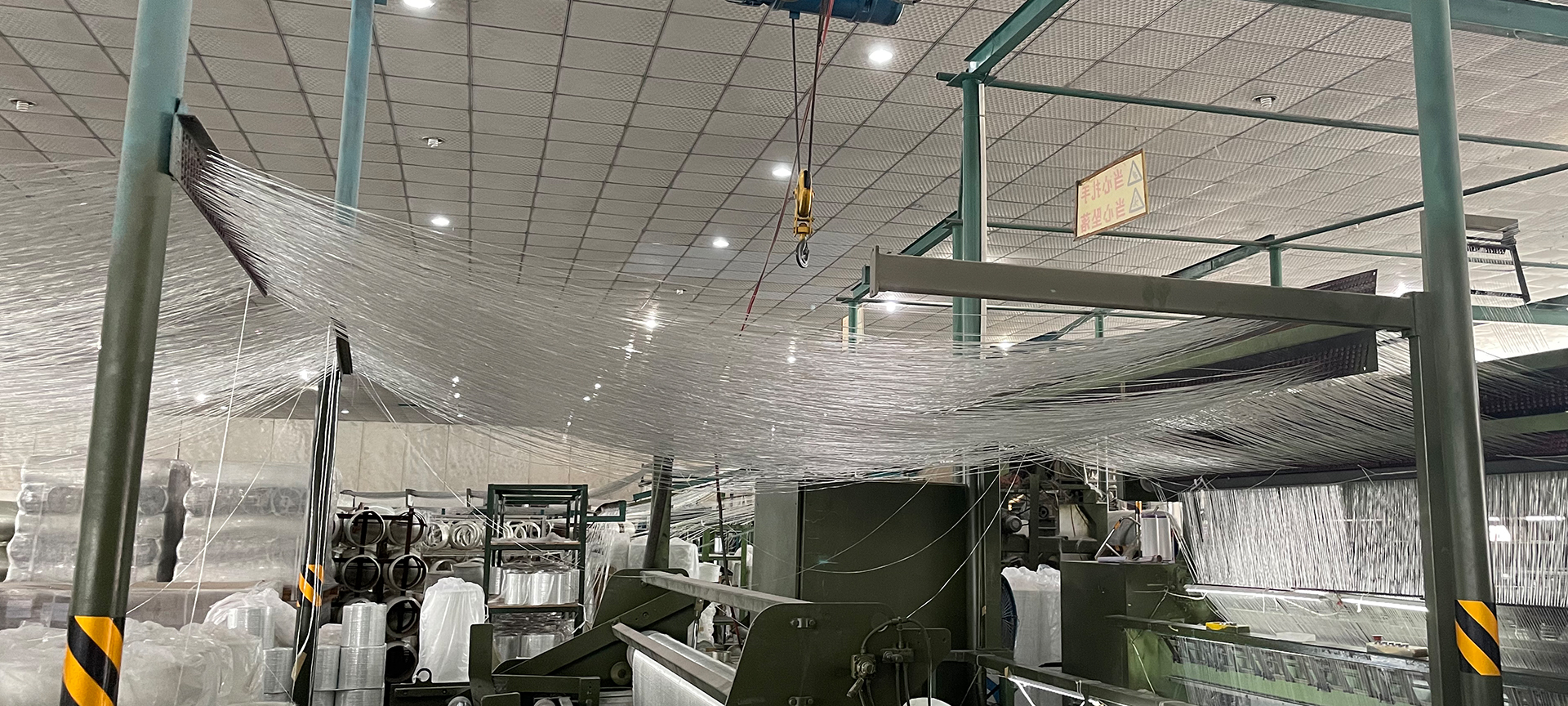
CQDJ formulates their sizing agents specifically for compatibility with vinyl ester and epoxy systems — the resins most commonly used in GFRP rebar. The bond is clean. The encapsulation is complete. There’s no guesswork about long-term moisture behavior.
CQDJ Roving in Harsh Environments – Marine, Chemical & Alkaline Conditions
The environments where GFRP rebar gets specified are rarely forgiving. Consider what the material is actually up against:
|
Environment |
Challenge |
CQDJ Roving Performance |
| Marine & saltwater | Chloride ion penetration | No corrosion pathway; fiber-resin bond intact |
| Chemical processing | Acids, alkalis, solvents | High chemical resistance maintained |
| Freeze-thaw cycling | Moisture expansion stress | No moisture absorption to drive cracking |
| Concrete alkalinity | pH 12–13 internal environment | Sizing chemistry stable under alkaline exposure |
GFRP rebar produced with quality roving regularly achieves service life projections beyond 100 years in corrosive environments. Steel rebar in the same conditions typically shows significant section loss within 20 to 30 years. That’s not a minor difference — it’s the entire value proposition of the product.
Benefit #3 – Processing Performance That Respects Your Production Line
Superior Wet-Out and Resin Compatibility
Talk to any pultrusion operator long enough, and they’ll tell you the same thing: the roving either works with your line or it fights it. There’s not much in between.
Bad roving fuzzes. It breaks. It resists resin impregnation and leaves dry fiber in your die. It creates tension inconsistencies that show up as dimensional variation in the finished bar. All of this costs you — in scrap, in downtime, in operator frustration, and eventually in customer returns.
CQDJ roving is built for pultrusion. Specifically:
|
Processing Property |
What It Means in Practice |
| Fast, uniform wet-out | Complete resin impregnation, minimal void content |
| Low static, high strand integrity | Fewer breaks and fuzz balls at the creel |
| Consistent spreadability | Even fiber distribution in the die cross-section |
| Broad resin compatibility | Works with vinyl ester, polyester, and epoxy systems |
How Good Processability Reduces Production Cost and Waste
The economics here are straightforward. When roving behaves predictably, your line runs faster, stops less, and wastes less material. Over a production year, that adds up.
Manufacturers running CQDJ roving typically report fewer unplanned stops due to fiber breakage, lower reject rates from incomplete wet-out, and better dimensional consistency in the finished bar — which means less rework and fewer quality-hold situations before shipment.
Roving is a cost input. But processability is a margin driver. The two are not the same conversation.
Why GFRP Rebar Manufacturers Choose CQDJ Fiberglass Roving
Strength, corrosion resistance, and processing performance — these three benefits don’t exist in isolation. They compound. A rebar manufacturer who gets all three right is producing a better product, running a more efficient line, and delivering something the end client won’t have complaints about five years down the road.
CQDJ brings more than product to the relationship:
- · Consistent batch-to-batch quality with real production traceability
- · Capacity to support large-volume, long-term supply agreements
- · OEM/ODM customization for specific tex, sizing, or spool format requirements
- · Technical support from people who understand pultrusion, not just fiber sales
- · Established export logistics for international buyers
That last point matters more than it sounds. A supplier who understands export documentation, lead times, and customs requirements saves buyers real headaches — especially on first orders.
Conclusion
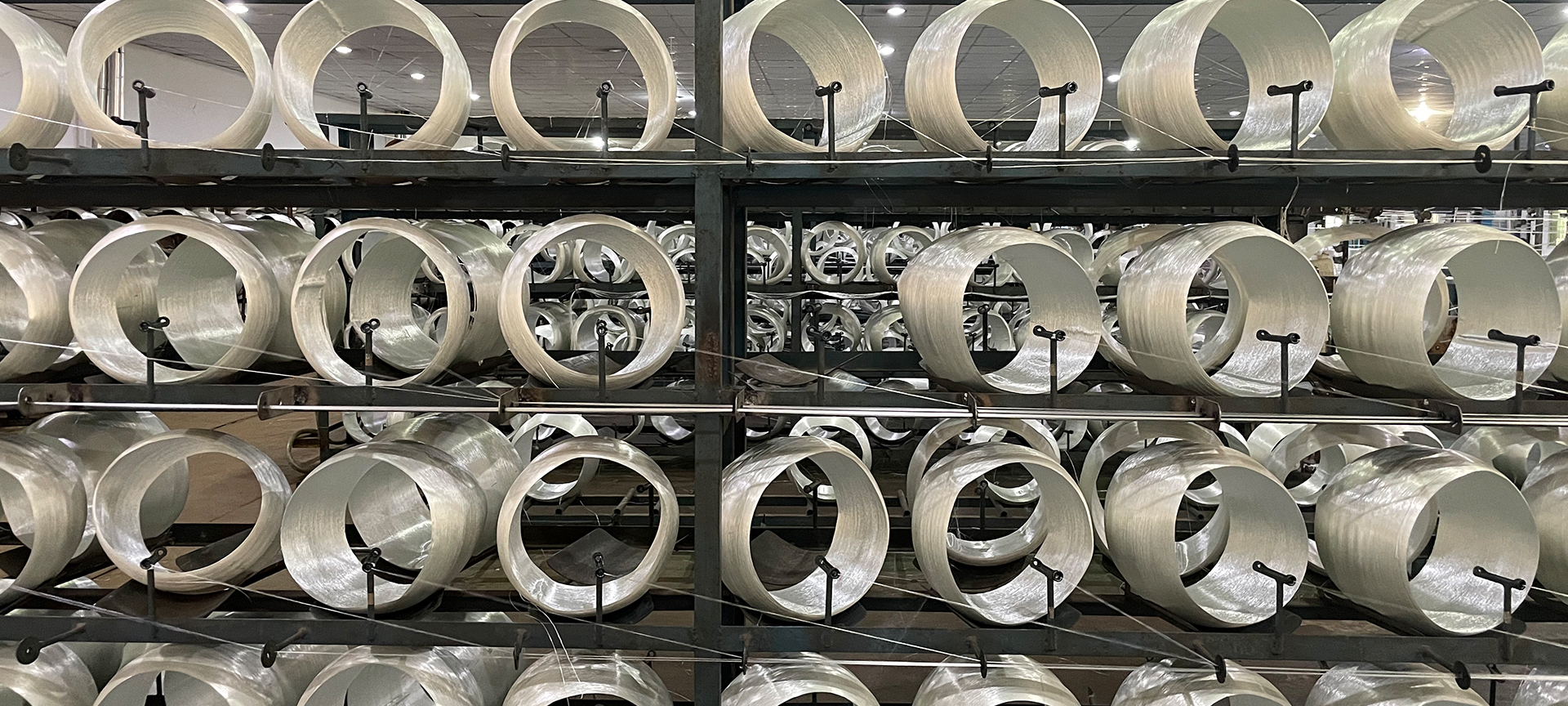
The rebar market is getting more competitive. End clients know more than they used to. Engineers specify more carefully. Project owners ask harder questions about service life and lifecycle cost.
In that environment, the manufacturers who win are the ones who start with better raw materials. Not because it’s a nice story to tell — but because it shows up in the product.
CQDJ fiberglass roving gives GFRP rebar producers a real advantage: consistent tensile performance, corrosion resistance that holds in the field, and processing characteristics that don’t fight your production line. That’s the combination that matters.
Ready to run a trial or request specifications? Contact CQDJ directly.
Visit: www.frp-cqdj.com
Post time: Jun-03-2026


