




Inquiry for Pricelist
For inquiries about our products or pricelist, please leave your email to us and we will be in touch within 24 hours.
CLICK TO SUBMIT AN INQUIRY


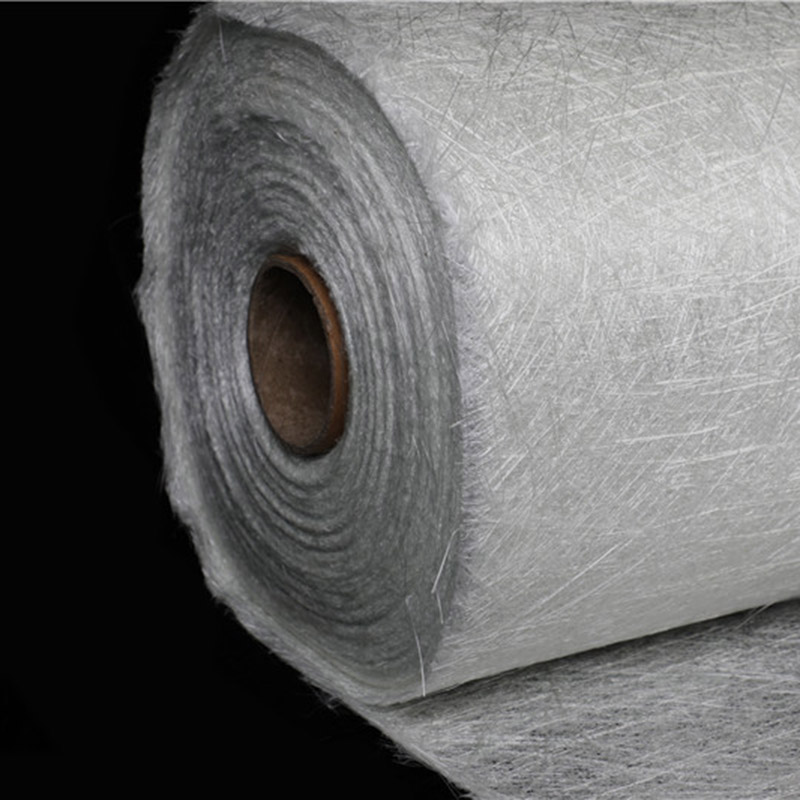
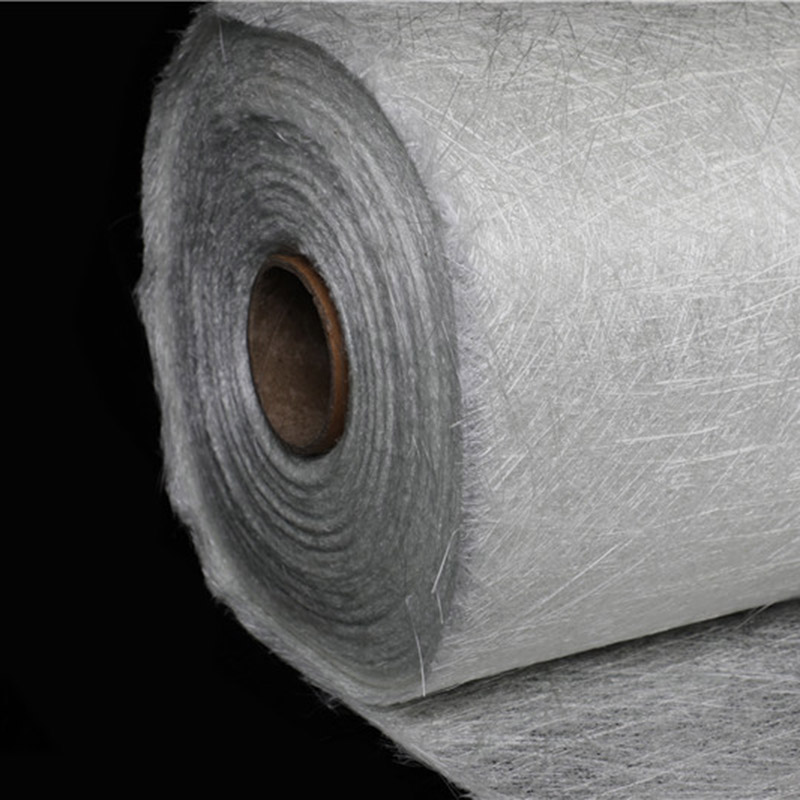
If your continuous operating temperature sits below 650°C, buy E-glass. Full stop. Silica needled mat will do the job beautifully, and you will never see the difference, except in the invoice. The base fiber is high silica with SiO₂ above 96%, drawn and chopped and needled into a felt with no binder at all. It is a better material than E-glass in every measurable way, and it is still the wrong buy under 650C.
The honest test is one number. What does the surface actually run at, measured, on the worst day of the year? Not the burner rating on the nameplate, not what the design drawing claims. If that number is under 650C, I will tell you to save your money. I have lost orders saying that, and I would say it again.
There is a second case for stepping up even when the average is low. Peaks. A line that coasts at 500C and spikes to 1000C during a purge cycle is a 1000C job, and that is exactly when silica needled mat earns its price.
This is the application I push hardest, because the payback is not really about energy. Valves, flanges, steam traps, and turbine casings are all the awkward shapes in a plant that stay uninsulated for years purely because rigid board will not wrap around them.
You cut the mat to a pattern, sew it into a jacket with hook and loop or lacing hooks, and a fitter strips the whole thing in two minutes when the valve needs attention. That is the saving. Maintenance hours, not kilowatts.
A chemical plant I worked with on a steam header took this route on roughly two hundred valves. The insulation paid back in a year, but the number that actually got the project approved was the inspection time, which dropped from most of a shift to a morning. Silica needled mat held up because it took the temperature and because the jackets kept their shape through repeated removal.
Motorcycle downpipes, turbo housings, manifolds, and racing exhausts. The mat gets pulled tight around a tight radius, and it does not tear, because there is no yarn structure to unstitch and no binder to crack. Mechanical needling gives you a felt that behaves a bit like cloth.
Thermal cycling is what kills cheaper wraps here. Heat, cool, heat, cool, all day, and every cycle works the material. A motorcycle parts exporter I supply runs silica needled mat on their whole high-end range now. They moved off a glass wrap with a binder after warranty claims came back with the wrap visibly darkened and brittle. That is binder oxidation, plain as anything.
Untreated silica needled mat shrinks in service. It is not a defect, and it is not a quality slip; it is simply what the fiber does at temperature. What it means in practice is a jacket that fitted perfectly on installation day, showing a gap at the seam a few weeks later, and hot air tracking straight out of that gap.
The fix is pre-shrinking. We heat treat the mat in our own plant before shipping, sized to your actual service temperature, so the movement happens here instead of on your equipment. Pre-shrunk material typically moves one to three percent in service. If the fit matters, and on a jacket it always does, specify pre-shrunk on the purchase order. It is a small line item that decides whether the whole job holds up.
Thickness and service temperature are the two numbers I need before I can price anything. The silica needled mat below is the standard grade, and it ships pre-shrunk unless you tell me otherwise.
Typical Specifications—silica needled mat, 1050C grade
|
Specification |
Value |
|
Glass type |
High silica, SiO₂ ≥96% |
|
Continuous temperature |
1050°C |
|
Short-term peak |
1400℃ |
|
Binder |
None—100% mechanical needling |
|
Thickness |
2–25 mm |
|
Density |
80–220 kg/m³ |
|
Area weight |
1000-1500 gsm |
|
Max roll width |
up to 3000 mm |
|
Roll length |
20m |
|
Heat shrinkage |
1–3% when pre-shrunk; untreated shrinks more |
|
Pre-shrunk treatment |
Available, sized to your service temperature |
|
Thermal conductivity |
0.035 W/(m·K) at 25°C |
|
Color |
White |
|
Flammability |
Non-combustible |
|
Typical applications |
Exhaust wrap, turbo shields, removable insulation jackets, furnace backup, hot zone lining |
|
MOQ |
20m |
If your inspector works to a named standard, name it before we quote, and we will test to that rather than to ours.
Measured service temperature and peak. Thickness, or the finished gap, if you are not sure. Whether the fit is critical enough to pay for pre-shrinking. Rough quantity.
If you are currently running a different material and it failed, tell me how it failed. Half the enquiries I take for silica needled mat turn out to be an installation problem rather than a material one, and I would rather say so than sell you a more expensive felt that fails the same way. Our factory tour page shows the needling line and the pre-shrink oven if you want to see how it is made, and how to choose a fiberglass mat covers the wider selection question.
We work to ISO 9001:2015. Ask for the certificate and test sheet along with the quote.
For inquiries about our products or pricelist, please leave your email to us and we will be in touch within 24 hours.


