


Inquiry for Pricelist
For inquiries about our products or pricelist, please leave your email to us and we will be in touch within 24 hours.
CLICK TO SUBMIT AN INQUIRY


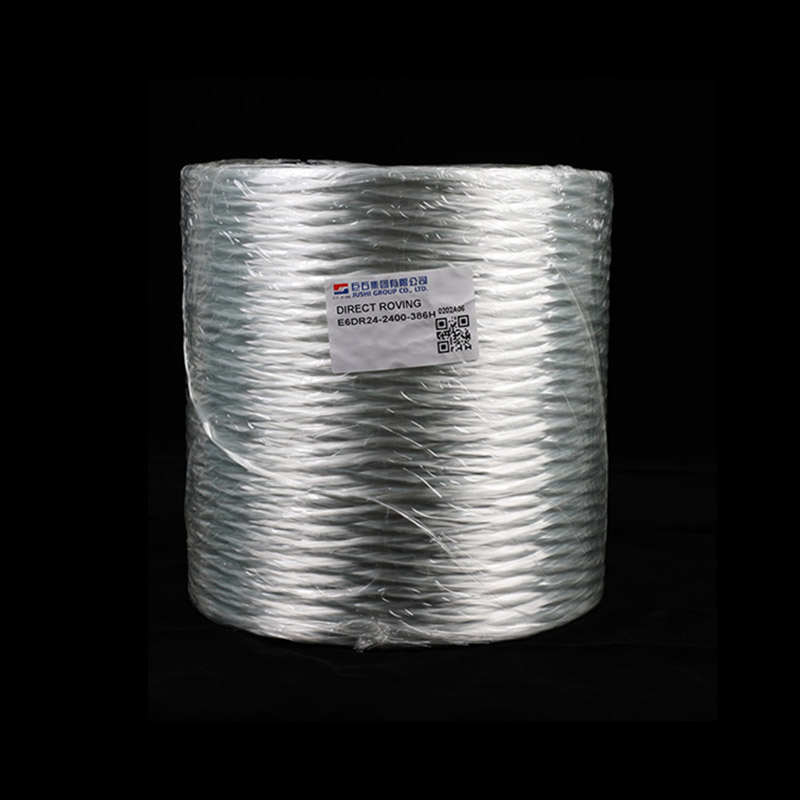


Fiberglass direct roving features:
• Good process performance and low fuzz.
• Compatibility with multiple resin systems.
• Complete and fast wet-out.
• Good mechanical properties.
• Excellent acid corrosion resistance.
• Excellent aging resistance.
We have many types of fiberglass roving: panel roving, spray up roving, SMC roving, direct roving,c glass roving, and fiberglass roving for chopping.
| Linear Density (%) | Moisture Content (%) | Size Content (%) | Breakage Strength (N/Tex ) |
| ISO 1889 | ISO 3344 | ISO 1887 | ISO 3375 |
| ± 5 | ≤ 0.10 | 0.50 ± 0.15 | ≥0.40(≤17um)≥0.35(17~24um)≥0.30(≥24um) |
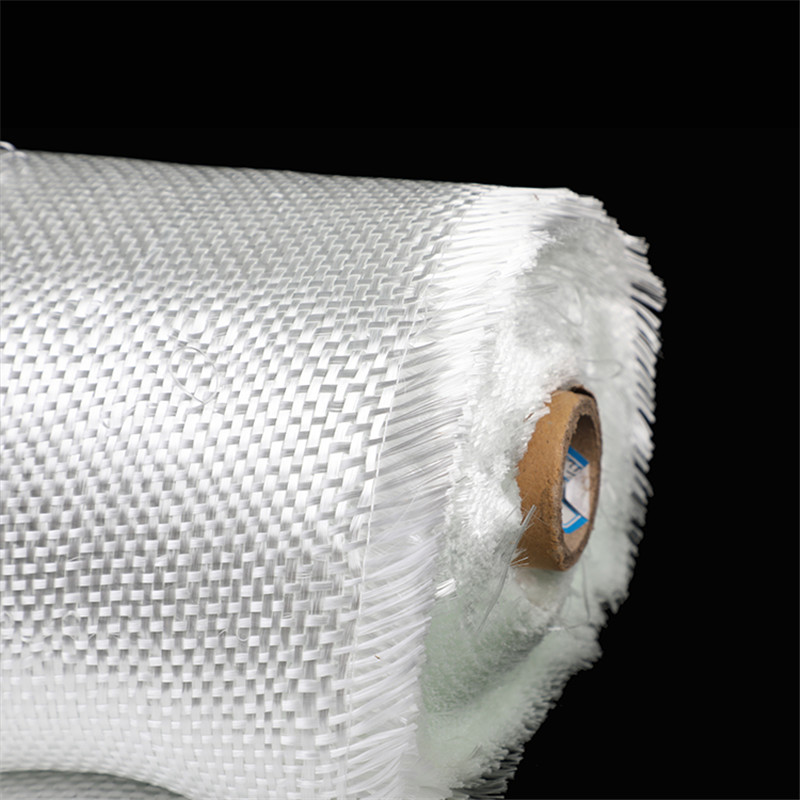
Wide range of applications - suitable for a variety of scenarios, FRP tanks, FRP cooling towers, FRP model props, lighting tile sheds, boats, auto accessories, environmental protection projects, new roofing building materials, bathtubs, etc.
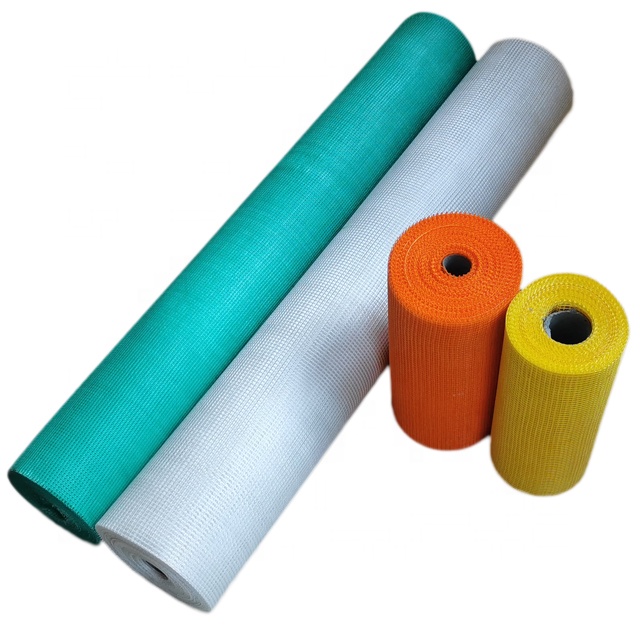
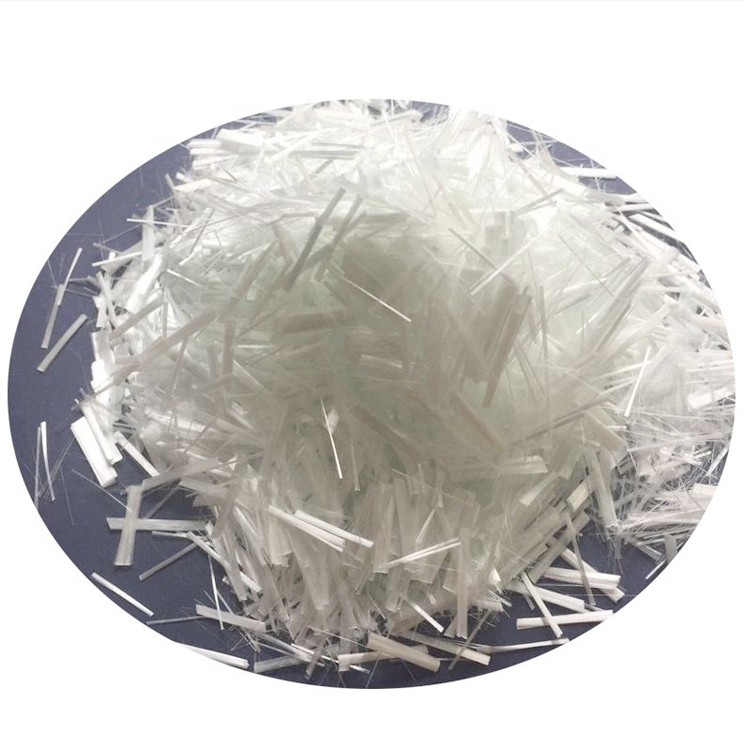
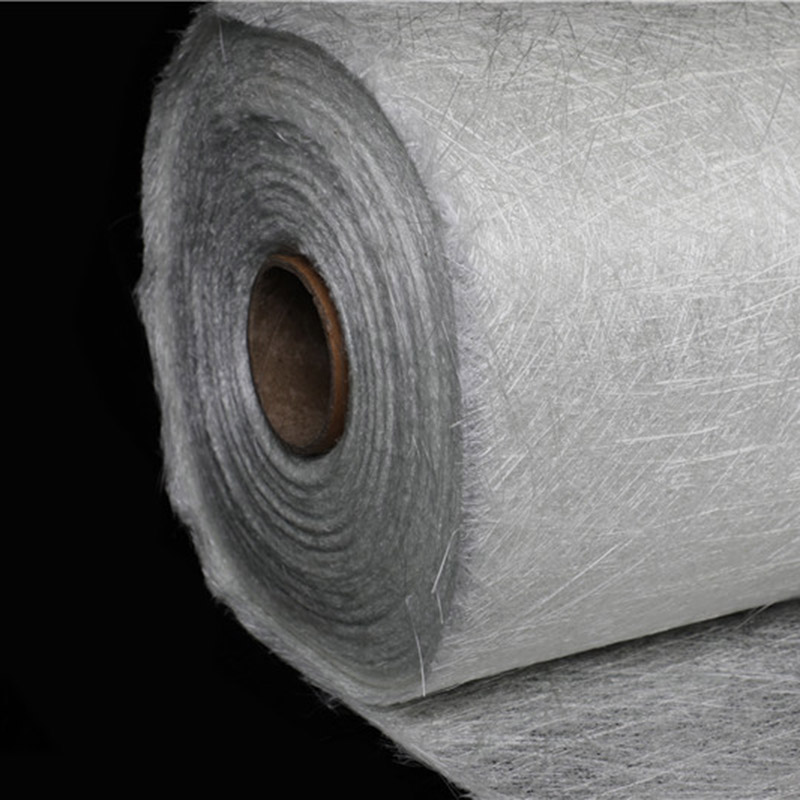
Our fiberglass mats are of several types: fiberglass surface mats, fiberglass chopped strand mats, and continuous fiberglass mats. The chopped strand mat is divided into emulsion and powder glass fiber mats.
• Fiberglass direct roving products should be stored in a dry, cool, moisture-proof place.
• Fiberglass direct roving products should be kept in their original packaging before use. The room temperature and humidity should be kept at -10 °C ~ 35 °C and ≤ 80%, respectively.
• To ensure safety and avoid damaging the product, the stack height of the pallets should not exceed three layers.
• When pallets are stacked into 2 or 3 layers, special attention should be paid to moving the top tray correctly and smoothly
|
Glass Type |
E6 | ||||||
|
Type of Size |
Silane | ||||||
|
Size Code |
386H | ||||||
|
Linear Density (tex) |
300 | 600 | 1200 | 2200 | 2400 | 4800 | 9600 |
|
Filament Diameter (μm) |
13 | 17 | 17 | 23 | 17/24 | 24 | 31 |
| Mechanical Properties |
Unit |
Value |
Resin |
Method |
| Tensile Strength |
MPa |
2765 |
UP |
ASTM D2343 |
| Tensile Modulus |
MPa |
81759 |
UP |
ASTM D2343 |
| Shear strength |
MPa |
2682 |
EP |
ASTM D2343 |
| Tensile Modulus |
MPa |
81473 |
EP |
ASTM D2343 |
| Shear strength |
MPa |
70 |
EP |
ASTM D2344 |
| Shear strength retention (72 hr boiling) |
% |
94 |
EP |
/ |
Memo: The above data are actual experimental values for E6DR24-2400-386H and for reference only
| Package height mm (in) | 260 (10.2) | 260 (10.2) |
| Package inside diameter mm (in) | 160 (6.3) | 160 (6.3) |
| Package outside diameter mm (in) | 275 (10.6) | 310 (12.2) |
| Package weight kg (lb) | 15.6 (34.4) | 22 (48.5) |
| Number of layers | 3 | 4 | 3 | 4 |
| Number of doffs per layer | 16 | 12 | ||
| Number of doffs per pallet | 48 | 64 | 36 | 48 |
| Net weight per pallet kg (lb) | 750 (1653.5) | 1000 (2204.6) | 792 (1746.1) | 1056 (2328.1) |
| Fiberglass direct roving Pallet length mm (in) | 1120 (44.1) | 1270 (50.0) | ||
| Fiberglass direct roving Pallet width mm (in) | 1120 (44.1) | 960 (37.8) | ||
| Fiberglass direct roving Pallet height mm (in) | 940 (37.0) | 1200 (47.2) | 940 (37.0) | 1200 (47.2) |
• Unless otherwise specified, the Fiberglass direct roving should be stored in a dry, cool and moisture-proof area.
• The fiberglass products should remain in their original package until prior to use. The room temperature and humidity should be always maintained at -10℃~35℃ and ≤80% respectively.
• To ensure safety and avoid damage to the product, the pallets should not be stacked more than three layers high.
• When the pallets are stacked in 2 or 3 layers, special care should be taken to correctly and smoothly move the top pallet.
Fiberglass direct roving is not one product. It is a family of tex sizes, sizings, and package types, and picking the wrong one costs you weeks. Most buyers figure this out after their first bad container. The sections below answer the questions our customers ask most, in the order they usually ask them.
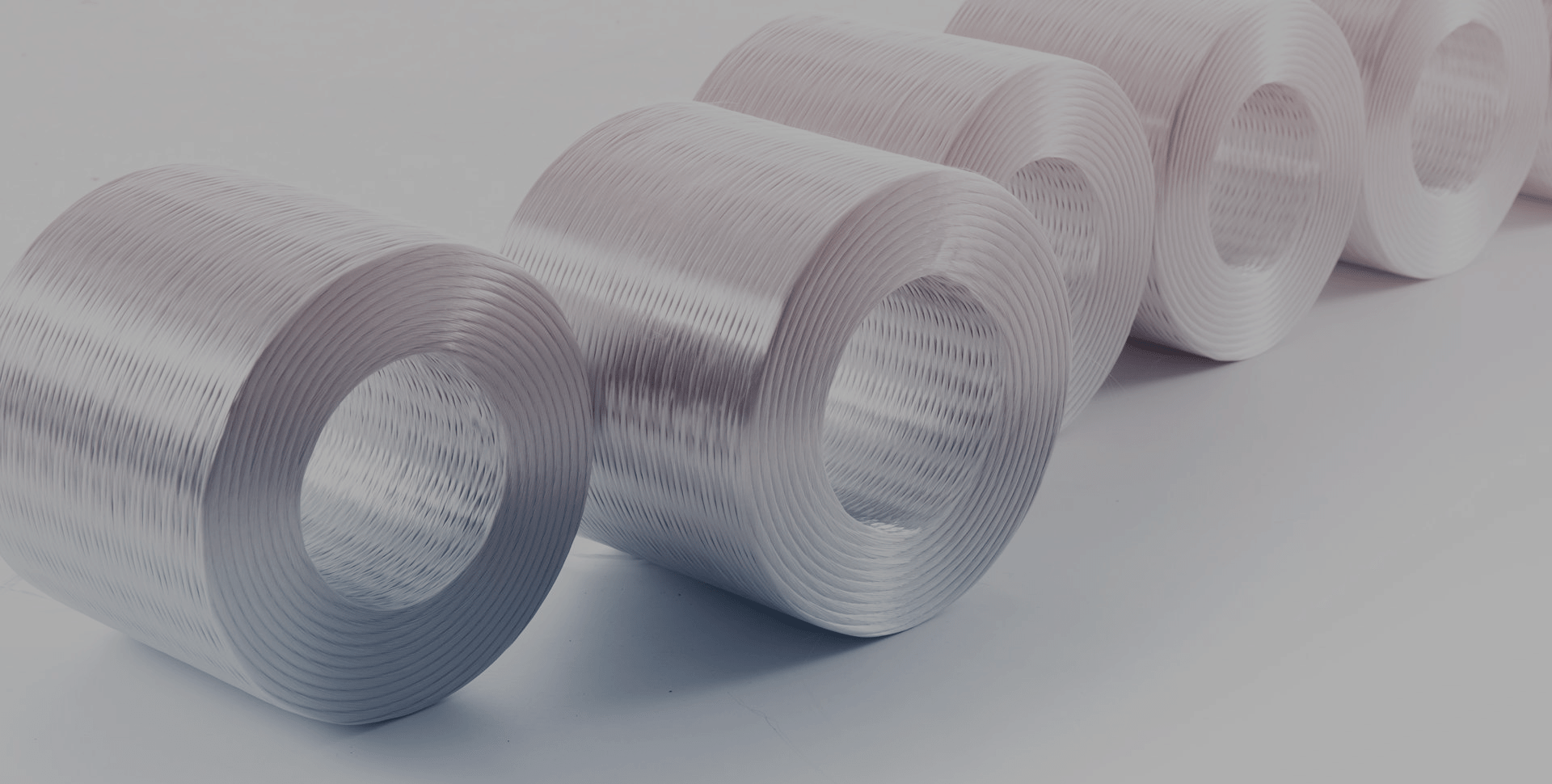
Both products leave the factory looking similar. White packages, cardboard tubes, pallets wrapped in film. The difference is inside the strand. A fiberglass direct roving is one bundle drawn straight from the bushing. An assembled roving is several bundles wound together. That one difference changes how the fiber behaves under tension, how fast it wets out, and what it can do in your process.
We have shipped both for years. For filament winding and pultrusion, we push buyers toward direct roving almost every time. Here is why, in plain numbers.
| Point of comparison | Direct roving (single-end) | Assembled roving (multi-end) |
|---|---|---|
| Strand build | One bundle, drawn straight from the bushing | Two or more bundles combined at winding |
| Tension control | Very stable, one continuous end | Can vary, bundles may slack unevenly |
| Wet-out speed | Faster penetration per filament | Slower, resin must wick between bundles |
| Typical processes | Filament winding, pultrusion, weaving | Spray-up, some winding and SMC lines |
| Fuzz generation | Low on well-maintained creels | Higher at high speed |
| Price per kg | Usually slightly higher | Usually lower |
Cheap roving is never cheap when you count the downtime. A pallet saved is nothing next to a day of stopped production.
Is direct roving the same as single-end roving?
Yes. Fiberglass direct roving is wound as one end straight off the bushing, so every package is a single continuous strand. Assembled roving combines several strands into one package. The terms "direct," "single-end," and "one-bundle" all describe the same thing.
Will fiberglass direct roving work with vinyl ester resin?
It works with polyester, vinyl ester, and epoxy systems, as long as the sizing is matched to the resin family. A silane-based sizing made for unsaturated polyester will not give its best bond in epoxy. Tell your resin supplier and your roving supplier at the same time, and get the sizing code in writing on the order. We also supply vinyl ester resin, so we get asked this weekly.
How long can I store it, and how?
Twelve months is the safe answer, in the original stretch-wrapped packaging, off the floor, away from moisture. Glass fiber itself does not rot, but the sizing on fiberglass direct roving picks up moisture, and the package gets hard to unwind. Keep the pallets dry, and do not open a package until the crate is ready for it.
Can I mix tex sizes in one container?
Usually yes, since most tex sizes come from the same production line with the same sizing. Confirm the mix ratio when you order so the pallet layout is planned, not improvised. It also keeps the container weight legal at the port.
Can we test samples before a full order?
Most serious suppliers will ship a few bobbins for trial. We can provide samples free of charge, but the customer is responsible for the shipping costs. We would rather you run a trial than gamble on a full order, because a buyer who winds a good pipe comes back for years.
For inquiries about our products or pricelist, please leave your email to us and we will be in touch within 24 hours.


